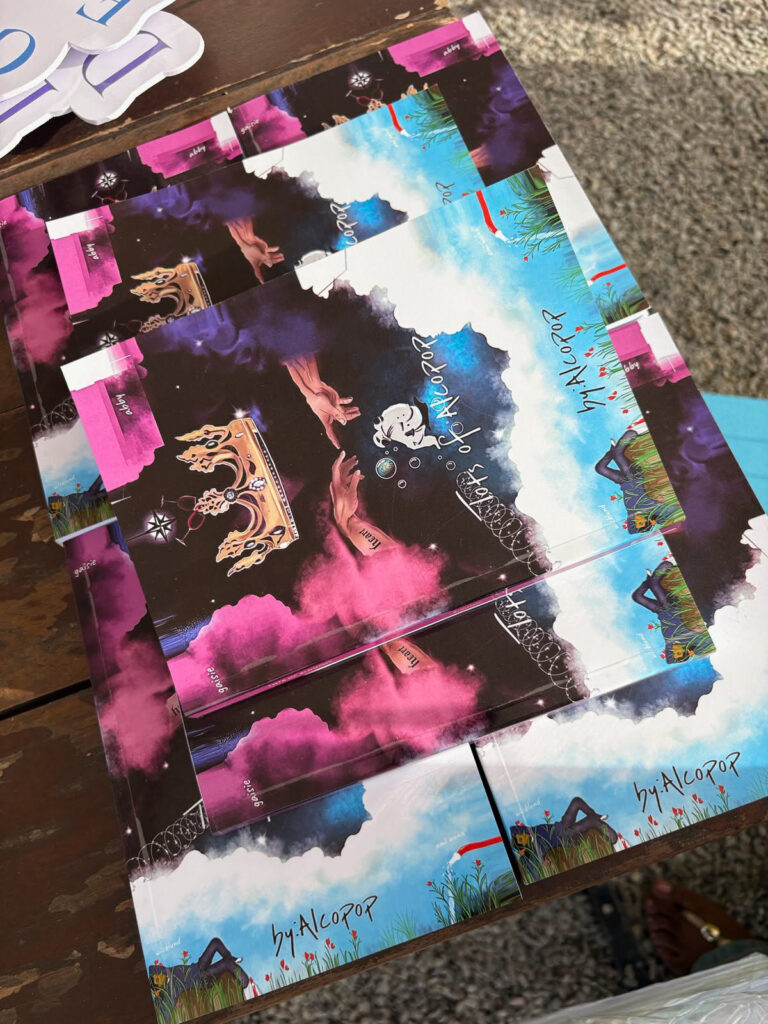
Ghanaian poet Joel Addo, who writes under the pen name Alcopop, has described himself as a non-conformist voice who rejects rigid rules in his craft, particularly in the faith-based poems that form the bulk of his work. In a recent interview, Addo spoke openly about his creative path, the unconventional launch of his book, the influence of carpentry and scripture on his writing, and his hopes for readers and young creatives.
Addo explained that his approach remains deliberately free. “I’d say I am a pretty non-conformist poet, I don’t adhere to any ‘rules’. I don’t restrict my thoughts especially in terms of faith based poems which I wrote mostly. I’m carefree, lax and curious,” he said. The pen name Alcopop, he revealed, came from a dictionary entry he encountered as a teenager.
An alcopop is a low-alcohol fizzy drink; the word simply stayed with him until he needed a distinctive identity for his work.
His journey into writing began without a clear plan. He had always admired how writers could create worlds that readers could imagine and relate to. Carpentry entered his life through his father’s woodwork shop, providing both practical experience and material for later reflection. He began referring to himself as a psalmist after reading how David described himself in scripture.
“I think writing is what I’ve done all this while, working with wood has given me experiences to write about and being a psalmist is as a result of being a writer”
Joel Addo, Poet
He clarified that he does not use the term in a strictly literal sense. By writing and yielding to his faith, he said, he produces work of substance that positions him as a psalmist of sorts.
About the Launch of his Book
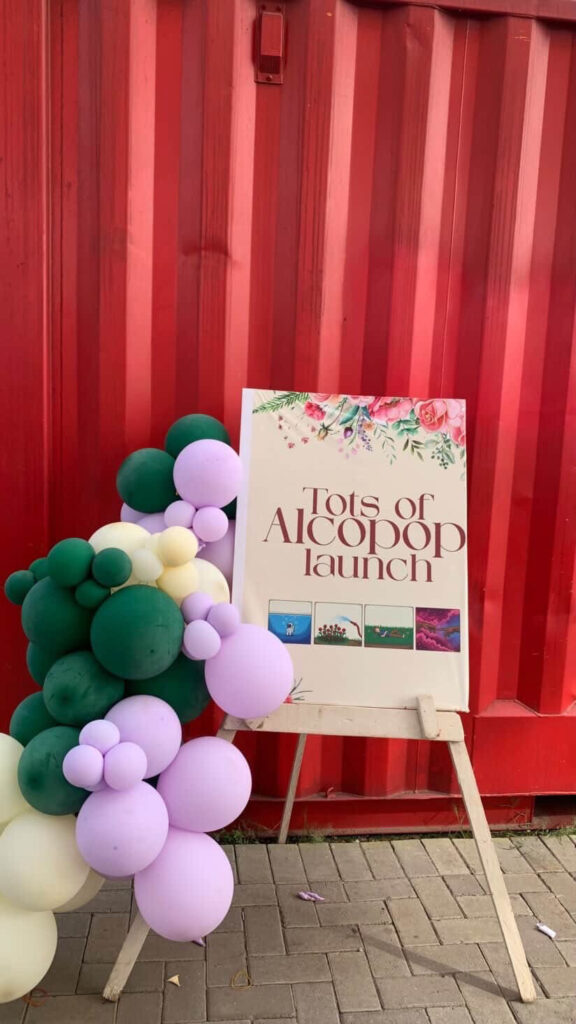
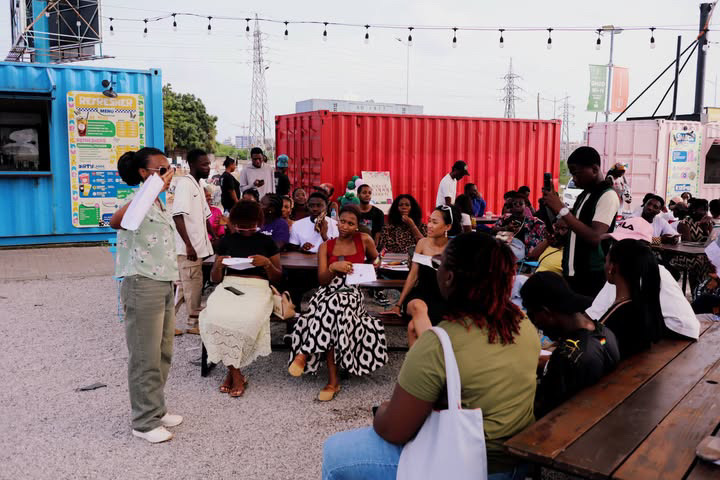
The launch of his book remains one of the most significant moments of his year and life. Held at the GHUD park, the event mixed calm and warmth with moments of chaos caused by external music and sound checks. Faces from school, church and Substack gathered in support. Looking back, Addo described the occasion in deeply personal terms.
Looking back, it feels like God was giving me a befitting send off. I think my launch was a highlight of my year and even in my life. It was quite a milestone for me. It felt like compensation for not graduating properly, it felt like what a wedding would feel like to most people, it felt like the birth of a child. I felt grateful.
One poem that has drawn attention is “Mind,” a piece about God that never names Him. Addo said the poem explores how calm arrives when God is invited. He borrowed elements from the biblical account of Jesus calming the storm and employed musical registers to convey the message. Faith, he explained, often surfaces in his work without deliberate effort.
“My faith is a large part of my life and so it bleeds into my writing. I often end sombre poems on a hopeful note or on a note that hints that God is all we have when all is lost.”
Joel Addo, Poet
Although Addo does not claim that carpentry directly guides his writing technique, he recognises parallels in the processes. Building a wooden unit demands effort, attention to detail and repeated correction, yet the finished product justifies the careful labour. His creative method itself is informal. He is constantly noticing the world around him, gathering material from daily experience.
Ideas frequently arrive while he strolls or showers. He jots down drafts immediately and returns to them once the thoughts have matured. Writing daily forms the closest thing he has to a structured process.
Reflection of tf the Origin of His Stories
Addo has also reflected on the value of origin stories. He used one to announce his book while explaining how he became a serious writer. Such narratives, he believes, provide essential background. They show that people do not simply appear fully formed; they pass through experiences that shape them for better or worse. Origin stories create space for understanding and, at times, empathy.
His literary influences stretch from childhood favourites such as Jeff Kinney, Roald Dahl and Francesca Simon to contemporary poets like Miles Carter, alongside the New King James Version of the scriptures. Building an audience has presented practical challenges.
Addo admitted he struggles to keep his writing accounts separate from other creative outlets, a lack of organisation that sometimes confuses potential readers. He also wrestles with the tension between the fear that others might use his work without credit and the necessity of sharing it in order to grow an audience.
What he hopes for most from readers is engagement that goes beyond the page. He wants them to envision the scenes he creates, feel the emotions he conveys and, at times, pause to think.
More than that, he wants his writing to grant people permission to step outside everyday social moulds, to let their imaginations run freely, to question majority claims and to dream beyond the limits of the senses.
Ultimately, he wants readers to recognise the importance of writing itself.
Looking Ahead
Looking ahead, Addo has several projects in the pipeline, including more poetry and a debut novel, though he confessed to periods of laziness that he now intends to overcome. His advice to young creatives is direct and encouraging.
“The time to start is now, practice, have fun with it. Start poorly, start for yourself”
Joel Addo, Poet
He added that not everyone will like the work at first, but writers eventually find their people. The journey begins roughly, smooths out for a time, then grows rough again in unexpected ways. Those who love the process, he said, will continue regardless.
Through his refusal of rigid forms, his blending of everyday observation with faith, and his willingness to share both milestones and struggles, Joel Addo presents a portrait of a poet still actively shaping his voice while inviting others to do the same.
READ ALSO: MoE Appeals to TUTAG, GAUA to End Strike