The World Health Organization (WHO) is supporting Kenya’s efforts to contain Ebola after the country confirmed a second case of the Bundibugyo virus.
The latest patient, a 39-year-old man, is a close relative of Kenya’s first confirmed case, a businessman who passed away in hospital after travelling from the DRC through Uganda.
The second patient was already in quarantine when he developed symptoms, allowing health authorities to identify the infection among people being monitored for possible exposure.
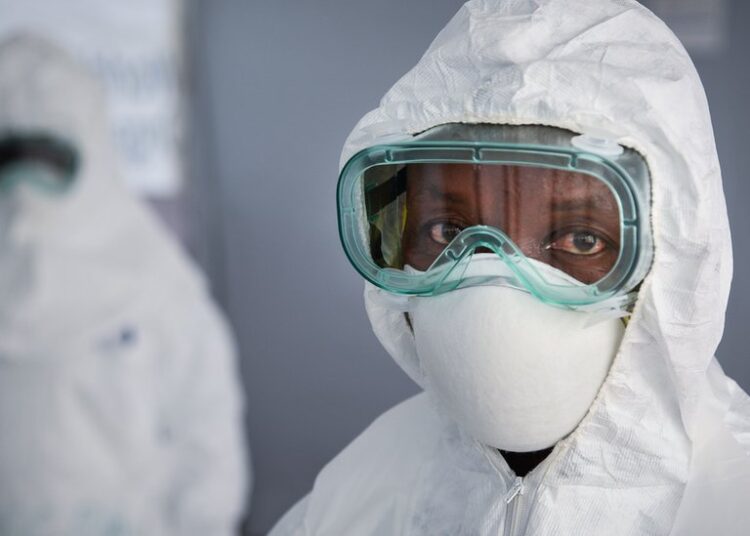
According to WHO Representative in Kenya, Dr Neema Rusibamayila Kimambo, the agency is working with the government to strengthen containment measures, including quarantine, infection prevention and control, and the identification of people who may have been exposed.
“With more than one case, it is not just about the Government; it is not about partners. It is about everybody.”
Dr Neema Rusibamayila Kimambo
Kenya Expands Contact Tracing After Second Case
Meanwhile, Kenyan health authorities have intensified contact tracing following the death of the country’s first Ebola patient, whose movements across several countries complicated efforts to identify potential exposures.
According to Dr Kimambo, more than 40 contacts were identified, including airline passengers and crew, aircraft cleaners, airport workers, baggage handlers, immigration officials, healthcare personnel and family members.
Most of those identified have been placed in quarantine, while a small number of people considered to be at lower risk are self-quarantining under monitoring arrangements. Authorities are also attempting to locate six passengers who have proved difficult to reach because they use foreign telephone numbers.
The second case emerged from this contact-tracing exercise. Kenya’s Ministry of Health noted that early detection had improved the chances of managing the second case and reduced the risk of further transmission.
“Both cases are linked, and there is no evidence of spread in the wider community,” the Ministry stated.
The development comes as the DRC continues to battle a deadly outbreak of the Bundibugyo species of Ebola, which was declared in May 2026. The outbreak has also raised regional concerns because of the movement of people across borders.
Uganda, which recorded two Ebola-related deaths during its own episode, was declared free of the disease by WHO in August.
WHO Strengthens Preparedness and Infection Control
WHO and the Kenyan government had begun strengthening Ebola preparedness before the first case was confirmed, following the declaration of the outbreak in the DRC.
The response has since expanded to include surveillance, contact tracing, case management and infection prevention and control measures, particularly in quarantine facilities.
According to Dr Kimambo, WHO had deployed a senior incident manager who previously participated in Uganda’s Ebola response, alongside other technical experts supporting the Kenyan authorities.
“We are building on the work that we started during the preparedness phase, so case management and IPC (infection prevention and control) are critical at this time in the quarantine centres.”
Dr Neema Rusibamayila Kimambo
The UN agency has also provided approximately US$70,000 worth of supplies, including infection prevention and control materials and laboratory equipment, since Kenya identified its first case.
More than 4,000 health workers have received training, including personnel responsible for screening travellers at ports of entry.
The measures are intended to improve the country’s ability to detect suspected cases, manage infected patients safely and prevent transmission within healthcare facilities and affected communities.
Kenya Keeps Borders Open as WHO Urges Public Vigilance
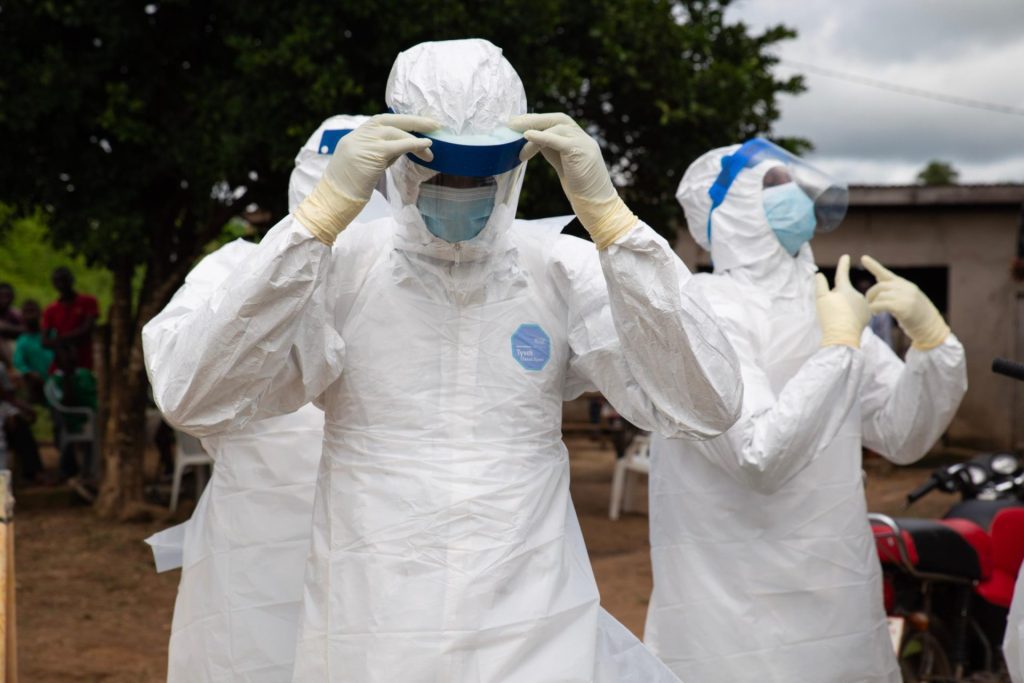
Despite the confirmed cases, WHO noted that there is no current need to impose travel restrictions or close national borders, stressing that appropriate screening and public health surveillance remain essential to containing the outbreak.
The Kenyan government has similarly maintained that travel, trade and public gatherings can continue, while health authorities monitor contacts and strengthen measures to detect further infections.
Dr Kimambo urged the public not to panic, emphasising that the cases remain linked and that there is no evidence of community transmission.
“I think one is not to over-panic and be very fearful because we do not have community spread. But two, let us be responsible. Whoever is sick, let’s make sure we go to a health facility and get care. And also, let us ensure that we take IPC measures.”
Dr Neema Rusibamayila Kimambo
With almost 4,000 deaths confirmed this year in what has been called the second-deadliest known Ebola outbreak to date, the advice comes amid increased alarm over the scope of the outbreak in the Democratic Republic of the Congo.
READ ALSO: OPEC Sees African Oil Demand Nearly Doubling By 2050