Ghana International Bank (GHIB) is intensifying its search for capital from Asia as the continent emerges as a potentially powerful source of financing for Africa’s infrastructure development, agricultural expansion and broader economic transformation.
The London-based bank, which is majority-owned by the Bank of Ghana, is looking to deepen its relationships with Asian investors, positioning itself to connect African markets with international pools of institutional capital.
The strategy comes at a time when African economies are seeking alternative financing arrangements to fund critical infrastructure, support businesses and reduce their dependence on traditional sources of external borrowing.
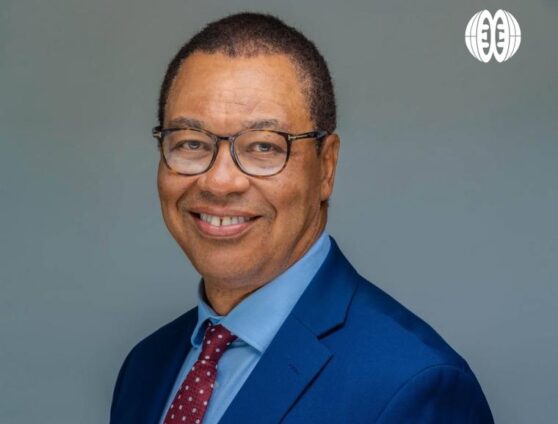
GHIB Chief Executive Officer Ian Greenstreet believes Asia has the financial resources and investment capacity to play a more significant role in meeting the continent’s development needs.
His comments point to a growing interest in strengthening financial relationships between Africa and Asia, particularly as investors explore opportunities in infrastructure, trade and agricultural production.
GHIB Turns to Asia for Africa’s Next Wave of Capital
The bank’s interest in Asia reflects the region’s capacity to mobilise substantial institutional savings and direct them towards productive investments.
Speaking to Reuters, Greenstreet described Asia as “very complementary to some of Africa’s needs”, highlighting the potential for Asian capital to support projects that require long-term financing.
Infrastructure development remains one of Africa’s most pressing investment priorities. Roads, railways, energy systems, ports and industrial facilities require substantial funding, often beyond what governments and domestic financial markets can provide independently.
Asian institutional investors could help bridge some of these financing gaps by directing capital towards commercially viable projects across the continent.
GHIB hopes to strengthen its position within this evolving relationship by using its expertise in corporate and institutional banking, trade finance and treasury services to connect African businesses with international investors.
The bank’s London base also places it within the global financial system, giving it a platform to facilitate transactions between African markets and overseas capital providers.
However, attracting such investment will depend on the availability of credible projects, appropriate risk-management structures and returns that meet investors’ expectations.
China Emerges as a Critical Market
China stands out as one of the most important markets in GHIB’s strategy.
Greenstreet described the country as an “extremely important” market, underlining its significance in the bank’s efforts to attract Asian capital into Africa.
China has established extensive commercial relationships across the continent, including in infrastructure, manufacturing, mining, energy and trade. Its economic relationship with Africa has also created opportunities for financial institutions that can facilitate transactions between businesses operating in both markets.
GHIB’s strategy could help strengthen these connections by supporting companies seeking financing, managing international payments and accessing trade-related financial services.
The opportunity extends beyond major infrastructure projects. African exporters, agricultural businesses and companies involved in regional supply chains could also benefit from improved access to international financing.
Nevertheless, converting interest from Asian investors into actual capital commitments will require careful consideration of commercial risks, currency movements, political developments and the financial sustainability of individual projects.
For Ghana, stronger financial connections with Asian investors could create opportunities to attract funding into productive sectors and expand the country’s participation in international trade.
Cocoa Financing Shift Raises Questions About International Capital
GHIB’s ambitions are unfolding against a changing background for African commodity financing, particularly in Ghana’s cocoa sector.
The Ghana Cocoa Board’s domestic debt issuance this month marked a departure from the decades-old syndicated loan arrangement involving international banks that the institution had traditionally relied upon.
The shift highlights the importance of developing alternative financing channels and strengthening domestic capital markets.
However, the changing arrangement does not necessarily eliminate the need for international funding.
Greenstreet indicated that international capital would continue to have a role, suggesting that traditional financing relationships could evolve rather than disappear entirely.
This distinction is important for Ghana’s financial system. Domestic funding can deepen local markets and reduce reliance on particular external borrowing structures, while international investors can provide additional resources, specialised financial services and access to broader capital pools.
The challenge is finding an appropriate balance between domestic financing capacity and foreign investment.
GHIB’s approach appears to recognise that Africa’s financing requirements are too substantial to depend on a single source of capital. A broader network of investors could provide greater flexibility as businesses and governments pursue different development priorities.
Beyond Cocoa, GHIB Eyes Agricultural Opportunities
The bank is also looking beyond cocoa as it seeks to expand agricultural financing across Africa.
Greenstreet said GHIB plans to scale up financing for crops beyond cocoa, including cotton.
The proposed expansion could broaden the bank’s involvement in agricultural supply chains and create opportunities to support businesses operating in different commodity markets.
Agriculture remains central to employment, export earnings and rural economic activity across much of Africa. Yet producers and businesses frequently face financing constraints that limit their ability to invest in equipment, improve productivity, expand processing capacity and reach international markets.
Financing arrangements that support agricultural production and trade could help address some of these challenges.
Cotton, for instance, supports value chains that extend from farming and processing to textiles and manufacturing. Better access to finance could help businesses across these activities strengthen their operations and participate more effectively in international trade.
However, agricultural financing also carries risks, including unpredictable weather, fluctuating commodity prices, supply disruptions and changing global demand.
Expanding into additional crops would therefore require GHIB to assess the commercial conditions of each market and structure financing around the needs and risks of individual businesses.
Ghana’s Opportunity in the Changing Finance Landscape
GHIB’s strategy presents a potential opportunity for Ghana to strengthen its financial connections with Asia while supporting investment across African markets.
As a bank majority-owned by the Bank of Ghana, GHIB occupies a distinctive position in the international financial system. Its ability to connect businesses with institutional investors could help open additional channels for trade and investment.
Still, attracting Asian capital will require more than establishing relationships. Investors must find commercially attractive opportunities supported by credible financial structures and reliable repayment prospects.
Ghana’s ability to benefit will also depend on whether international financing reaches productive businesses, supports exports and contributes to sustainable economic activity.
GHIB’s renewed interest in Asia signals an effort to broaden the sources of capital available to African markets. Its success will ultimately depend on turning investor interest into financing that delivers measurable commercial and economic benefits.
As the bank pursues opportunities in China and other Asian markets, its strategy could help strengthen Africa’s access to international capital while expanding financing beyond traditional commodity arrangements.
READ ALSO: