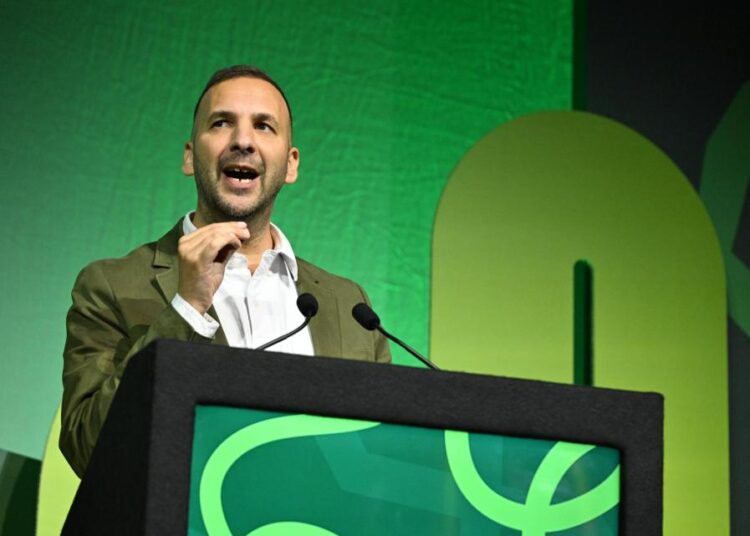
Green Party leader Zack Polanski has recorded his lowest-ever favourability rating, with growing public criticism and internal divisions over the party’s motion describing Zionism as “racism” compounding the political fallout from his defeat in the Holborn and St Pancras by-election.
An October Ipsos survey found that Polanski’s net favourability rating had fallen to minus 36, making him the least popular national party leader among those assessed.
The poll found that 52% of respondents held an unfavourable view of him, representing a six-percentage-point increase from September, while only 16% expressed a favourable opinion.
The findings mark the first time that more than half of the public surveyed have expressed a negative view of the Green Party leader, whose standing has deteriorated amid criticism from party members, controversy surrounding the conference motion and setbacks in his party’s relationship with Labour.
The survey also points to a decline in support among younger voters and people who previously backed Labour, raising questions about Polanski’s ability to maintain the coalition of support that helped strengthen the Greens’ political appeal.
Zionism Motion Triggers Leadership Criticism and Party Divisions
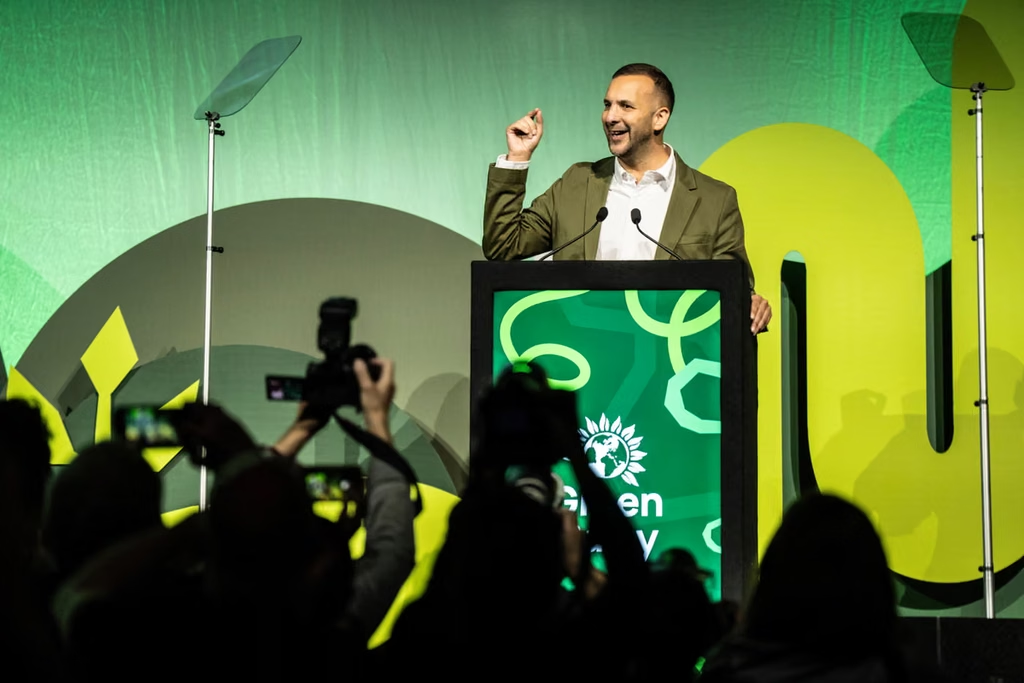
Zack Polanski’s declining popularity comes amid mounting criticism following the Green Party conference in Brighton, where approximately 1,000 members voted in favour of a motion describing Zionism as “racism” compared with around 800 opposed to it.
The decision has exposed divisions within the party, with senior figures questioning Polanski’s leadership and his handling of the controversy.
The Green Party leader did not participate in the vote and subsequently sought to distance himself from the decision, indicating earlier that he would have supported only an amended version of the motion.
Vivien Lichtenstein, leader of the Jewish Greens, has called on Polanski to resign, arguing that his failure to attend a debate on the motion represented a “big mistake.”
She has also indicated that she is considering leaving the party.
Former Green Party leader Caroline Lucas has criticised Polanski’s handling of the situation, describing it as a failure of leadership, while another senior party figure reportedly disclosed that the circumstances had become “untenable.”
By-election Defeat Deepens Electoral Setback
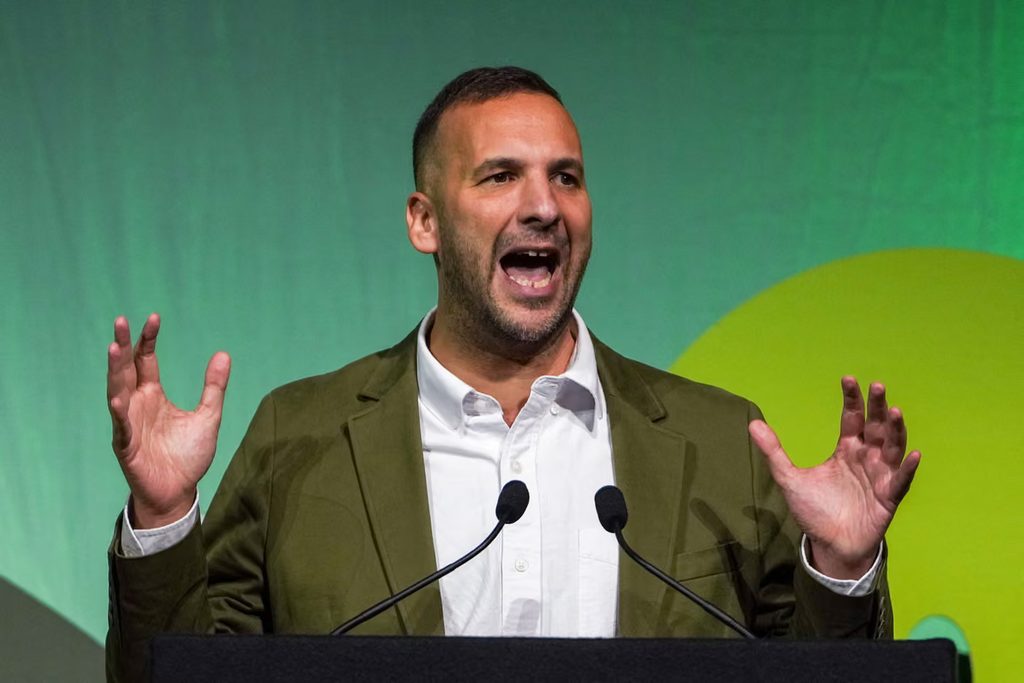
The controversy surrounding the conference motion has coincided with another setback for Polanski following his defeat in the Holborn and St Pancras by-election.
Conducted in the immediate aftermath of the by-election, the Ipsos survey suggested that the electoral loss had contributed to a difficult period for the Green Party leader, whose popularity has fallen across several voter groups.
Among people aged under 35, Polanski’s net favourability rating declined from plus 16 in April to plus two in October. His standing among people who voted Labour in the 2024 general election also deteriorated sharply, falling from plus seven to minus 24 over the same period.
The developments have also strained relations between Labour and Green groups involved in local governing coalitions. Labour has issued an ultimatum to local Green groups with which it shares power, demanding that they disown the conference motion or risk losing Labour’s support.
The dispute introduces a further challenge for the Greens, as disagreements over the motion threaten cooperation at the local level while the party faces declining public confidence in its national leadership.
Keiran Pedley, UK Director of Politics at Ipsos, noted that the public had registered what had been a “bruising month” for Polanski, reflecting the combined impact of the controversy and his by-election defeat.
Burnham Leads Political Favourability Ratings
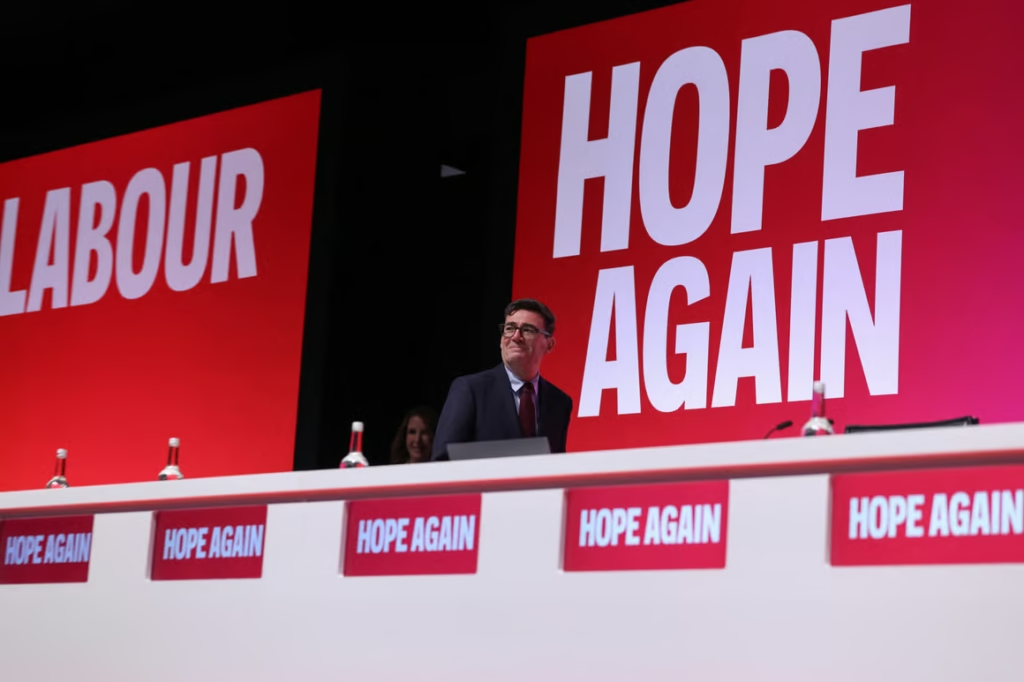
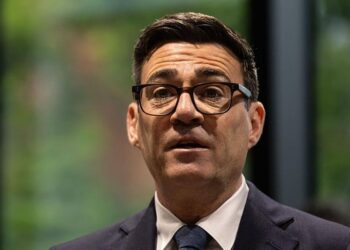
The Ipsos findings also provide a wider picture of public attitudes towards senior British politicians, with UK Prime Minister and Labour Party Leader, Andy Burnham emerging as the only senior UK political figure assessed with an overall positive net favourability rating.
Conservative leader Kemi Badenoch stood at minus 12 and Liberal Democrat leader Sir Ed Davey at minus 15.
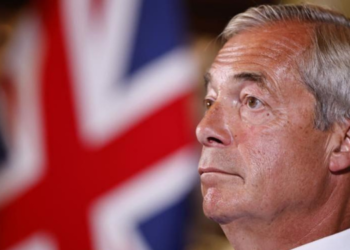
Reform UK leader Nigel Farage recorded a net rating of minus 31, with 56% of respondents expressing an unfavourable view of him.
Despite the negative assessment, Polanski’s minus 36 rating placed him below the other national party leaders included in the comparison.
According to Pedley, Burnham appeared to be gaining ground in the contest for support on the political left, noting that people who voted Green in 2024 were almost as positive towards Andy Burnham as they were towards Zack Polanski himself.
READ ALSO: Barcelona Thump Betis to Extend Winning Streak to 11 Games