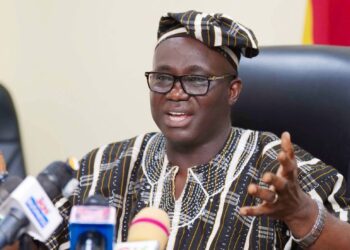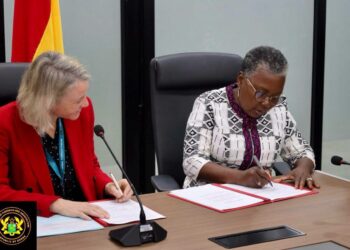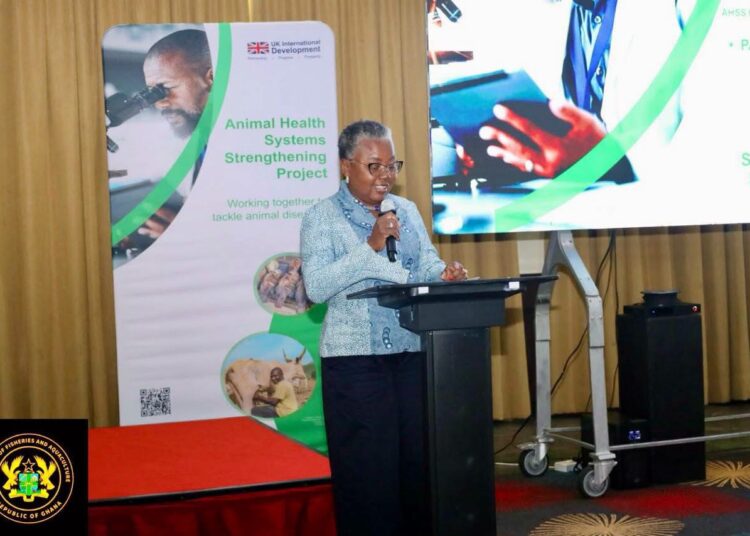
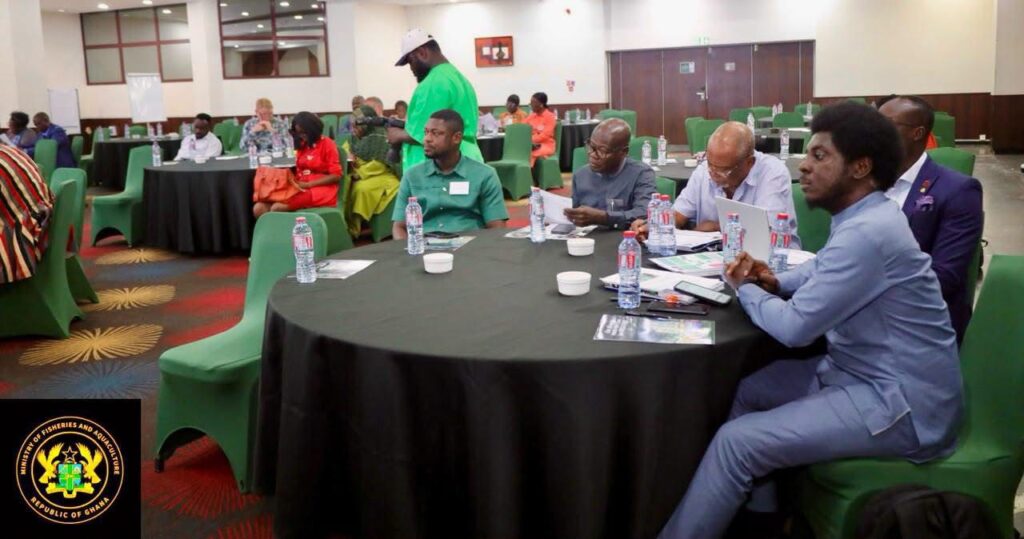
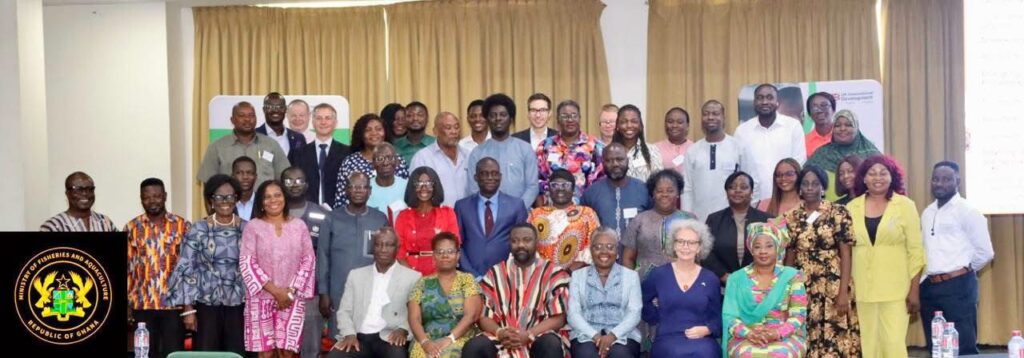
The Minister for Fisheries and Aquaculture, Hon. Emelia Arthur, during the programme’s Project Closure, Learning and Celebration Event at Alisa Hotel in Accra.
Hon. Arthur, urged Ghanaians to strengthen disease surveillance, emergency preparedness and biosecurity in aquaculture to protect fish production, safeguard livelihoods and sustain improvements achieved under the Animal Health Systems Strengthening (AHSS) Programme.
The event brought together stakeholders to assess the programme’s achievements, examine lessons from its implementation and identify measures to preserve its contribution to Ghana’s animal health systems beyond the project period.
The discussions focused on institutional capacity, sustainable financing and stronger coordination among fisheries authorities, veterinary services, laboratories, research institutions and border agencies.
The programme has strengthened the capacity of fisheries officers, veterinarians and laboratory personnel to detect, investigate and respond to animal health threats, including Infectious Spleen and Kidney Necrosis Virus (ISKNV) and Epizootic Ulcerative Syndrome (EUS).
In her keynote address, Hon. Arthur emphasised that the end of the project must translate into greater national responsibility for maintaining the systems and expertise developed through the intervention.
”Ghana must sustain the gains made under the programme by strengthening disease surveillance, improving emergency response and integrating biosecurity into aquaculture development.”
Minister for Fisheries and Aquaculture, Hon. Emelia Arthur
Disease Prevention and Production Security
The need to maintain these improvements reflects the economic importance of healthy aquatic animal populations. Disease outbreaks can cause fish mortality, reduce farm productivity, increase production costs and undermine farmers’ incomes.
According to the Food and Agriculture Organization of the United Nations (FAO), global aquaculture production reached 142 million tonnes in 2022 when aquatic animals and algae were combined.
Aquaculture subsequently produced approximately 103 million tonnes of aquatic animals in 2024, demonstrating the sector’s expanding role in global food production. Ghana was among Africa’s aquaculture-producing countries, recording approximately 121,810 tonnes in 2024, according to FAO-derived production statistics.
These figures highlight the growing importance of protecting farmed aquatic animals from preventable diseases.
The FAO identifies weak biosecurity, inadequate disease management, intensive farming practices and the movement of aquatic organisms among factors that can increase disease risks in aquaculture.
An effective surveillance and early detection help authorities identify emerging threats, investigate suspected outbreaks and implement appropriate control measures before diseases spread further.
The minister highlighted the importance of maintaining the technical capacity developed through the AHSS Programme, particularly in identifying and responding to diseases that threaten aquatic production.
”The capacity developed among fisheries officers, veterinarians and laboratory personnel must translate into effective disease detection, investigation and response.”
Minister for Fisheries and Aquaculture, Hon. Emelia Arthur
Financing and Institutional Coordination
A major concern emerging from the closure event was how Ghana would finance and institutionalise the programme’s achievements after external project support ends.
Hon. Arthur called for sustained funding and closer collaboration between fisheries authorities, veterinary services, laboratories, research institutions and border agencies. She also stressed the need to incorporate the skills and procedures developed under the programme into institutional work plans and budgets.
This approach would help move disease surveillance and biosecurity from project-supported activities into routine public-sector operations. It would also strengthen accountability by giving institutions defined responsibilities for maintaining surveillance systems, conducting investigations and coordinating emergency responses.
The FAO’s approach to aquatic health management similarly emphasises prevention, risk assessment, institutional capacity and collaboration across the aquaculture value chain. Its guidance recognises that effective biosecurity requires coordinated action rather than isolated interventions by individual institutions.
The minister also acknowledged the contributions of the United Kingdom Government, the Department for Environment, Food and Rural Affairs (Defra), the Centre for Environment, Fisheries and Aquaculture Science (Cefas) and other implementing partners.
Their support formed part of the broader effort to strengthen animal health systems through technical cooperation and capacity development. The next challenge is to ensure that national institutions retain the expertise and operational arrangements established through the partnership.
”The programme’s closure must mark Ghana’s commitment to taking ownership of its achievements and ensuring lasting improvements in aquatic animal health.”
Minister for Fisheries and Aquaculture, Hon. Emelia Arthur
Roadmap for Sustaining Progress
The AHSS National Lead, Dr. William Adu, reinforced the need for a clear roadmap and a sustainable plan to preserve the programme’s gains beyond its closure.
A practical roadmap would require institutions to identify priority disease threats, establish clear reporting and response procedures, allocate adequate resources and regularly assess the effectiveness of surveillance and biosecurity measures.
It would also need to clarify responsibilities across participating agencies to minimise delays when suspected outbreaks occur.
Monitoring will be important in determining whether the programme’s achievements translate into lasting improvements.
Relevant indicators could include the timeliness of disease reporting, the number of investigations completed, laboratory diagnostic capacity, staff readiness and the consistency of biosecurity implementation.
Such measures would help institutions identify gaps and direct limited resources towards the areas of greatest risk.
Dr. Adu’s call for sustainable planning therefore places institutional continuity at the centre of the post-project agenda.
”A clear roadmap and a sustainable plan are needed to strengthen animal health systems and maintain the programme’s gains beyond its closure.”
AHSS National Lead, Dr. William Adu
The event ultimately underscored that the long-term value of the AHSS Programme will depend on Ghana’s ability to integrate its achievements into national systems rather than allow them to diminish when project activities end.
READ ALSO:IMF Warns Ghana to Rebuild Enough Investor Confidence Before Eurobond Market Comeback