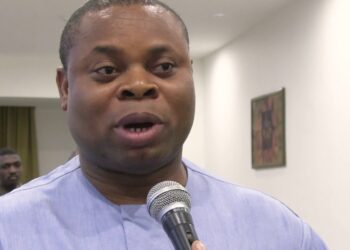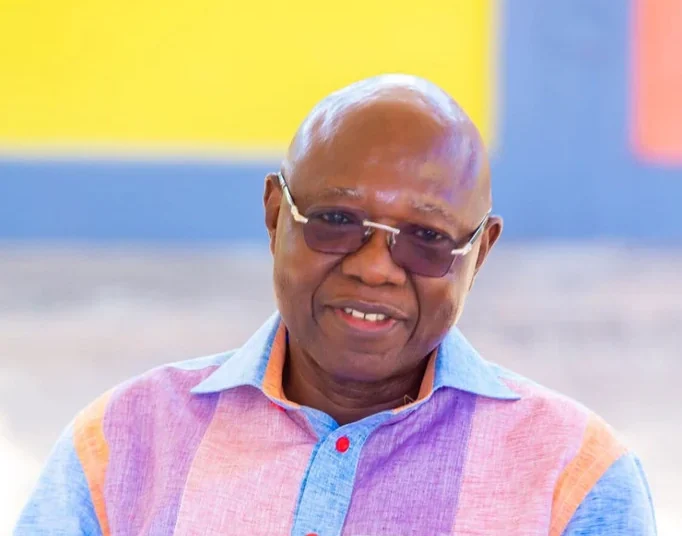
Aspiring National Chairman of the National Democratic Congress (NDC), Akwasi Oppong-Fosu has called for a comprehensive national framework for responsible mining, urging the government to establish clear guidelines that protect the environment and ensure mining activities are properly regulated.
The Former Amenfi East MP backed restrictions on mining in water bodies and forest reserves, as well as the proposed cooperative mining framework, describing these measures as important steps towards addressing illegal mining. He stressed, however, the need for a coordinated approach that balances enforcement with the economic realities of mining communities.
“I think that, as a country, we need to have a serious conversation about this. It has happened in other countries before. In the United States, for instance, some states experienced gold booms and managed their resources in ways that allowed them to invest in alternative economic activities over time. We need to examine these experiences and consider how we can use our own natural resources to diversify the economy and build sustainable alternatives for the future.”
Akwasi Oppong-Fosu
He further emphasised the importance of developing a national policy that promotes responsible mining, strengthens environmental safeguards and provides a clear basis for regulating mining activities across the country.
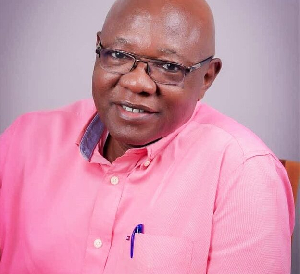
Acknowledging that many people depend on mining to feed their families and sustain their livelihoods, the former Local Government Minister reiterated that economic survival should not come at the expense of the environment. He stressed that “mining should be permitted only within limits that prevent further harm.”
“There should also be responsible mining within the framework that does not affect present and future generations,” he explained, setting out the principle that should guide decisions on the activity. Mr Oppong-Fosu also acknowledged that galamsey in affected communities involves widespread local participation, making the challenge more complex than simply restricting individual miners.

Owing to the high levels of unemployment confronting the country, he emphasised the need for a national conversation on comprehensive reforms to address the challenges within the employment sector. He stressed the importance of identifying and bridging existing gaps in job creation, strengthening infrastructure and developing sustainable solutions to tackle illegal mining.
Ghana’s Decentralisation Agenda Needs Deeper Reforms
Former Local Government Minister Akwasi Oppong-Fosu also called for deeper administrative and fiscal decentralisation, insisting that government departments operating at district level should answer directly to their respective assemblies.
The Aspiring National Chairman of the National Democratic Congress (NDC) is of the view that local development will remain constrained unless assemblies have the authority, personnel and financial resources required to determine priorities and implement projects without excessive direction from national or regional offices.
“What should be happening is that, under the roadmap, we should have a composite budget system in which an assembly prepares a budget that incorporates both its own resources and those of the various departments.”
Akwasi Oppong-Fosu
Mr Oppong-Fosu drew on his experience in local government to explain why the distribution of responsibilities between district assemblies and central government institutions matters. He referenced a roadmap for administrative and fiscal decentralisation developed during his time in the local government sector.
Under the proposed arrangement, departments such as urban roads would operate as departments of the assemblies, with their reporting responsibilities aligned to local administrative structures. This would allow decisions about infrastructure and other essential services to reflect priorities identified within the communities concerned.
Mr Oppong-Fosu challenged the existing practice under which some district-level departments remain answerable to authorities outside their assemblies. He stressed that the Constitution provides for certain departments to belong to the assemblies, pointing to the Environmental Protection Agency office in Asankragua as an example of an institution that should deal directly with the District Chief Executive where the relevant responsibilities fall under the assembly.
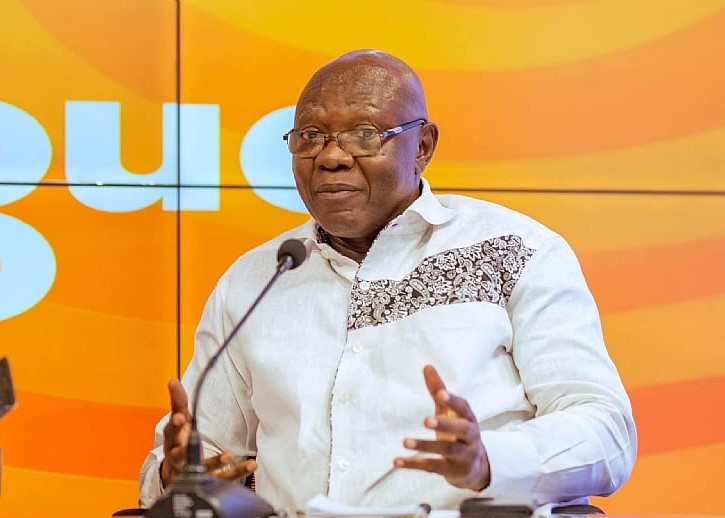
In addition to administrative authority, the Former Amenfi East MP identified funding as a critical element of effective decentralisation. His proposed composite budget system would allow funds to be directed to the district for local development activities.
Under this model, ministries in Accra would concentrate on policymaking, while district departments would focus on implementing projects. In view of this, the Minister for Finance would release the relevant funds to the assemblies, enabling local authorities to coordinate development priorities and account for expenditure.
Mr Oppong-Fosu also cautioned against attributing every local development failure to MPs or District Chief Executives when they may lack the authority and resources needed to deliver projects. In his assessment, decentralisation must move beyond the physical presence of government offices to the genuine transfer of responsibility, funding and decision-making power.
READ ALSO: Education Must Drive Ghana’s Transformation – Dr. Adutwum