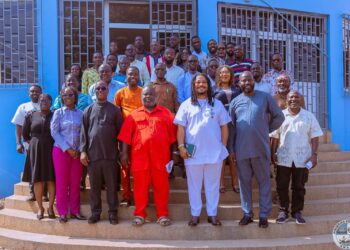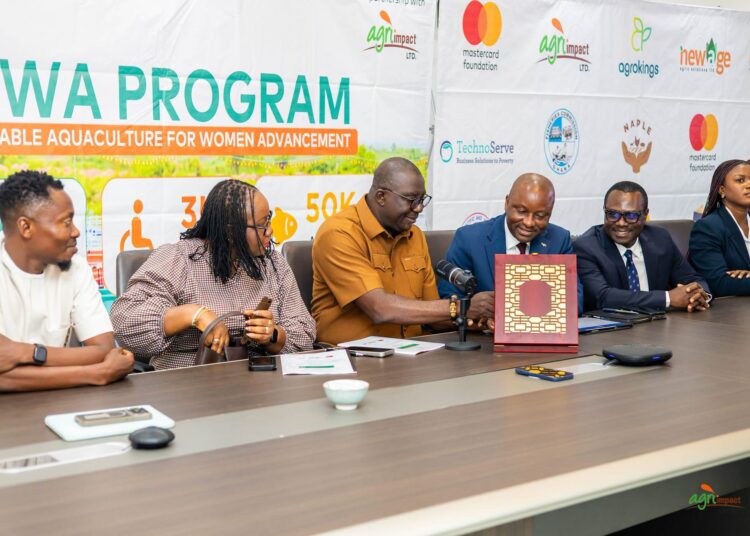
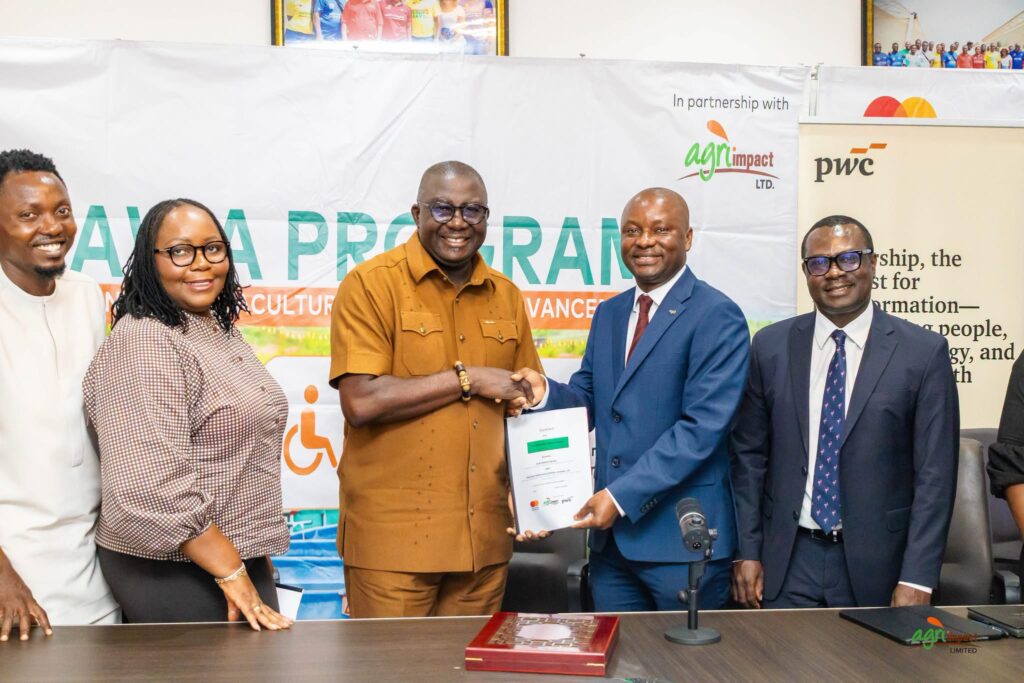
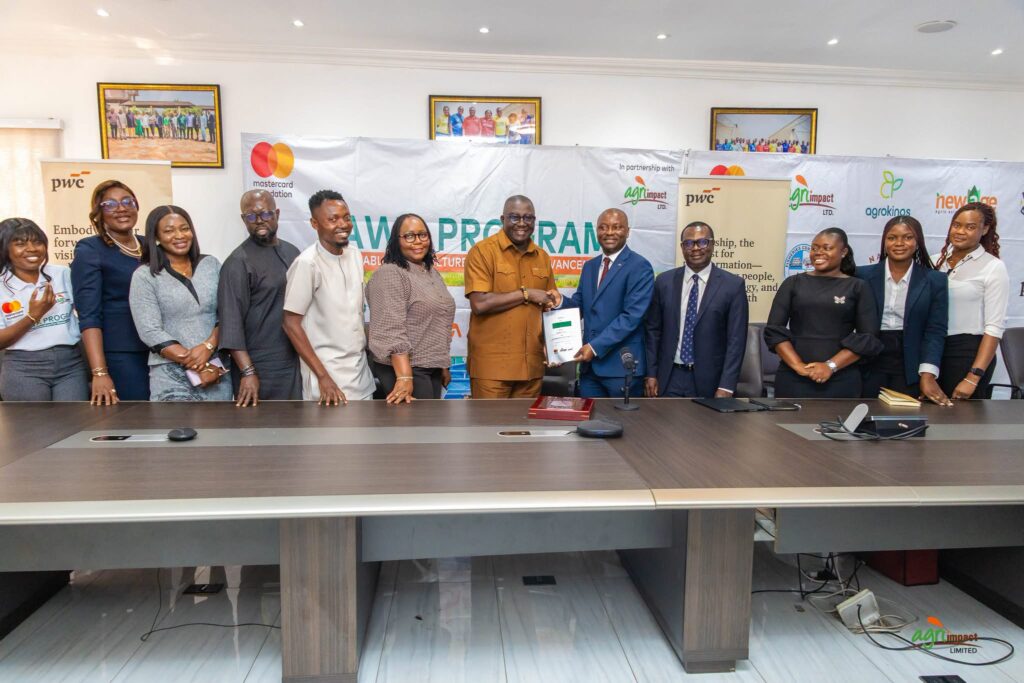
Agri-Impact Ltd has signed a four-year institutional strengthening agreement with PwC Ghana to improve the operational capacity, organisational performance and growth prospects of businesses.
And, implementing the Sustainable Aquaculture for Women Advancement (SAWA) Programme, as efforts intensify to expand employment opportunities for young women in Ghana’s aquaculture industry.
The agreement, at Agri-Impact’s office, extends a partnership established under the Harnessing Agricultural Productivity and Prosperity for Youth (HAPPY) Programme, through which PwC supported Agri-Impact’s institutional development over three years.
Under the new arrangement, PwC Ghana will work with participating consortium partners to strengthen their internal systems, improve business management and build the institutional foundations required to expand operations.
The intervention is intended to position local agribusinesses to deliver sustainable employment opportunities while improving their competitiveness within the aquaculture value chain.
Speaking at the signing ceremony, Agri-Impact Chief Executive Officer Dr. (h.c.) Daniel Fahene Acquaye explained that the decision to extend institutional support to other consortium members followed the benefits his organisation had gained from its engagement with PwC.
“We have seen the benefits and importance of institutional strengthening, especially for local and indigenous companies.”
Agri-Impact C.E.O Dr..(h.c.) Daniel Fahene Acquaye
Institutional Capacity Drives Enterprise Growth
The partnership reflects a growing recognition that agricultural development programmes require more than technical training and access to production resources.
Also, businesses must also develop effective management structures, financial controls, operational systems and strategic planning capabilities to convert programme support into commercially sustainable enterprises.
For participating SAWA consortium firms, these capabilities will be important as they seek to expand production, strengthen service delivery and respond to opportunities across Ghana’s tilapia and catfish value chains.
Dr. Acquaye said Agri-Impact proposed extending the institutional strengthening model to other private-sector partners under SAWA after experiencing improvements in its own capacity to manage large-scale agricultural and agribusiness initiatives.
He emphasised that stronger indigenous businesses could create more employment opportunities by improving their ability to grow, compete and sustain commercial operations.
“The more we strengthen the private sector, the more opportunities we create for young people.”
Agri-Impact C.E.O Dr..(h.c.) Daniel Fahene Acquaye
PwC’s involvement is expected to focus on collaborative institutional development and business improvement, rather than an audit-only relationship.
The objective is to help participating firms improve their performance, expand responsibly and establish stronger business identities within the agricultural sector.
SAWA Targets 60,000 Work Opportunities
The SAWA Programme is a four-year initiative running from 2026 to 2030, established by the Mastercard Foundation in partnership with Agri-Impact.
It seeks to address structural constraints within Ghana’s aquaculture industry while expanding economic participation for young women.
The programme targets 60,000 dignified and fulfilling work opportunities for women aged 18 to 35, including 3,000 young women with disabilities.
Its activities cover opportunities across the aquaculture value chain, particularly tilapia and catfish production and related business activities.
SAWA’s focus on young women seeks to widen access to these opportunities while strengthening the businesses that can provide pathways into employment and entrepreneurship.
The programme is being implemented through a consortium led by Agri-Impact, with Newage Agric Solutions Ltd, AgroKings Limited, the Fisheries Commission, CEL and TechnoServe among its partners.
Anchor partners Aglow, Afrigem Global and Naple Betta, alongside the Council for Scientific and Industrial Research (CSIR), provide additional support.
PwC’s institutional strengthening role is intended to complement the consortium’s technical and implementation activities by improving the organisational capacity required to deliver the programme’s objectives.
PwC Partnership Builds on HAPPY Experience
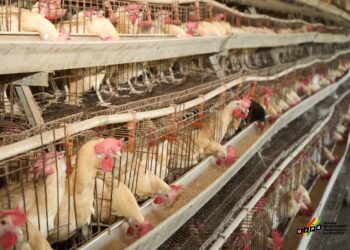
The agreement builds on lessons from the HAPPY Programme, another Mastercard Foundation initiative implemented in partnership with Agri-Impact. HAPPY focuses on creating employment opportunities for young people across Ghana’s rice, soybean, tomato and poultry value chains.
The programme is designed to equip 326,000 young people, particularly young women and persons with disabilities, with skills and resources to access work opportunities.
Its four-year implementation period runs from December 2023 to November 2027, with a stated programme budget of US$61 million.
These targets illustrate the scale of agricultural employment initiatives within which institutional capacity and private-sector participation are important considerations.
PwC Ghana Partner Hayfron Aboagye said the new partnership aligned with the firm’s commitment to building trust and helping address significant economic and social challenges.
“We are excited to partner with Agri-Impact and the Mastercard Foundation for this great support.”
PwC Ghana Partner, Mr. Hayfron Aboagye
He added that the collaboration was expected to produce stronger agribusiness brands by the end of the four-year engagement.
“We believe that, at the end of the four-year journey, we will be seeing big brands coming out of this intervention.”
Agri-Impact C.E.O Dr..(h.c.) Daniel Fahene Acquaye
The expectation is that stronger organisational systems will help participating businesses improve their competitiveness, operational quality and resilience while creating a more supportive environment for employment growth.