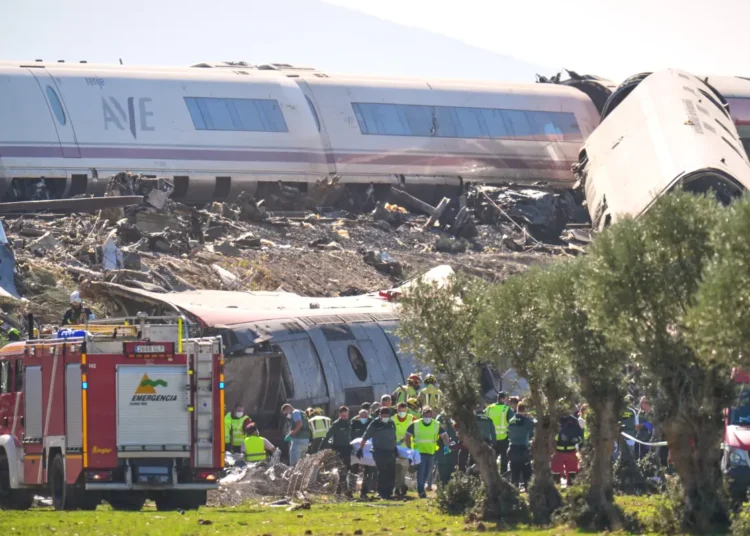
Spain has begun three days of national mourning following a high-speed train collision that killed 69 people, as rescue teams continue searching the wreckage and authorities investigate the circumstances surrounding the disaster.
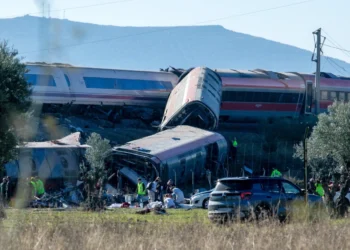
The collision occurred shortly before 9am on Wednesday, October 28, when a train operated by state-owned Renfe struck the rear of a stationary train operated by private company Iryo near Urda, in the Castilla-La Mancha region. Both trains were travelling from Madrid towards the southern region of Andalucía along the same railway line.
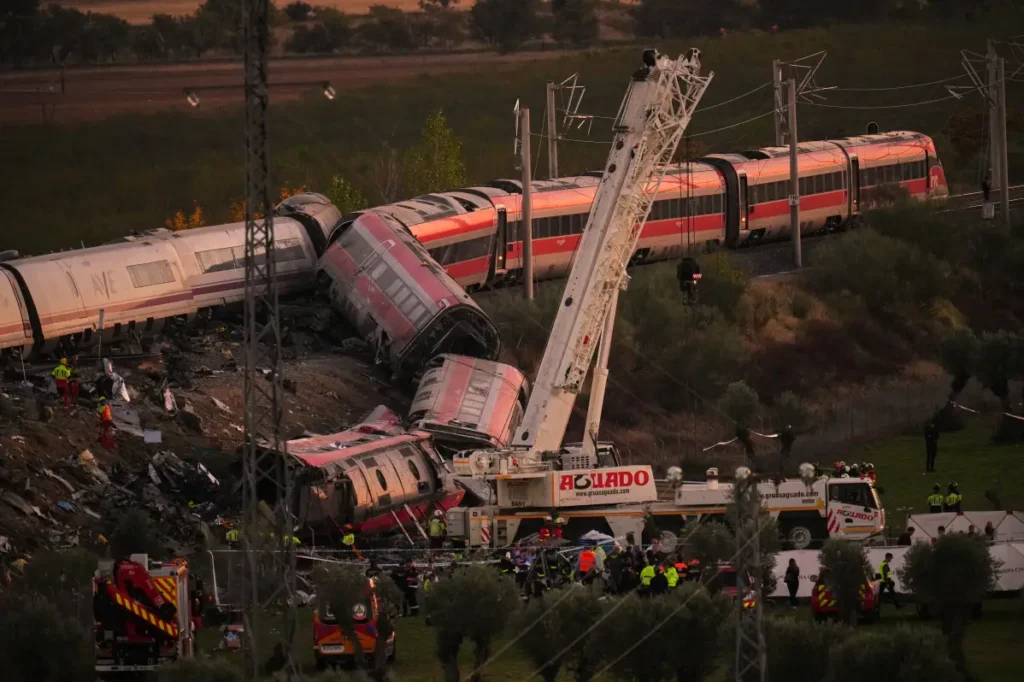
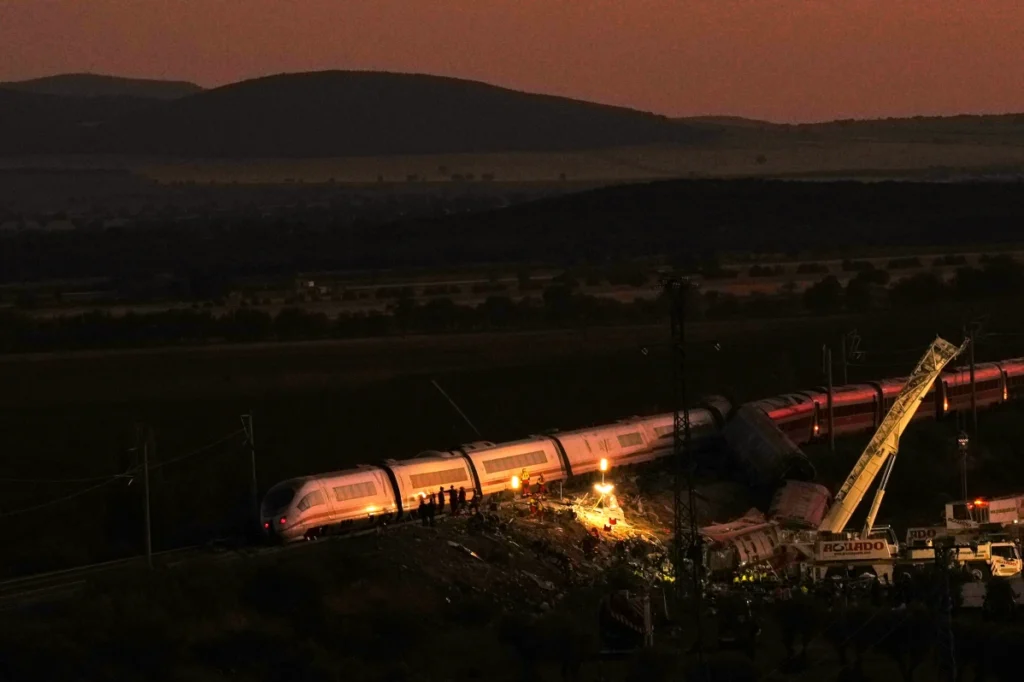
The impact forced several carriages off the tracks, leaving wreckage scattered down a gravel slope. Hospitals continued treating injured passengers as emergency workers searched the damaged carriages for victims.
Regional leader Emiliano García-Page confirmed that another body had been recovered overnight, bringing the reported death toll to 69. “Yesterday we experienced a catastrophe that without a doubt has left all of Spain in shock,” García-Page said.
The disaster has renewed questions about safety on Spain’s extensive high-speed rail network, particularly after Transport Minister Óscar Puente disclosed a signalling system failure and criticised the decision to allow trains to resume operating.
Signalling Failure Under Investigation
Puente disclosed that the LZB signalling system, which helps regulate train movements and automatically stops trains when necessary, experienced a computer-related malfunction at approximately 8:30am local time.
The failure reportedly brought around six trains to a halt along a stretch of approximately 63 kilometres of track.
Responsibility for monitoring rail movements subsequently shifted to a 24-hour command centre in Madrid. According to the Minister’s account, operators at the centre instructed at least two trains to resume normal operations despite a stop signal remaining in place.
The Renfe train subsequently travelled approximately 25 kilometres before striking the stationary Iryo service. Puente questioned the decision to resume traffic while the signalling system remained unavailable, describing the circumstances as inexplicable.
“It was the control centre, through its operators, that made the decision to resume traffic, under circumstances that, from our point of view, are inexplicable. Clearly, it was a wrong decision.”
Óscar Puente
The Minister also said that rear-end collisions of this nature were “highly unlikely” given the safety measures intended to prevent such incidents.
However, the precise sequence of events, the decisions made by railway controllers and the extent to which the signalling failure contributed to the collision remain under investigation.
The disaster is particularly concerning because Spain experienced another deadly train collision in January, when 46 people died after Renfe and Iryo trains collided near Adamuz in Andalucía.
The two accidents have intensified scrutiny of railway safety in a country whose extensive high-speed network carried approximately 45 million passengers last year, including millions of tourists.
Prime Minister Pedro Sánchez has pledged a full investigation and improvements to prevent another tragedy.

“It is clear that we need to reinforce the safety of our train service to rebuild the trust in our high-speed rail. It is not acceptable for a country like Spain to endure two high-speed train accidents in the same year.”
Pedro Sánchez
Search Continues As Political Pressure Mounts
Rescue workers continued searching the wreckage today, using sniffer dogs to locate victims while cranes helped remove damaged carriages. Police officers and soldiers were also assisting with the recovery operation.
García-Page stated that a crane would be used to lift a damaged carriage that had overturned. He noted that 50 people remained hospitalised, adding, “Besides bodies, there are body parts that need to be identified.”
The Guardia Civil has established four offices in Madrid, Toledo, Córdoba and Seville to allow relatives to provide DNA samples to help identify victims. Blood donation points have also been set up in Castilla-La Mancha and Madrid.
Police said that relatives had reported 64 people missing by this morning. A school in Urda, approximately 130 kilometres south of Madrid, has been converted into an information centre for families seeking information about their loved ones.
The collision has also placed additional pressure on Sánchez’s government ahead of Spain’s upcoming national election. Sánchez, who has been in power since 2018, has faced several major challenges during his tenure, including the COVID-19 pandemic and rising inflation.
Opinion polls suggest his Socialist Party faces a difficult contest, with the election campaign already dominated by concerns about housing costs, high rents and other economic pressures.
The train disaster has added railway safety to the political debate, prompting questions about the operation of the country’s rail network and the measures needed to prevent further accidents.
Sánchez’s administration also faces criticism from right-wing parties over its migration policies and corruption allegations involving his party and his wife, both of whom deny wrongdoing.
As rescue and identification efforts continue, the investigation into Wednesday’s collision is expected to focus on the signalling failure and the decision to resume train movements. Its findings will be central to determining what went wrong and what measures may be needed to restore public confidence in Spain’s high-speed rail system.
READ ALSO: US Sanctions Give ICC Greater Visibility- Dr. Gegout