The Minority Caucus has condemned the newly signed public service remuneration agreement, rejecting the 9% salary adjustment for 2027.
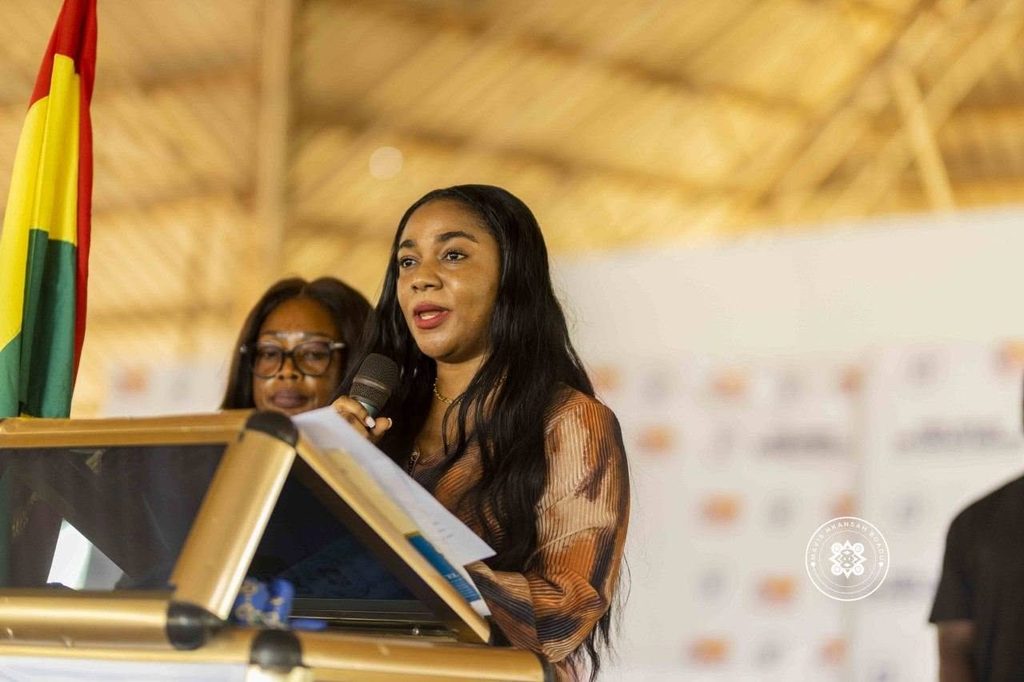
In a press statement issued on Friday, October 30, 2026, the Ranking Member of the Committee on Employment, Labour Relations and Pensions and the Member of Parliament for Afigya Sekyere East, Honourable Mavis Nkansah-Boadu, contended that the two-year agreement fails to address the economic pressures confronting public sector employees.
“To offer Ghanaian public sector workers a meager 9% total remuneration increase for 2027 (8% base pay and 1% conditions of service) and 10% for 2028 is nothing short of an insult. This miserly adjustment is a direct assault on the dignity of workers.”
Honourable Mavis Nkansah-Boadu
The Minority challenged the basis of the agreement, which was finalised on October 28, arguing that the adjustments would further diminish workers’ purchasing power when measured against the rising cost of living. Honourable Nkansah-Boadu emphasised that the 10% increase in 2025 and 9% adjustment in 2026 have already fallen short of workers’ economic needs.

The caucus also questioned the circumstances surrounding the negotiations, particularly the decision to commit public sector employees to a two-year remuneration framework. It recalled that Organised Labour leaders publicly promised to pursue a significant increase in the 2027 base pay only two weeks before signing the agreement.
This outcome, for the Ranking Member, raises questions about whose interests were represented during the negotiations. The MP further cited the dissatisfaction expressed by some unions following the 2026 pay agreement, when certain labour groups reportedly described the 9% adjustment as “woefully inadequate”.
In response, the Minority has demanded the immediate reconvening of the Public Services Joint Standing Negotiating Committee to establish a living wage that accounts for actual increases in household expenditure. It also called for greater transparency from Organised Labour, including the publication of proposals presented during negotiations and an explanation of the concessions made.
The caucus further rejected the use of the transition from the Fair Wages and Salaries Commission to the Independent Public Emoluments Commission as justification for restricting workers’ remuneration.
Honourable Nkansah-Boadu affirmed the Minority’s solidarity with public sector employees, insisting that the agreement must be reconsidered to secure a fairer remuneration framework.
Minority Criticises Rising Household Costs
The Minority Caucus on Employment, Labour Relations and Pensions in Parliament also criticised the widening disparity between public sector salary adjustments and increases in household expenditure, warning that rising utility tariffs, rent and transport costs continue to undermine workers’ earnings.

Honourable Mavis Nkansah-Boadu argues that government’s demand for wage restraint is inconsistent with the repeated increases in essential services and commodities that households must finance from their salaries.
“Expecting workers to tighten their belts with a 9% pay deal while utility tariffs compound quarterly is economic wickedness that the Minority Caucus will fiercely resist.”
Honourable Mavis Nkansah-Boadu
The Minority highlighted electricity and water tariff adjustments introduced between 2025 and 2026, arguing that their cumulative effect has outpaced the salary increases granted to public sector employees. It calculated that electricity now costs approximately 29% more than at the beginning of 2025, while water tariffs have risen by about 18% over the same period.
Beyond utility bills, the caucus drew attention to housing and transport expenses, including an estimated 8% to 14% year-on-year increase in residential rents as of January 2026. It also cited the proposed rent adjustment of nearly 58% at Makola No. 2 Market and reports of tenants being required to pay one or two years’ rent upfront despite the six-month limit under the Rent Act, 1963 (Act 220).
Honourable Nkansah-Boadu further identified the 8% increase in public transport fares from September 26, 2026, and projected increases in liquefied petroleum gas prices as additional pressures on household budgets. The Afigya Sekyere East MP also referenced the 15% rise in mobile data charges from July 2025, alongside continuing expenditure on food and education.
Consequently, the Minority Caucus challenged the government’s “economic hypocrisy”, arguing that workers are being asked to accept modest salary adjustments while the costs of essential services continue to rise.
“Wage negotiations can no longer be conducted in a vacuum while utility regulators greenlight constant tariff increases that wipe out nominal pay adjustments. We urge the government to cease using institutional transitions (such as the IPEC switch) as leverage to impose poverty wages on Ghanaian workers.”
Honourable Mavis Nkansah-Boadu
Honourable Nkansah-Boadu urged labour union members to demand transparency from their representatives, while affirming the Minority’s commitment to defending workers’ economic interests. The caucus insists that wage negotiations must account for the actual cost of living instead of treating salary adjustments in isolation from the expenses confronting Ghanaian households.
READ ALSO: Africa Urged To Build Defences Against Energy Shocks