The upgrade of a major transmission line serving Kumasi has reached 70% completion, but the final phase of the project will require planned electricity interruptions in communities along the route as engineers undertake work to strengthen the network.
The Ghana Grid Company Limited (GRIDCo) and the Electricity Company of Ghana (ECG) say the 161kV Anwomaso–Ahodwo (K1–K2) Transmission Line Upgrade Project is expected to be completed by the end of November 2026.
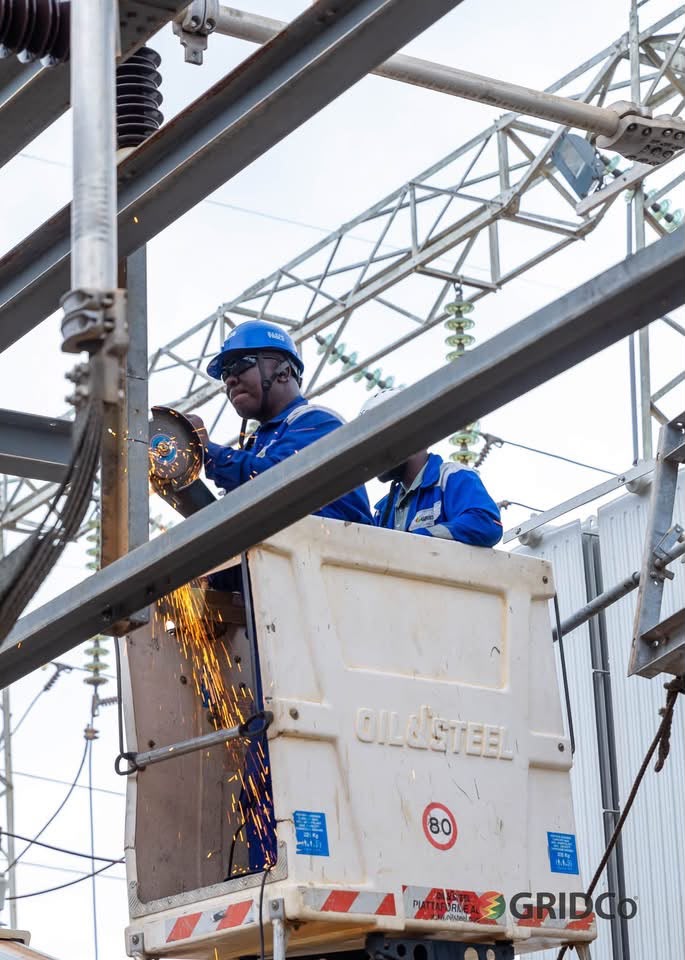
The remaining work includes stringing transmission conductors on towers, an activity the companies say requires temporary power interruptions to protect engineers, other project personnel and the public.
The planned outages begin on Friday, October 30, and will continue until Sunday, November 29, excluding weekends. Affected communities will experience interruptions between 9:00 a.m. and 5:00 p.m. on scheduled days when the work reaches their sections of the transmission line.
The timing places the project at an important stage: while the upgrade is intended to improve electricity supply reliability in Kumasi and surrounding communities, households and businesses will have to manage temporary disruptions before the anticipated benefits can be realised.
The Final 30% Comes With Disruptions
The 70% completion figure indicates that a substantial part of the project has been executed. However, the remaining work is not merely a final administrative step. It involves installing the conductors that form a critical part of the transmission infrastructure.
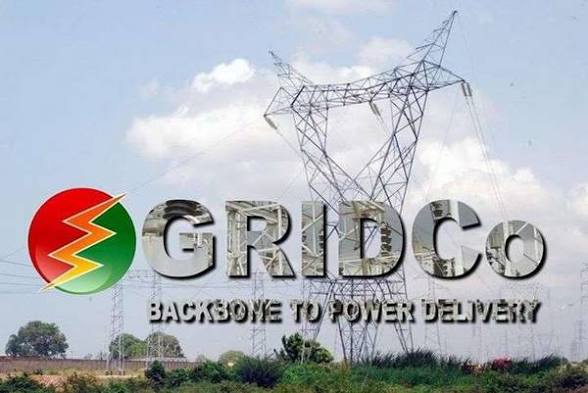
GRIDCo and ECG explained in their joint statement that:
“The project has reached a critical stage involving the stringing of transmission conductors on the towers.”
This stage requires engineers to work along sections of the transmission route, making planned interruptions necessary for safe execution. The companies say the outages are intended to protect workers and members of the public while the conductors are installed.
The distinction between planned and unplanned interruptions is important. The companies are announcing a controlled programme of outages to facilitate construction, rather than reporting an unexpected fault on the transmission network.
Nevertheless, for consumers whose daily activities depend on continuous electricity, the practical effect will still be a temporary loss of supply.
The planned interruption period spans approximately one month, although individual communities are not expected to experience outages every working day. The duration and timing of interruptions will depend on when the stringing work reaches each section of the line.
ECG is expected to publish a comprehensive timetable identifying the affected communities and the corresponding outage dates. That schedule will be particularly important for households, businesses and institutions that need to make arrangements around the interruptions.
Reliability Is The Longer-Term Test
The project is intended to strengthen electricity transmission infrastructure and improve the reliability of supply in Kumasi and its environs.
Its significance therefore extends beyond the installation of new conductors: it forms part of the infrastructure investment required to support electricity delivery across the Ashanti Region.
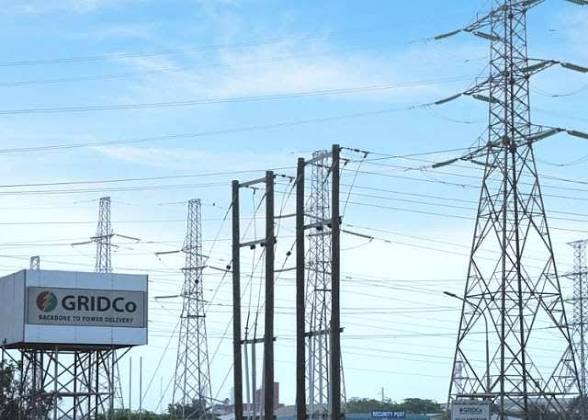
Transmission infrastructure is a critical link between electricity generation and distribution. Improvements at this level can help strengthen the network through which power is transported to distribution systems and, ultimately, consumers.
However, the completion of a transmission upgrade should not automatically be treated as proof that all electricity supply challenges in the affected areas have been resolved.
The project’s actual contribution will need to be assessed after commissioning and through the performance of the network.
For consumers, the central question will be whether the completed works translate into more reliable supply and fewer disruptions over time.
That outcome will depend not only on the successful installation of the conductors but also on the wider performance and maintenance of the electricity network.
GRIDCo and ECG have described the project as an important investment in the transmission system, saying it will strengthen the network and improve supply reliability in the region.
“While the temporary interruptions are necessary to ensure the safety of personnel and the successful completion of the works, the project represents an important investment in strengthening the transmission network and improving the reliability of electricity supply in the Ashanti Region.”
The statement provides the companies’ rationale for proceeding with the outages, but the eventual measure of success will be the reliability improvements consumers experience once the project is completed.
Businesses Must Prepare For The Outage Schedule
The interruptions could have practical implications for commercial activity, particularly for businesses that depend on electricity throughout the working day.
Small enterprises, shops, food processors, cold-storage operators, workshops and other electricity-dependent businesses may need to adjust their operations on affected days.
Households will also have to plan around the loss of power, especially where electricity is required for water pumping, refrigeration, cooking and other essential activities.
The companies have acknowledged the inconvenience the planned interruptions will cause households, businesses and other electricity consumers. They have appealed for public cooperation throughout the construction period.
“We appeal to the public, particularly affected communities, for your patience, understanding, and cooperation throughout this period.”
That appeal will need to be matched by timely and clear communication. Publishing the outage timetable in advance will allow consumers to identify the specific days on which their communities will be affected, rather than having to prepare for daily interruptions throughout the entire month.
It will also be important for the schedule to be communicated through channels that residents and businesses can readily access.
Clear information on the affected areas, dates and expected outage hours can help reduce uncertainty and limit avoidable disruption.
November Deadline Places Focus On Execution
GRIDCo and ECG have scheduled the project for completion by the end of November 2026. The planned interruptions are therefore part of the remaining construction programme, with the companies assuring the public that the work will be completed safely and as scheduled.
The deadline places attention on execution. Reaching 70% completion is evidence of progress, but the remaining work must still be carried out, tested and prepared for commissioning before the project can deliver its intended benefits.
The companies have apologised for the inconvenience and reiterated their commitment to completing the upgrade safely.
For affected communities, the immediate priority will be receiving accurate information and having sufficient notice to prepare for the scheduled interruptions.
The broader expectation is that the temporary disruption will result in a stronger transmission network and improved electricity supply reliability across Kumasi and surrounding areas.
For now, the K1–K2 project presents consumers with a short-term trade-off: planned interruptions during the final construction phase in anticipation of longer-term improvements.
Whether that trade-off proves worthwhile will ultimately be judged not by the 70% completion figure, but by the performance of the upgraded transmission line once it is commissioned.
READ ALSO: Musk Announces Neuralink ‘Blindsight’ Device Ready for Approval