Ghana and Burkina Faso are seeking to strengthen bilateral trade and industrial cooperation through a proposed trade agreement designed to expand cross-border commerce, promote local manufacturing and increase value addition across strategic economic sectors.
The initiative, announced by the Minister for Trade, Agribusiness and Industry, Hon. Elizabeth Ofosu-Adjare, forms part of Ghana’s renewed efforts to deepen economic partnerships with neighbouring countries and position local industries to benefit from regional and continental trade opportunities.
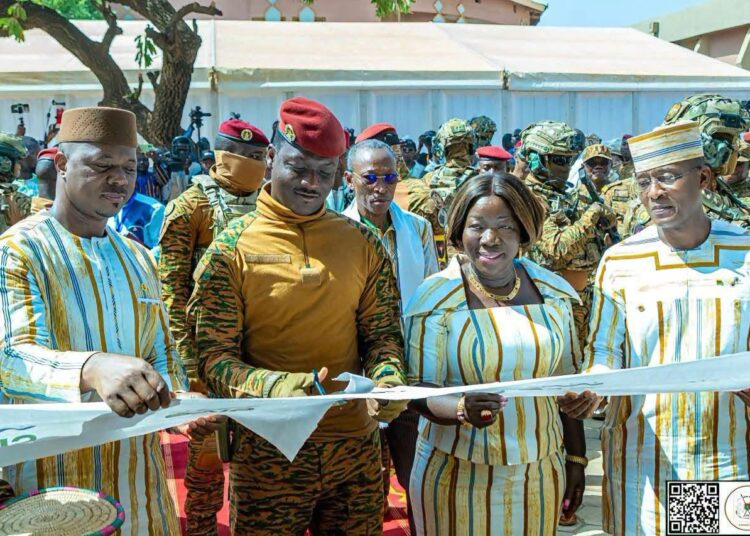
Speaking as Guest of Honour at the opening ceremony of the 18th International Arts and Crafts Fair of Ouagadougou (SIAO 2026), in Burkina Faso, the Minister identified handicrafts, agro-processing, shea, cotton, leather manufacturing and agricultural value chains as priority areas for stronger collaboration.
She indicated that the proposed agreement would provide a framework for expanding commercial partnerships, strengthening industrial capacity and creating opportunities for businesses in both countries.
“Ghana and Burkina Faso already trade approximately US$1 billion annually. What we must build now is a stronger framework that allows our businesses to expand, industries to grow and locally produced goods to reach wider markets.”
Minister for Trade, Hon. Elizabeth Ofosu-Adjare
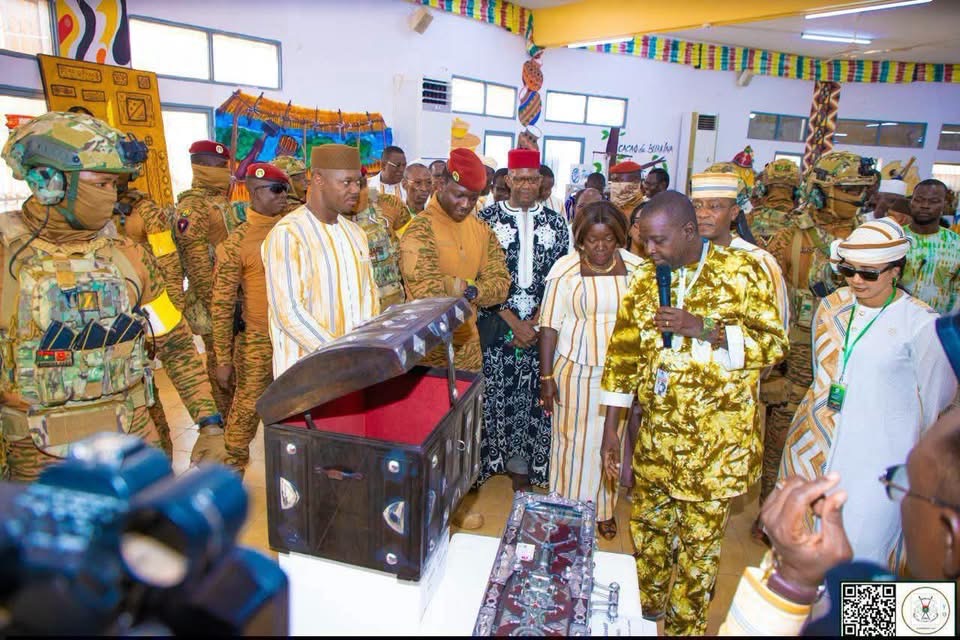
Bilateral Trade Agreement to Drive Industrial Growth
The proposed bilateral trade agreement comes against the background of significant commercial relations between the two West African neighbours.
Hon. Ofosu-Adjare disclosed that formal trade between Ghana and Burkina Faso exceeded US$1 billion in the previous year, demonstrating the scale of economic activity between the two countries and the potential for further expansion.
However, strengthening the relationship will require more than increasing the volume of goods exchanged. Both countries must address challenges associated with border management, product standards and the movement of goods to improve the efficiency of cross-border transactions.
The Minister consequently emphasised the importance of harmonising product standards, improving border administration and facilitating the movement of goods between the two economies.
These measures are particularly important for businesses operating across the two markets, including manufacturers, agricultural producers, traders and small-scale enterprises that depend on reliable transportation and predictable regulatory procedures.
The proposed arrangement also presents opportunities to connect Ghanaian manufacturers with Burkina Faso’s industrial and agricultural sectors, encouraging partnerships that can support production, processing and distribution.
The initiative aligns with the broader objectives of the African Continental Free Trade Area (AfCFTA), which seeks to establish a single African market for goods and services, facilitate intra-African trade and strengthen regional value chains.
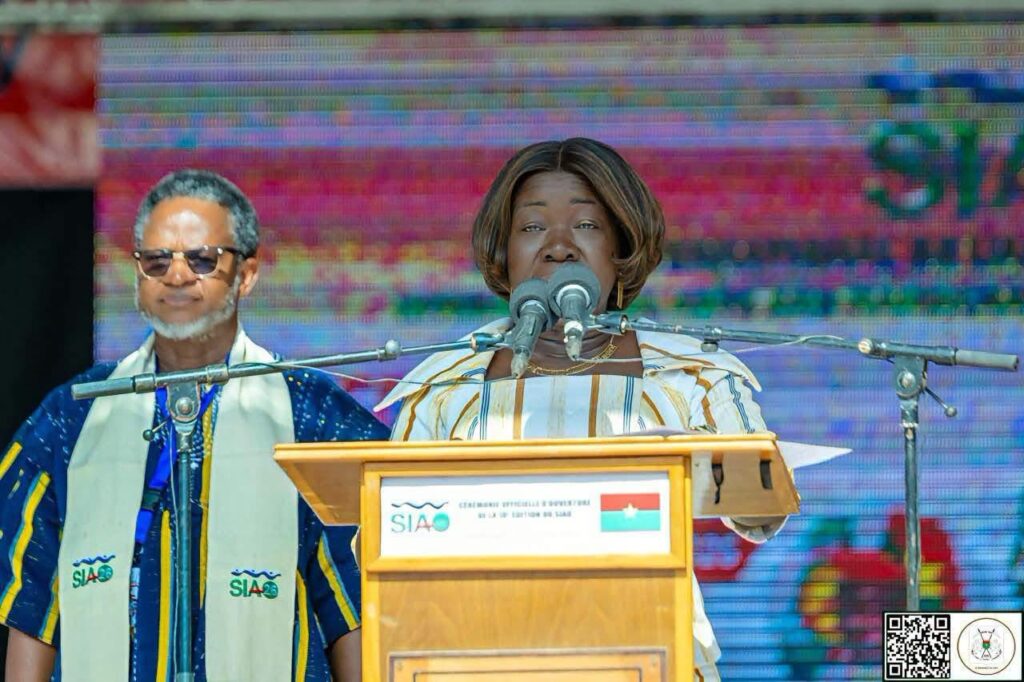
“The opportunity is not simply to increase the movement of goods across our borders, but to create an environment where businesses can trade more efficiently through improved standards, stronger border coordination and industrial partnerships.”
Minister for Trade, Hon. Elizabeth Ofosu-Adjare
For Ghana, stronger commercial relations with Burkina Faso could also provide opportunities for local businesses to access wider markets within the Sahel region.
SIAO 2026 Showcases Ghanaian Industrial Potential
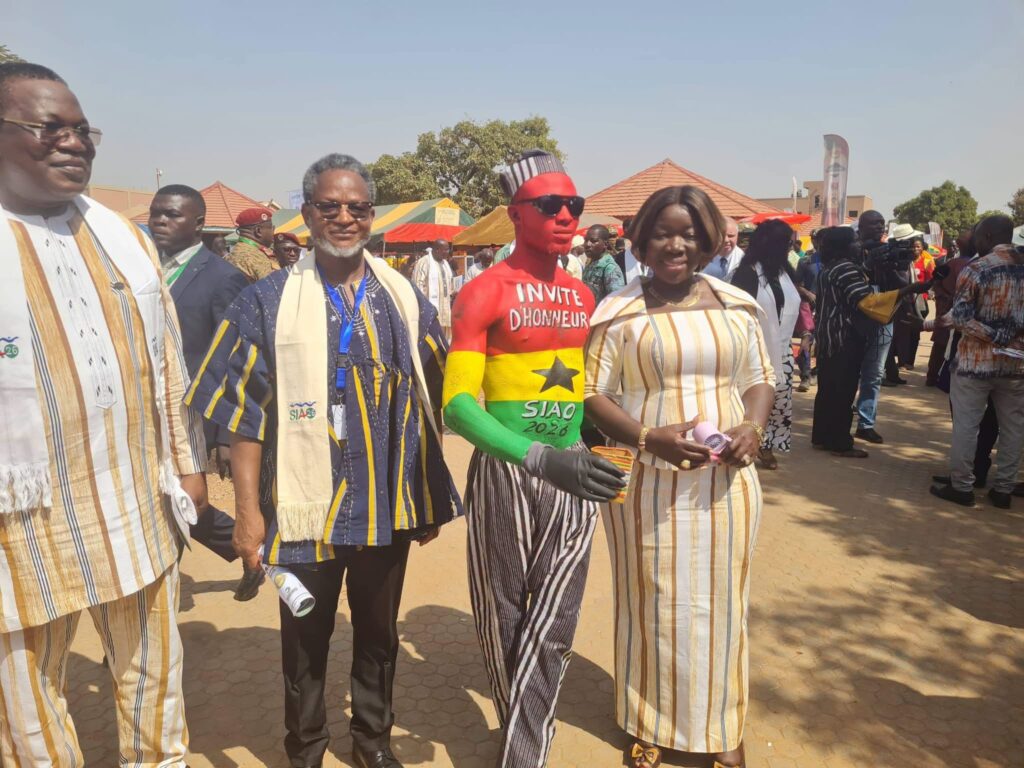
Ghana’s participation in SIAO 2026 as Guest of Honour provides an important platform for promoting its creative industries, traditional craftsmanship and emerging manufacturing capabilities.
The country is showcasing products representing all 16 regions, including Kente, Adinkra textiles, fugu, Bolgatanga baskets, beads, pottery, leather products and contemporary fashion.
The exhibition highlights the diversity of Ghanaian craftsmanship and the commercial potential of products developed from local materials, cultural knowledge and indigenous production techniques.
The fair, which runs from October 30 to November 8, 2026, is being held under the theme, “African Craftsmanship and Industrialisation: What Synergy for Better Organisation and Promotion of Local Products and Cultural Heritage?”
The event also features exhibitions, business-to-business engagements, workshops and cultural activities designed to connect artisans with potential investors, distributors and international buyers.
The participation of Mali and Niger as special guest countries further reinforces the regional character of the exhibition and its potential to strengthen commercial relationships among West African economies.
“African craftsmanship must move beyond the workshop and become part of a stronger industrial value chain, connecting production, processing, manufacturing and international distribution.”
Minister for Trade, Hon. Elizabeth Ofosu-Adjare
This industrial approach is particularly relevant to Ghana’s handicraft sector, where many producers operate on a relatively small scale and face challenges involving access to finance, modern equipment, packaging, certification and international markets.
Value Addition to Strengthen Regional Value Chains
Beyond the exhibition of finished products, the proposed cooperation places considerable emphasis on developing productive industries around commodities and resources available in both countries.
Shea, cotton, leather and agricultural products offer opportunities for collaboration in processing, manufacturing and the development of finished consumer goods.
Ghana and Burkina Faso have established agricultural and trading activities that could support stronger regional supply chains if businesses are able to access reliable raw materials, processing facilities and distribution networks.
In the shea industry, for instance, greater cooperation could support the development of processing activities, improve the commercial value of locally sourced nuts and create opportunities for producers and businesses involved in the supply chain.
Cotton and leather also present opportunities for textile production, garment manufacturing, footwear and other finished products that can serve domestic and regional markets.
Similarly, collaboration in agro-processing could encourage investment in facilities that transform agricultural commodities into higher-value products rather than relying predominantly on the sale of unprocessed materials.
The proposed agreement could therefore provide an opportunity to connect producers, processors, manufacturers and traders across the two countries, creating stronger commercial relationships and supporting employment generation.
“The objective of industrial cooperation is to ensure that African countries capture more value from their own resources through local processing, manufacturing and the development of competitive products.”
Minister for Trade, Hon. Elizabeth Ofosu-Adjare
The discussions at SIAO 2026 also reflect a wider continental development priority: strengthening the relationship between traditional production systems and modern industrialisation.
READ ALSO:Gilead Medical Director Warns Late Breast Cancer Diagnosis Reduces Survival