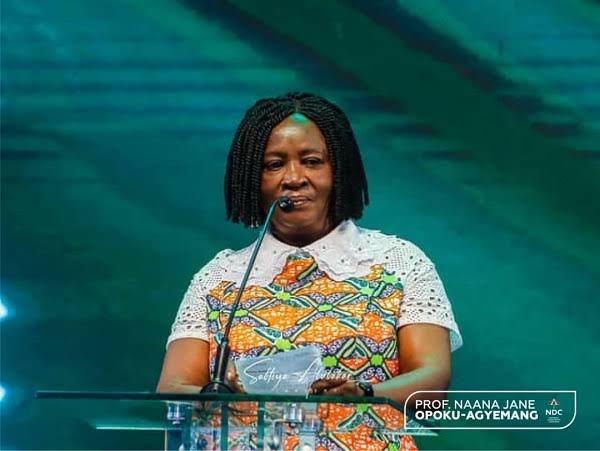
Ghana’s Vice President, Professor Jane Naana Opoku-Agyemang, has called on African countries to strengthen their capacity to shape global digital standards and develop technology systems that reflect the continent’s needs, as she officially opened the 15th Africa Internet Governance Forum (AfIGF), hosted by Ghana.
Addressing the Forum, the Vice President stressed that Africa must build the expertise, institutions and safeguards needed to participate meaningfully in decisions about emerging technologies.
She highlighted digital skills, artificial intelligence, cybersecurity, data governance and online child protection as priorities, while urging governments, industry, the Judiciary, Parliament and citizens to engage in shaping an inclusive digital future.
“Africa must build the capacity to contribute to global standards and to develop digital systems that respond to our realities.”
Ghana’s Vice President, Professor Jane Naana Opoku-Agyemang
Professor Agyemang reflected on the contribution of former United Nations Secretary-General Kofi Annan to the development of the global Internet Governance Forum, recalling his conviction that decisions about the internet should involve governments, businesses, civil society, technical experts and the wider public.
She noted that the internet had transformed commerce, education, communication and access to information, making inclusive governance increasingly important as emerging technologies reshape societies.
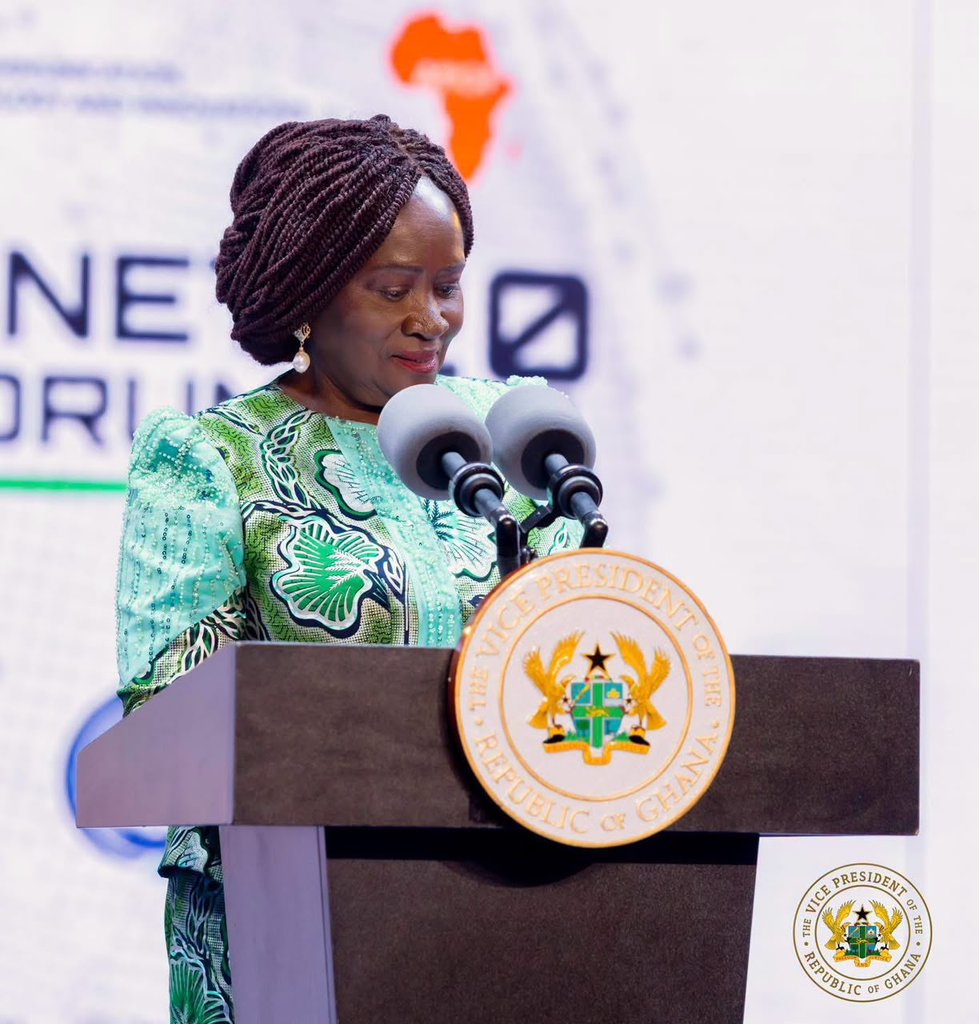
The Vice President maintained that African countries needed more than access to digital tools. They also required the technical knowledge, institutional capacity and safeguards to influence how technologies were developed, governed and deployed.
Ghana advances digital skills and artificial intelligence
Her remarks placed Africa’s participation in global standard-setting at the centre of the discussions.
On Ghana’s digital development agenda, Professor Agyemang highlighted the One Million Coders Programme and the National Artificial Intelligence Strategy launched by President John Dramani Mahama.
She explained that the initiatives were intended to expand digital skills and create pathways to employment, entrepreneurship and innovation, particularly for young people and small businesses.
The Vice President presented the programmes as part of Ghana’s effort to equip citizens for a technology-driven economy, while protecting fundamental rights and freedoms.
Online safety and data governance require attention
Professor Agyemang emphasised the importance of protecting children and young people online, strengthening cybersecurity and improving data governance. She called for policymakers, the Judiciary, Parliament, industry and citizens to take an active role in addressing these issues.
She welcomed the presence of judicial officers and parliamentarians at the Forum, noting that digital technologies raised questions that existing laws and practices were not always designed to address.
The challenge, she explained, was to respond to technological developments while safeguarding rights and freedoms. Artificial intelligence, in particular, made accountability an important consideration, while the African judicial dialogue provided an opportunity to examine the legal and institutional questions together.
“Artificial intelligence makes accountability especially important,” she stated, drawing attention to the responsibility of institutions to ensure that technological innovation does not weaken public protections.
Digital sovereignty must enable meaningful participation
The Vice President also raised the question of Africa’s influence over technologies that increasingly shape societies. She argued that digital sovereignty should not be understood as withdrawal from an interconnected world, but as the ability to make informed choices and participate meaningfully in decisions affecting the continent.
She explained that this required knowledge, capabilities and strong institutions.
The Forum was also expected to address cybersecurity, data governance and environmental sustainability. Professor Agyemang acknowledged that these subjects would not always produce easy agreement, given the different perspectives and expertise represented by governments, institutions, researchers, businesses and citizens.
“Digital sovereignty is not about withdrawing from an interconnected world, but about having the knowledge, capabilities and strong institutions to make informed choices and influence decisions that affect our continent.”
Ghana’s Vice President, Professor Jane Naana Opoku-Agyemang
She encouraged participants to welcome disagreement and rely on evidence to develop a clearer understanding of areas where cooperation was possible.
She urged delegates to engage with different perspectives rather than assume that complex questions would attract immediate consensus.
In her view, constructive discussion should make room for disagreement, test positions against evidence and identify areas for cooperation. That approach, she indicated, would help institutions and citizens navigate the choices created by technological change.
Vice President opens 15th Africa Internet Governance Forum
Professor Agyemang urged participants to approach the deliberations with openness to diverse perspectives, expressing hope that the discussions would contribute to a safer, more inclusive and accessible digital future for Africa.
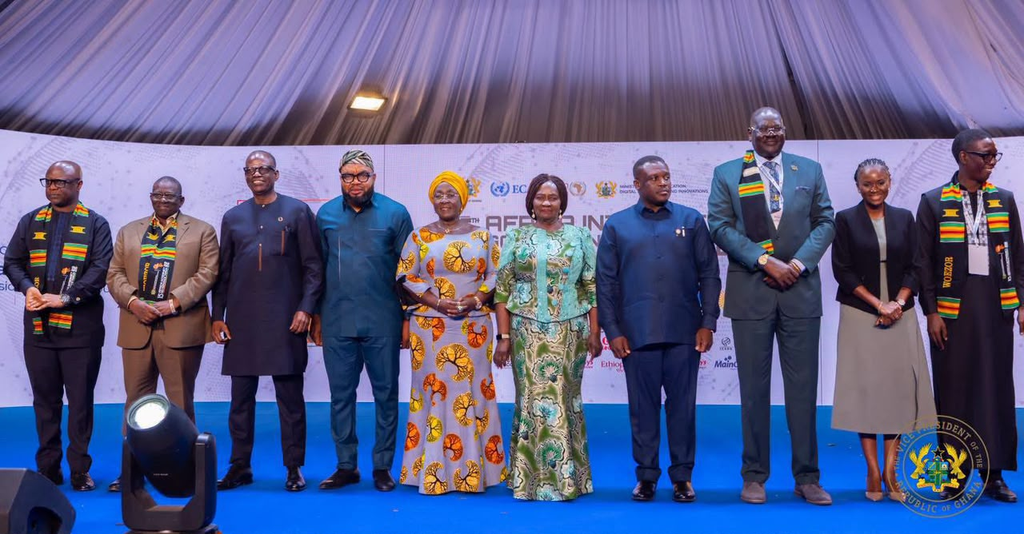
She also acknowledged the organisers, partners and individuals whose efforts had brought participants together, and expressed Ghana’s honour in hosting the conversations.
On behalf of President John Dramani Mahama and the Government of Ghana, the Vice President formally declared the 15th Africa Internet Governance Forum open.
Her address called for stronger African digital capabilities and technology governance that is inclusive, accountable and responsive to the continent’s needs.
READ MORE: IMANI Scrutinises Traffitech-GH Over Road Safety Preparedness Concerns