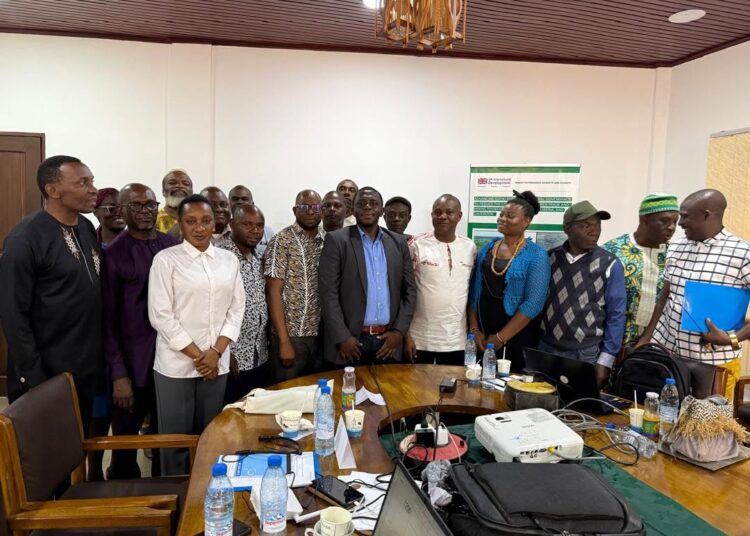
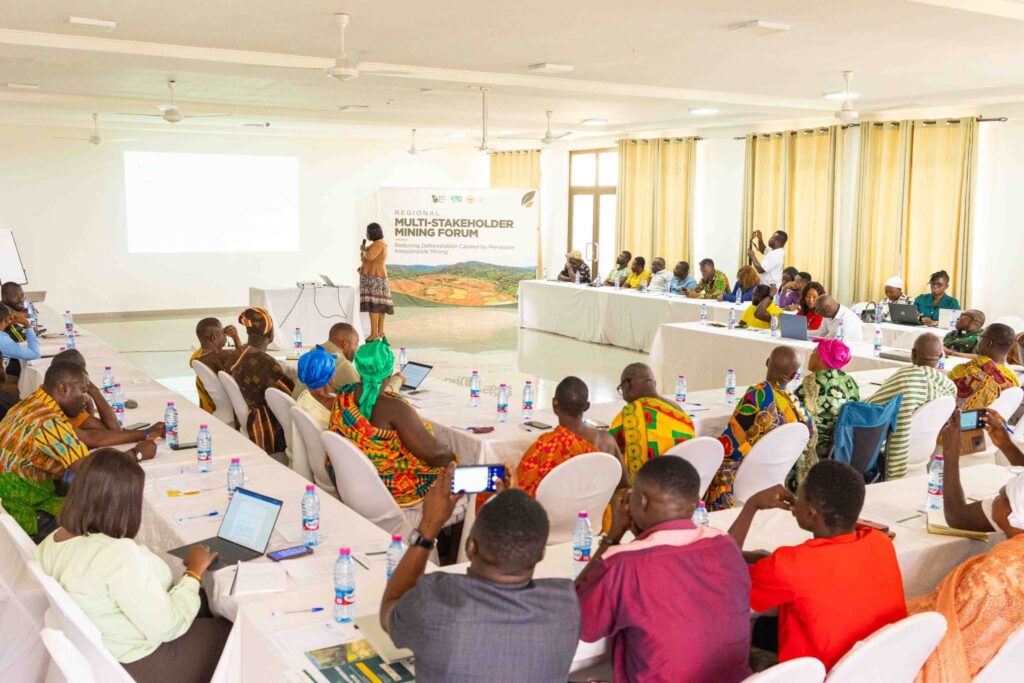
The Nature & Development Foundation (NDF) led a targeted capacity-building initiative in the Ashanti Region designed to strengthen women’s involvement in Environmental Impact Assessment (EIA) processes and Free, Prior, and Informed Consent (FPIC) mechanisms across Ghana’s mining sector.
Designed to challenge historic gender imbalances, the project empowers female leaders to systematically analyze natural resource decisions that impact their local ecosystems and economic survival.
“FPIC only works when it is free (no pressure), prior (before decisions), informed (in language people understand), and consent (with the real option to say no). Women who understand that framework are harder to sideline and far better at holding duty-bearers accountable. Capacity is the beginning. Participation is the goal. Accountability is the outcome.”
Nature & Development Foundation (NDF)
Expanding on this mandate, the organization addressed the operational reality that extractive decisions are routinely framed as unified “community decisions” despite leaving women sidelined during statutory consultations.
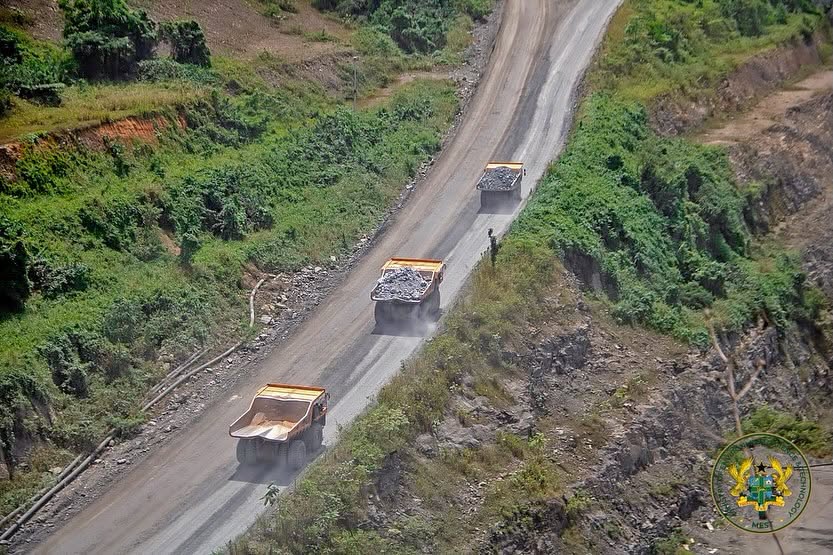
Because rural women bear the primary burden of managing farmland, water resources, household health, and food security, their exclusion renders traditional EIA consultation and consent processes structurally flawed.
By introducing structured training on procedural rights, the initiative ensures local stakeholders can identify environmental risks early, demand technical clarity in clear language, and exercise their right to decline unsustainable extraction proposals before projects begin.
Structural Gaps in Mining Consultation Frameworks
Extractive governance across resource-rich landscapes in Ghana frequently relies on top-down negotiations that overlook the nuanced social dynamics within host communities.
Traditional consultation formats often engage a narrow subset of local leadership, assuming their endorsement represents whole-of-community consent.
This approach obscures the gendered distribution of environmental impacts, as female residents face direct disruption to agricultural livelihoods and water safety without direct representation in formal impact assessments.
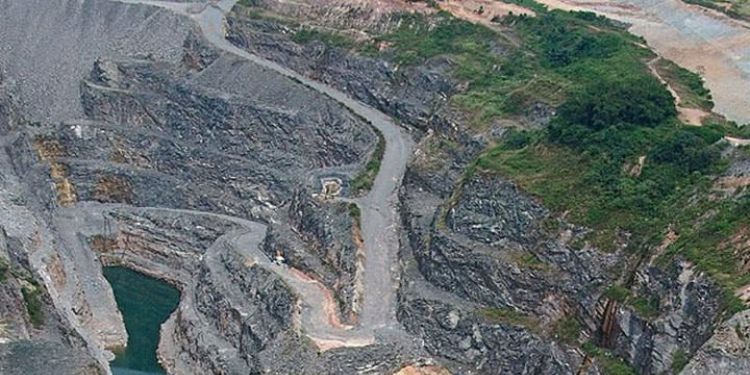
When mining operations breach environmental guidelines or pollute water bodies, the domestic burden falls heavily on women who manage everyday family survival.
Without rigorous legal and technical understanding of EIA documents, local groups remain vulnerable to corporate coercion and hasty approvals.
Building technical capacity equips female community leaders to question duty-bearers, analyze mitigation strategies, and push back against top-down industrial pressures during formal public hearings.
Strengthening FPIC Mechanisms for Equitable Outcomes
Implementing Free, Prior, and Informed Consent requires strict adherence to international standards where affected populations receive unbiased project details long before ground operations commence.
Real consent depends on removing pressure, translating complex technical literature into accessible local dialects, and respecting a community’s genuine authority to withhold permission.
Equipping local women with these governance concepts changes community-level negotiation dynamics, transforming vulnerable populations from passive onlookers into active negotiators.
The initiative receives institutional support through the Forest Governance, Markets and Climate Programme (FGMC) funded by the Foreign, Commonwealth & Development Office (FCDO), alongside joint support from the European Union in Ghana through the BRACE project.
These multi-donor partnerships highlight the global imperative of aligning domestic extractives oversight with strict environmental safeguards and human rights standards.
Institutionalizing Accountability Beyond Workshop Metrics
The long-term success of grassroots governance capacity building is evaluated by structural shifts in local participation rather than immediate event attendance.
True institutional progress is measured by what unfolds at upcoming municipal EIA public hearings, local town hall assemblies, and direct corporate negotiations.
Equipping women in the Ashanti Landscape with formal governance frameworks transforms public participation into a tangible mechanism for enforceable accountability, safeguarding community resources for future generations.
READ ALSO: UK Can Rejoin EU Without Adopting Euro — Michel Barnier