The International Organization for Migration (IOM) has warned that efforts to contain the Ebola outbreak in the Democratic Republic of the Congo (DRC) and neighbouring countries face significant challenges, with 71 confirmed cases identified through its supported surveillance points
According to IOM Regional Director for East, Horn and Southern Africa, Frantz Celestin, “ebola screening cannot stop at hospitals or official border crossings.”
“People need timely access to health information and services wherever they live and travel, including displacement sites and remote border communities. Sustaining these efforts is essential to detecting cases early and limiting further transmission.”
Frantz Celestin
The International Organization for Migration’s latest situation report revealed that the 71 confirmed cases were identified through initial alerts at points of entry and control since the outbreak began.
Surveillance activities at displacement sites also identified three confirmed Ebola cases between October 26 and November 1, 2026, demonstrating the risks associated with relying exclusively on formal border crossings and established healthcare facilities.
The Centers for Disease Control and Prevention (CDC) reported 10,910 total confirmed Ebola cases and 5234 confirmed deaths as of November 6, 2026, in an outbreak caused by the Bundibugyo virus.
The Democratic Republic of the Congo (DRC) remains the most affected country, with 10,741 confirmed cases and 5,230 deaths. Infections have been identified in eight provinces: Bas-Uele, Haut-Uele, Ituri, Nord-Kivu, Sud-Kivu, Sud-Ubangi, Nord-Ubangi and Tshopo. South Kivu, however, has recorded no confirmed infections since May 29.
Kenya’s outbreak figures stood at nine confirmed cases and two deaths as of October 23, with all cases concentrated in Nairobi. The first case involved a man who travelled from the DRC through Uganda before being admitted to hospital, where he died on October 6. Other infections were detected among relatives and healthcare workers already under quarantine, while the Ministry of Health has reported no community transmission.
Nigeria confirmed its first Bundibugyo virus case on October 20, with no associated deaths. Uganda has recorded 20 confirmed cases, two confirmed deaths, one probable case and one probable death. No active infections remain after the last patient was discharged on July 16. France has also reported one confirmed case, whose patient was released from care on July 4.
Cross-Border Movement Raises Regional Transmission Concerns
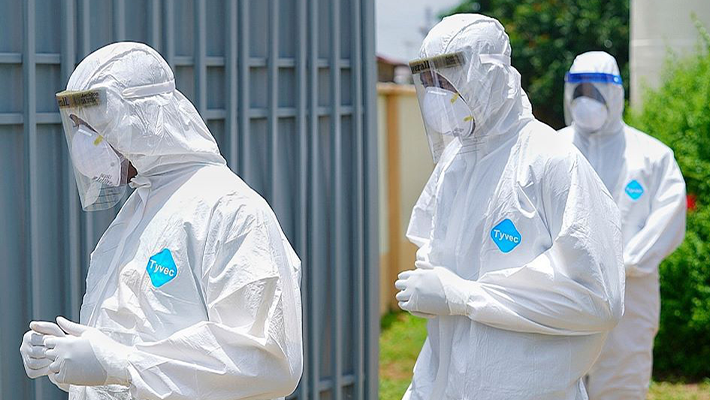
IOM revealed that insecurity and continued displacement are complicating efforts to reach affected populations and maintain effective disease monitoring. The organisation currently supports 67 displacement sites across the DRC, including 50 located in health zones affected by the outbreak, while working with national authorities to strengthen early detection, screening and referral systems.
IOM is also expanding its surveillance and preparedness activities across neighbouring countries to identify potential transmission routes and strengthen early warning systems.
In Tshopo Province in the DRC, population movement assessments identified 19 strategic river locations where additional surveillance points may be required to monitor movement and improve early detection.
Similar assessments in Uganda’s Kasese District identified 17 priority points of entry, including 13 informal crossings, providing authorities with information to strengthen screening and surveillance.
In Kenya, IOM is supporting preparedness activities at 22 points of entry.
South Sudan is also strengthening its monitoring capacity, with IOM continuing to track population movements at 12 border locations connecting the country with the DRC and Uganda.
IOM is consequently working alongside national health authorities to improve health screening, referral mechanisms and community engagement, particularly in locations where formal surveillance systems may not adequately capture population movements.
$59.8 Million Funding Gap Threatens Ebola Response
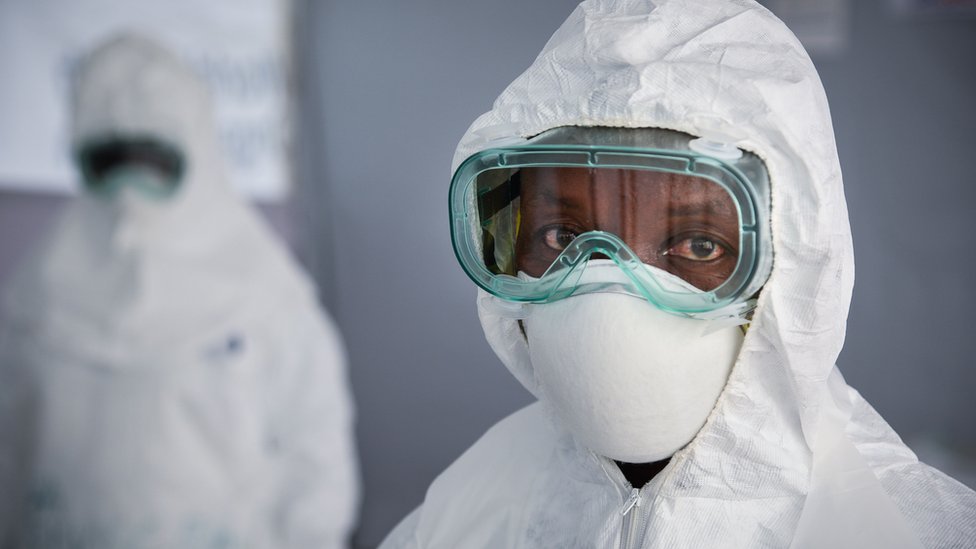
Despite ongoing surveillance and preparedness efforts, IOM has warned that insufficient funding could undermine the continuity of critical interventions across affected and at-risk countries.
Of the $110 million requested under its multi-country Ebola preparedness and response plan, only $50.2 million had been received during the latest reporting period, leaving a regional funding shortfall of $59.8 million.
Nearly half of the outstanding requirement is concentrated in the DRC, raising concerns about the country’s capacity to sustain surveillance and preparedness activities amid continued transmission and displacement.
The current response plan covers June 2026 to March 2027, although IOM has stressed that critical preparedness and response requirements will extend beyond this period.
Additional flexible funding is therefore needed to maintain disease surveillance, support frontline health workers and strengthen early detection and referral systems across countries facing potential exposure.
The funding constraints present a significant challenge to regional containment efforts, particularly as population movements continue to connect affected communities with neighbouring countries.
READ ALSO: Nigeria’s Flamingos Return Home as Heroes After Historic World Cup Triumph