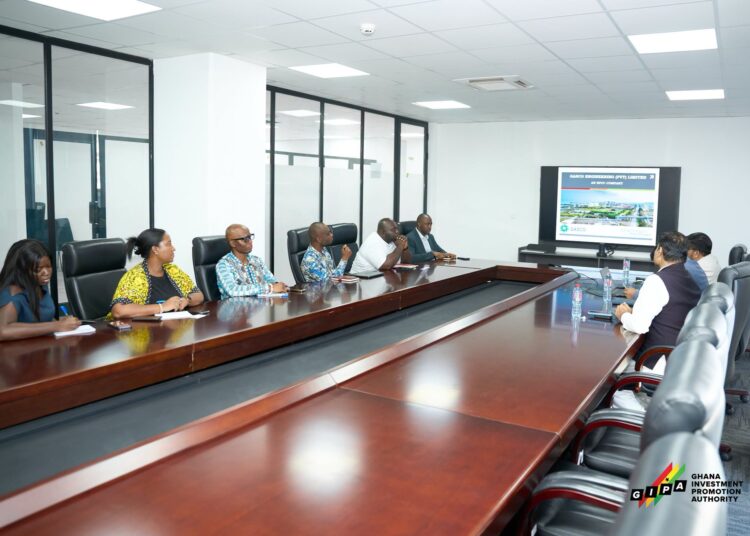
Mr A. Razak Baba, the Deputy Chief Executive Officer of the Ghana Investment Promotion Authority (GIPA), initiated high-level bilateral discussions with Pakistan-based engineering conglomerate GASCO Engineering Ltd to channel direct foreign capital into the country’s natural resources.
The strategic engagement focused on presenting high-yielding investment opportunities across Ghana’s crude oil reserves, offshore natural gas developments, solid minerals, and industrial infrastructure.
By directly targeting established international engineering firms, the promotion authority seeks to accelerate capital injection into under-explored concessions while expanding upstream support services.
“He also highlighted the company’s commitment to environmental protection, local value addition and skills development, as well as its interest in opportunities within Ghana’s gold, copper and other mineral resources.”
Ghana Investment Promotion Authority (GIPA)
During the summit, Mr Baba detailed the primary sovereign support mechanisms designed to derisk entry for foreign enterprise in the extractive space.
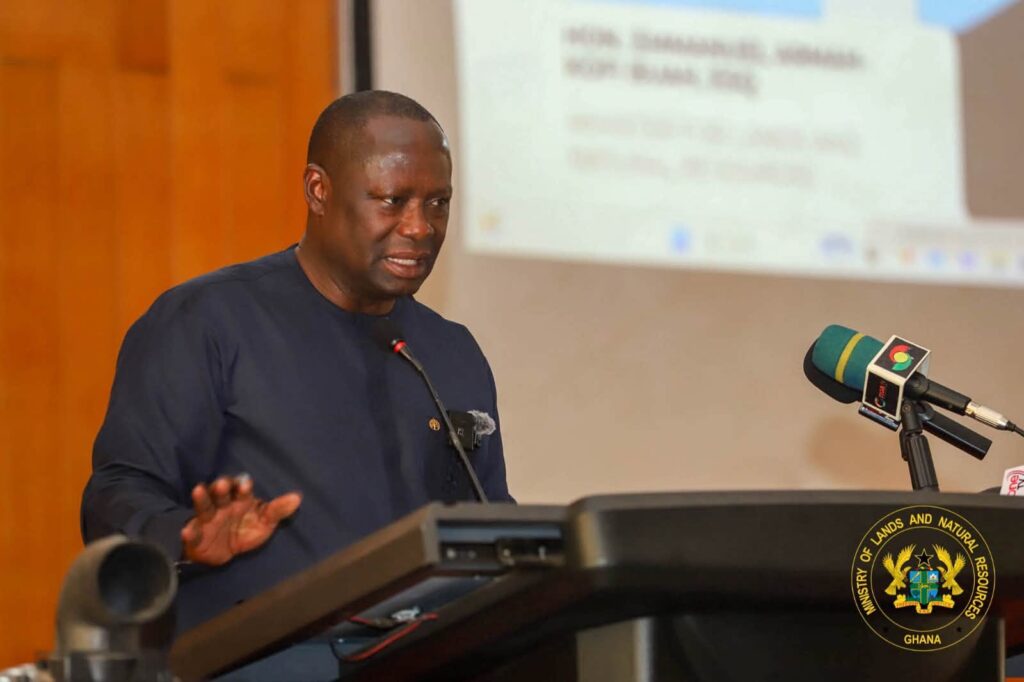
He outlined comprehensive operational pathways, including streamlined business registration, dedicated investment facilitation, fiscal incentives, and structured guidance through multi-tier regulatory compliance.
In response, Mr Syed Faysal Hussain Naqvi, Chief Executive Officer of GASCO Engineering Ltd, expressed a strong intent to establish a permanent corporate presence in Ghana.
Mr Naqvi noted that his firm plans to leverage its extensive engineering expertise built through high-profile international partnerships with energy majors ENI and BP to build resilient, heavy-duty infrastructure across the nation’s energy and mining corridors.
Catalyzing Capital Injection in the Mining and Energy Sub-Sectors
The drive to secure international technical equity comes at a crucial juncture for West Africa’s natural resource framework.
As developing economies attempt to move away from primary raw material exportation, attracting engineering partners capable of deploying heavy capital becomes imperative.
Ghana’s extractive ecosystem requires continuous capital inflows to modernise existing extraction infrastructure and launch deep-target mineral exploration.
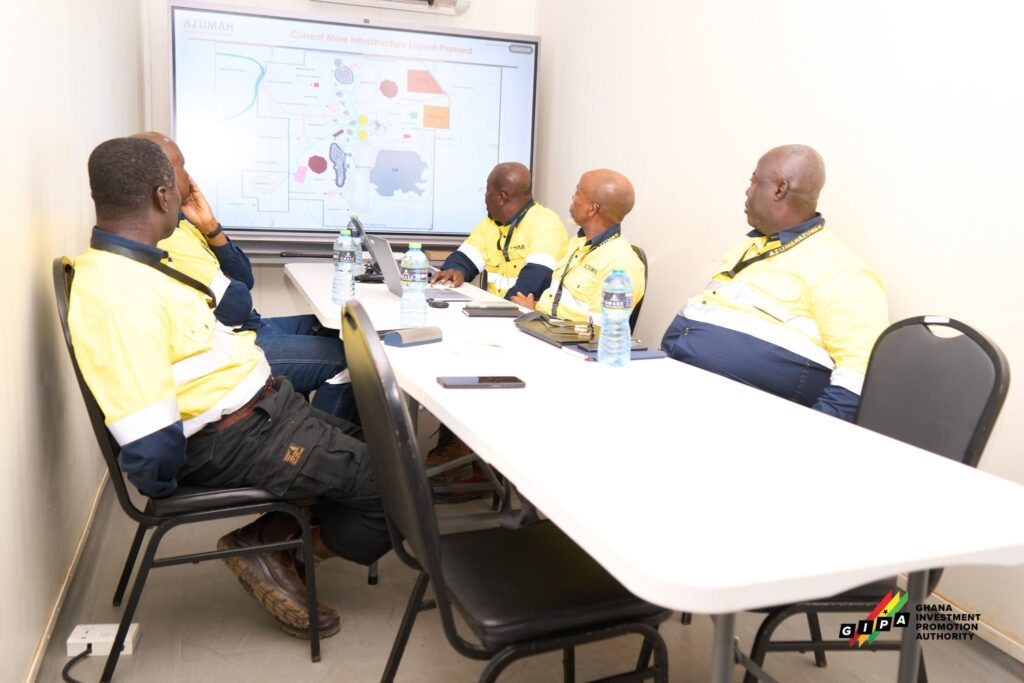
By targeting experienced engineering conglomerates, state facilitators aim to reduce operational bottlenecks that traditionally slow down exploratory projects.
Private sector participation brings not only financial capital, but also specialized technology required to optimise mineral recovery rates and extend the lifecycle of mature mining assets.
Strategic Synergies in Upstream Oil, Gas, and Mineral Extraction
GASCO Engineering’s prospective entry into Ghana brings a proven track record of handling high-pressure engineering mandates alongside global energy giants like BP and ENI.
The integration of such expertise into the domestic midstream and upstream sector enhances local capacity, ensuring complex industrial projects meet international quality benchmarks.

Furthermore, expanding investment beyond traditional gold assets into base metals like copper aligns with regional industrial diversification strategies.
Developing local copper reserves provides essential feedstocks for industrial manufacturing, electrical grid expansion, and renewable energy technology, positioning the national economy as a balanced mineral processing hub within the sub-region.
Regulatory Alignment, Local Content, and Environmental Stewardship
Securing sustainable foreign direct investment depends heavily on transparent regulatory frameworks and strong local content mandates.
GIPA’s structured facilitation process ensures incoming enterprises comply with environmental regulations, land reclamation protocols, and local employment quotas prior to commercial rollout.
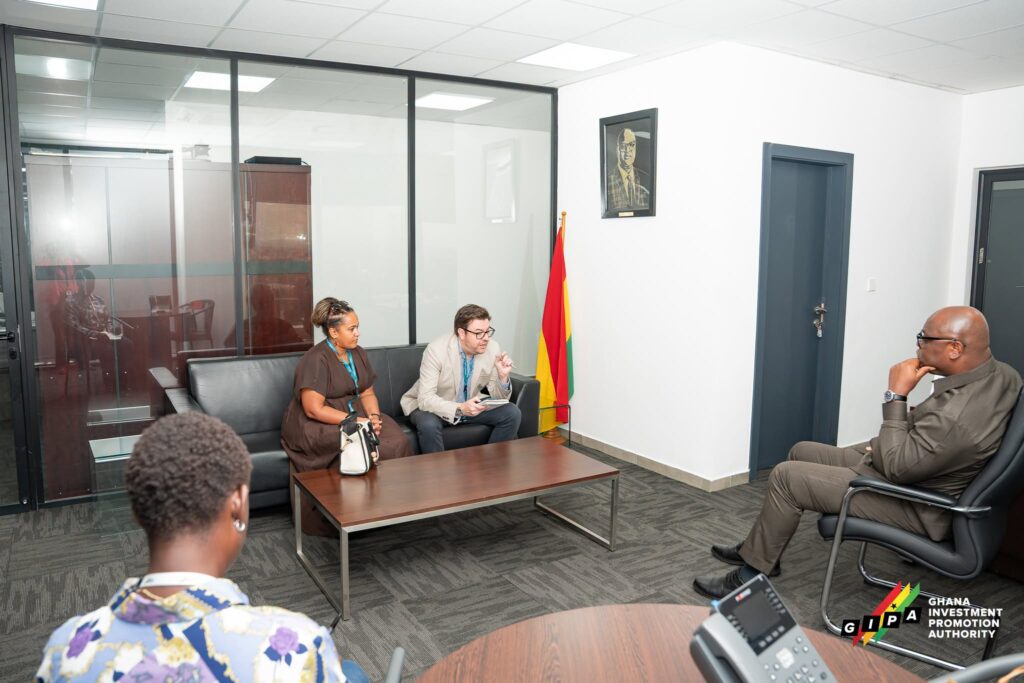
Mr Naqvi’s emphasis on skills transfer and environmental protection reflects a modern industrial strategy where community benefit and ecological responsibility share equal footing with yield generation.
As foreign industrial players anchor their regional hubs domestically, structured knowledge transfer will empower local engineers and technicians, building domestic capability that safeguards long-term economic resilience across the resource sector.
READ ALSO: Ghana Seeks Stronger Voice in Global Digital Governance