Ghana is strengthening its agricultural preparedness systems as the country faces potential climate disruptions from a developing El Niño event expected to influence rainfall and temperature patterns from November 2026 into the first half of 2027.
The Ghana Meteorological Agency (GMet) has warned that the phenomenon could intensify prolonged dry spells, rainfall variability and higher temperatures, potentially affecting crop production, livestock management, water availability and the livelihoods of farming communities.
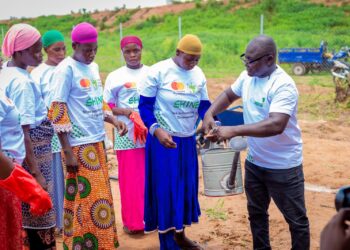
In response, the Food and Agriculture Organization of the United Nations (FAO), in collaboration with national institutions and local authorities, is implementing measures to strengthen disaster risk reduction, improve climate information services and enable farming communities to anticipate and respond to potential weather-related threats.
“Ghana’s preparedness efforts are focused on strengthening early-warning systems and enabling vulnerable communities to act before climate-related hazards translate into agricultural and livelihood losses.”
Food and Agriculture Organisation
Strengthening Agricultural Risk Preparedness
The initiative, supported financially by the governments of Canada and Norway, brings together GMet, the National Disaster Management Organisation (NADMO), the Ministry of Food and Agriculture (MoFA), District Assemblies and local communities.
At the national level, FAO is working with NADMO to develop a National Disaster Risk Reduction Strategy and Action Plan, alongside a National Early Warning and Anticipatory Action Stakeholder Platform.
The importance of these interventions is underscored by agriculture’s vulnerability to changing weather conditions. Rainfall variability can disrupt planting schedules, affect crop establishment and reduce soil moisture, while prolonged dry spells can increase production costs and threaten farm incomes.
According to the World Meteorological Organisation (WMO), El Niño is a natural climate phenomenon characterised by abnormal warming of surface waters in the central and eastern tropical Pacific Ocean. It influences global atmospheric circulation and can increase the likelihood of significant changes in rainfall and temperature patterns.
However, its effects are not uniform across countries or regions. Ghana’s exposure will depend on local climatic conditions and the interaction of El Niño with other weather systems.
The proposed national stakeholder platform is therefore expected to improve communication between meteorological authorities, agricultural institutions, disaster management agencies and local authorities.
“Effective agricultural preparedness requires more than forecasting potential hazards. It requires institutions to coordinate their responses and ensure that farmers receive climate information early enough to make informed production decisions.”
World Meteorological Oraganisation
Early Warnings to Protect Farm Production
FAO’s intervention places emphasis on strengthening the dissemination and use of weekly weather forecasts, seasonal climate outlooks, hazard alerts and early-action advisories.
These information products are expected to help farmers and local authorities make decisions at different stages of the agricultural season.
Also, seasonal forecasts can support decisions on crop selection, planting periods and resource allocation, while weekly weather updates can provide information for immediate farm-level activities.
For crop farmers, access to reliable rainfall information can help minimise the risks associated with planting too early or investing in seeds and other inputs before suitable growing conditions emerge.
Livestock farmers may also benefit from advance information that allows them to prepare adequate water supplies, provide shade and seek appropriate animal-health support during periods of excessive heat.
However, the effectiveness of these measures will depend on whether farmers receive sufficiently detailed and location specific information.
A general warning about possible rainfall variability may not provide enough guidance for a farmer deciding when to plant or whether to invest in particular seeds.
Access to suitable agricultural inputs, irrigation facilities, extension services and alternative planting materials will also influence farmers’ ability to respond to changing weather conditions.
“Timely and accessible climate information can help farmers adjust production decisions, protect livestock and manage available water resources before adverse weather conditions affect their livelihoods.”
Food and Agricultural Organisation
Building Resilient Farming Communities
Beyond agricultural interventions, the preparedness initiative seeks to strengthen the capacity of local institutions to identify climate-related risks and coordinate early responses.
This is particularly important because the effects of El Niño are not necessarily uniform across Ghana. Different agricultural zones may experience varying rainfall patterns and temperature conditions, requiring preparedness measures that reflect local circumstances.
The availability of resources will also determine whether communities can implement recommended actions. Protecting livestock, preparing water supplies and adjusting farming schedules may require financial assistance, agricultural inputs, technical guidance and access to alternative resources.
The initiative’s expected outcomes by 2027 include improved disaster risk governance, better-prepared communities, reduced losses and damages, and stronger institutional capacity to anticipate and manage climate-related risks.
Nevertheless, the specific geographical areas receiving priority assistance, the amount of financial support committed and the operational thresholds for activating early action have not been detailed in the announcement.
These will be important considerations as the intervention progresses, particularly in ensuring that warnings translate into practical assistance for vulnerable farming communities.
The development of the national strategy and stakeholder platform must therefore be accompanied by clear institutional responsibilities, consistent information-sharing arrangements and adequate resources for implementation.
“The ultimate measure of Ghana’s El Niño preparedness will be whether climate warnings translate into timely interventions that protect agricultural production, water resources and vulnerable farming livelihoods.”
Food and Agriculture Organisation
The El Niño event develops, the effectiveness of the initiative will depend on the ability of national agencies, district authorities and farming communities to translate scientific forecasts into coordinated and practical action on the ground.
READ ALSO:Ato Forson Redirects Fiscal Surplus to Fund $10bn New Economy