
The Executive Director of the World Food Programme (WFP), Luke J. Lindberg, has called for an urgent end to the protracted conflict in Sudan, warning that millions of people remain trapped in a worsening hunger crisis as fighting continues to displace families and undermine humanitarian operations.
WFP Chief, Luke J. Lindberg made the appeal after meeting families forced to flee their homes and struggling to provide food for their children during his first field mission as head of the UN food assistance agency.
According to the WFP Executive Director, humanitarian assistance alone cannot resolve a crisis driven by continued violence.
“The fighting must end. People facing acute hunger have three unfortunate choices: rebel, migrate, or starve. For many, WFP is their only hope in a time of unprecedented conflict. While WFP is doing incredible work in Sudan, we cannot do it alone.”
Luke J. Lindberg
WFP Chief added, “it is time for world, national, and local leaders to do their part and call for an end to conflict. We cannot outfeed the war.”
Hunger Crisis Intensifies, Food Assistance Declines
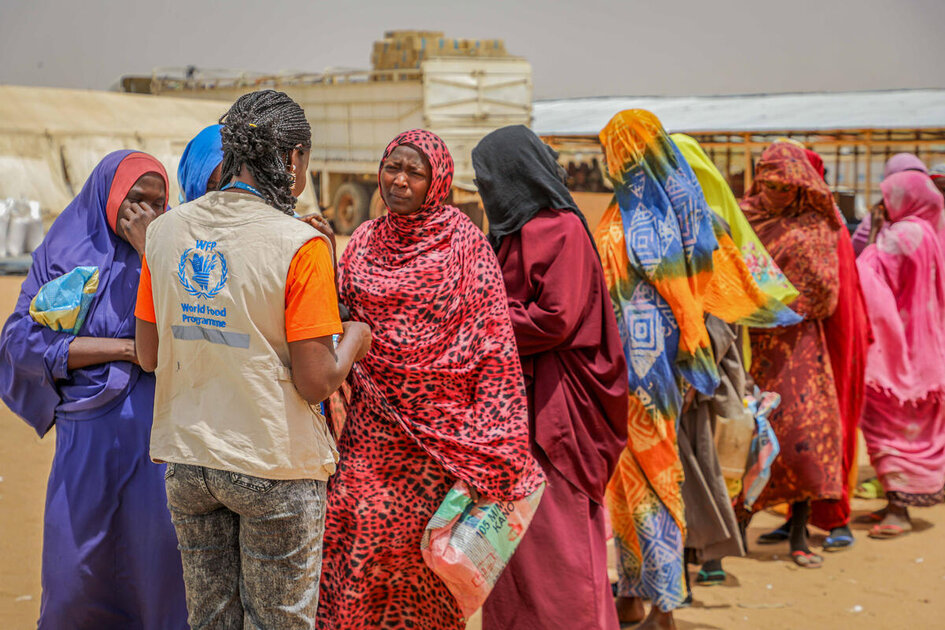
Meanwhile, the funding crisis has forced the WFP to reduce the scale of its humanitarian response, leaving hundreds of thousands of people without critical food support as humanitarian needs continue to mount across Sudan.
In August, the agency supported more than four million people, including 880,000 in areas at risk of famine.
However, funding constraints forced the World Food Programme to begin cutting its caseload in September, resulting in an estimated 900,000 vulnerable people losing access to food assistance over recent months.
The reductions have left families already devastated by displacement and prolonged fighting with increasingly limited means of survival.
The World Food Programme is currently reaching just over three million people across the country, significantly fewer than the number it supported in August.
The deteriorating situation is compounded by rising food and fuel prices, which have made basic staples increasingly unaffordable for households struggling to meet their daily needs.
Drone Strikes Disrupt Essential Services and Livelihoods
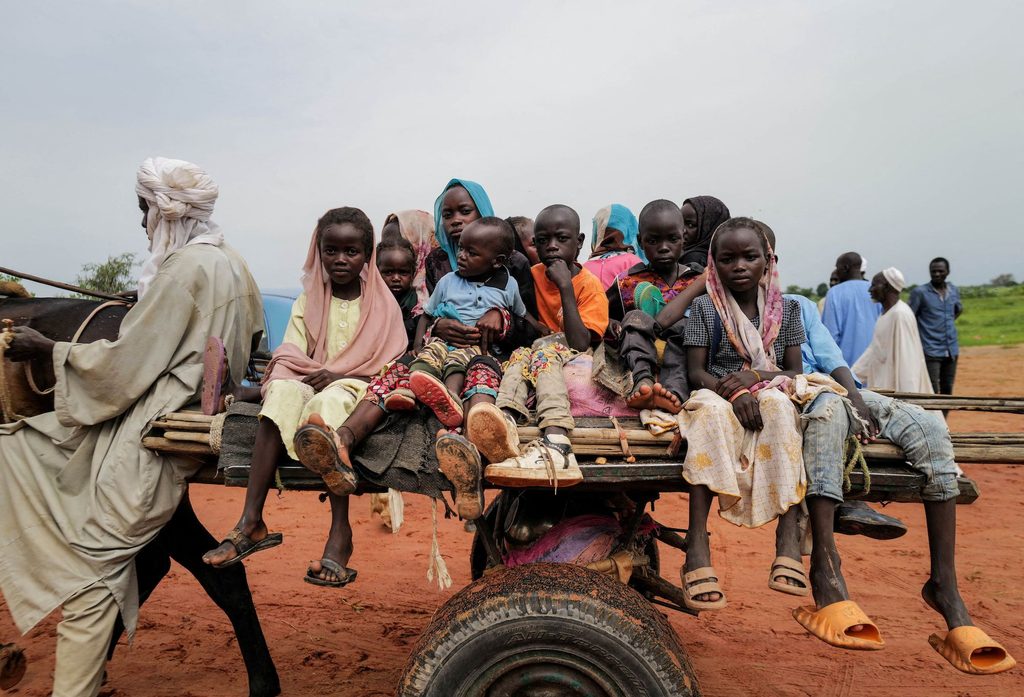
The growing food emergency is unfolding alongside escalating attacks on critical infrastructure, with drone strikes increasingly threatening electricity supplies, water access and agricultural production.
In an earlier warning, the UN Children’s Fund (UNICEF) raised concerns about unprecedented attacks on Sudanese infrastructure, reporting that drones capable of travelling up to 1,500 kilometres had struck power stations across the country.
UNICEF spokesperson James Elder stated, “it is an assault unlike anything Sudan has seen before. In the last week of October, not a single day passed without a drone strike on a power station in Sudan. Up to 15 were hit in the month of October.”
The attacks have exacerbated the conflict’s humanitarian effects by causing damage to electricity infrastructure, which disrupts water pumping and treatment systems and forces families to rely on costly and possibly dangerous alternatives.
They have also put pressure on agricultural production, with farmers finding it difficult to run irrigation pumps due to power outages and high fuel prices, endangering harvests, driving up food prices, and further undermining access to basic supplies.
Moreover, UNICEF has warned that drone attacks are bringing the conflict into areas previously considered safe, with children increasingly exposed to violence and the destruction of essential services.
WFP Seeks $520 Million to Sustain Lifesaving Assistance
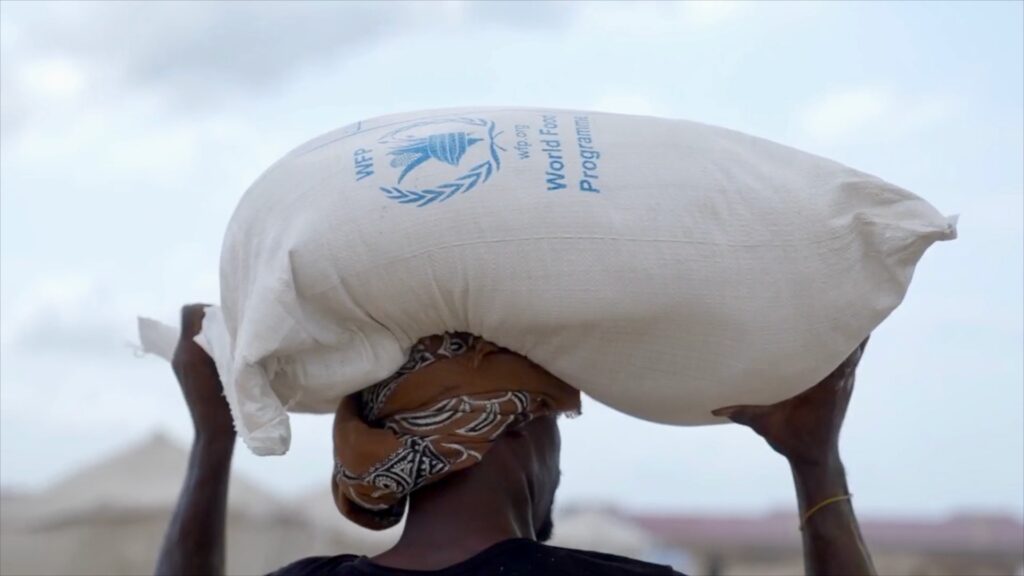
In light of this, WFP is requesting more international assistance to sustain and broaden its humanitarian response, cautioning that current resources are insufficient to address the scope of needs throughout Sudan.
The agency urgently requires US$520 million to deliver lifesaving food and nutrition assistance to 5.4 million people through April 2027.
The Executive Director of the World Food Programme (WFP), Luke J. Lindberg, stressed that ending the conflict remains essential to addressing the country’s hunger emergency.
“In the simplest of terms, peace opens the door to food while conflict opens the door to hunger. Everyone, from senior government officials to the displaced families I met with, clearly understands this. With collective action and additional resources, we can turn this crisis around.”
Luke J. Lindberg
WFP Chief added, “WFP has teams on the ground and stands ready to scale our assistance.”
READ ALSO: Italy Faces Fresh Bomb Threats Targeting 1,800 Schools