The commercial future of Ghana’s Voltaian Basin will depend on the country’s ability to translate geological research into credible exploration evidence, while addressing the operational and community-related risks that could influence investor participation.
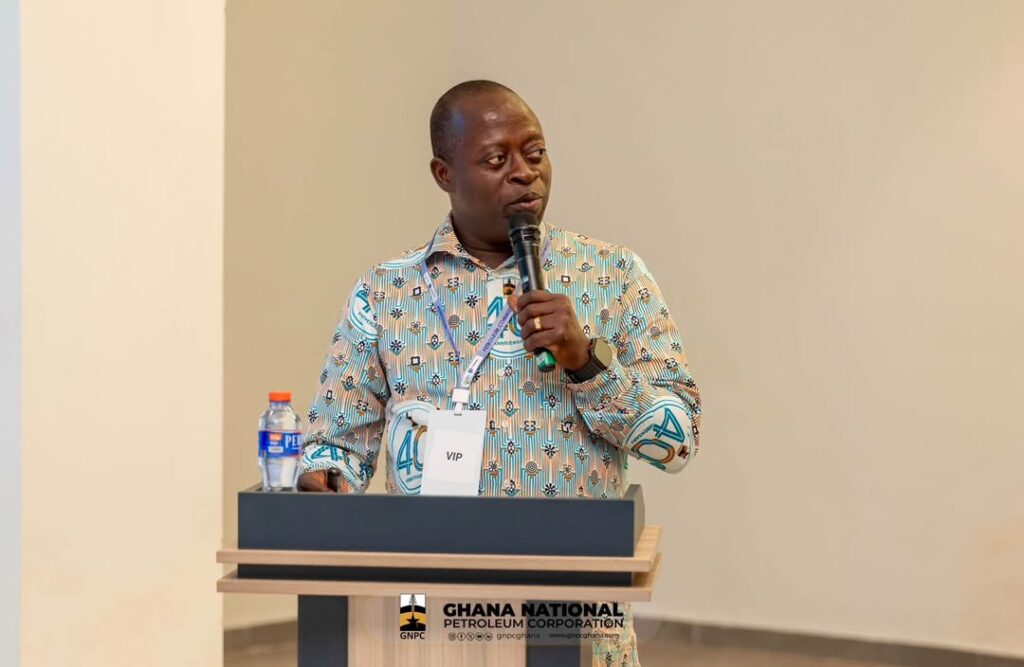
GNPC’s Deputy Chief Executive in charge of Exploration and Production, Michael Aryeetey, has emphasised that although the basin presents an opportunity for exploration investment, its petroleum potential must be established through further geological assessment and drilling.
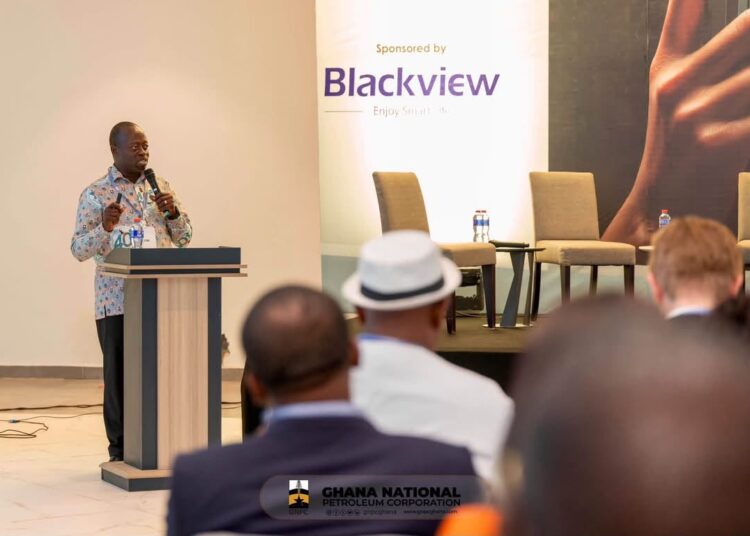
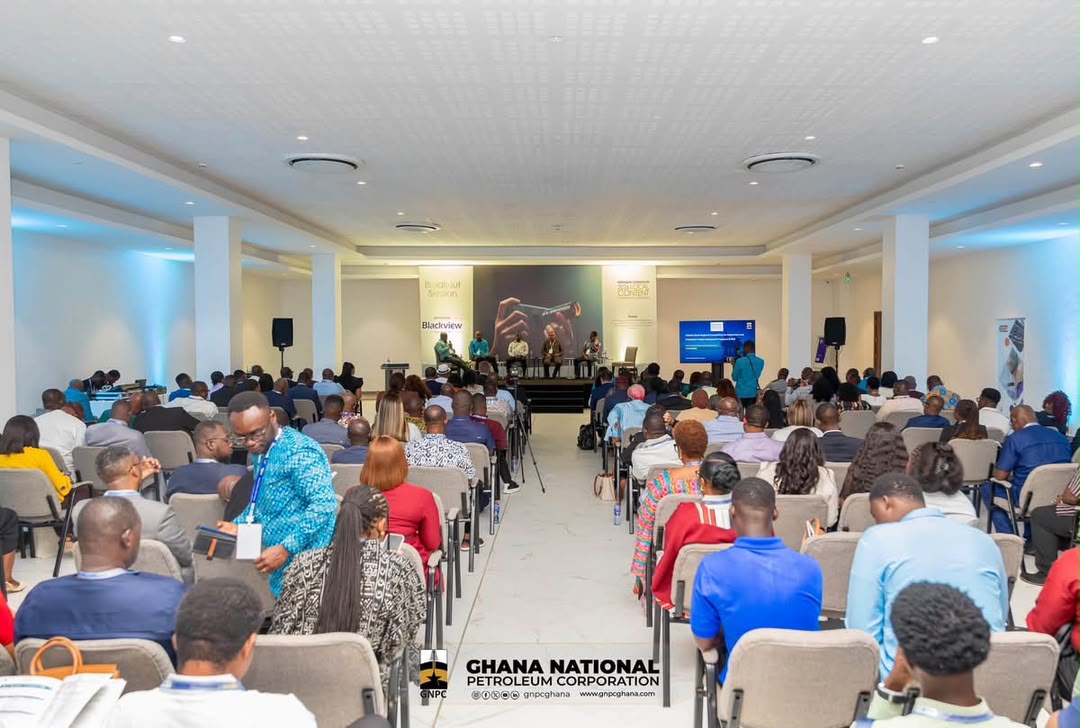
Speaking at the 2026 Local Content Conference and Exhibition (LCCE2026) in Takoradi, Mr Aryeetey said the basin should be approached as a scientifically credible exploration prospect rather than an already established producing petroleum province.
“We are not presenting a proven producing province; we are presenting a scientifically credible exploration opportunity that merits serious evaluation.”
His remarks offer an important distinction as Ghana prepares to expand petroleum exploration beyond its established offshore producing areas.
While the Voltaian Basin has attracted attention as a potential frontier for onshore petroleum exploration, the transition from geological prospectivity to commercially viable discoveries remains uncertain.
The basin’s investment appeal will therefore depend on whether exploration activities can produce sufficient evidence to justify the financial and technical commitments required from prospective investors.
Geological Evidence Must Precede Commercial Expectations
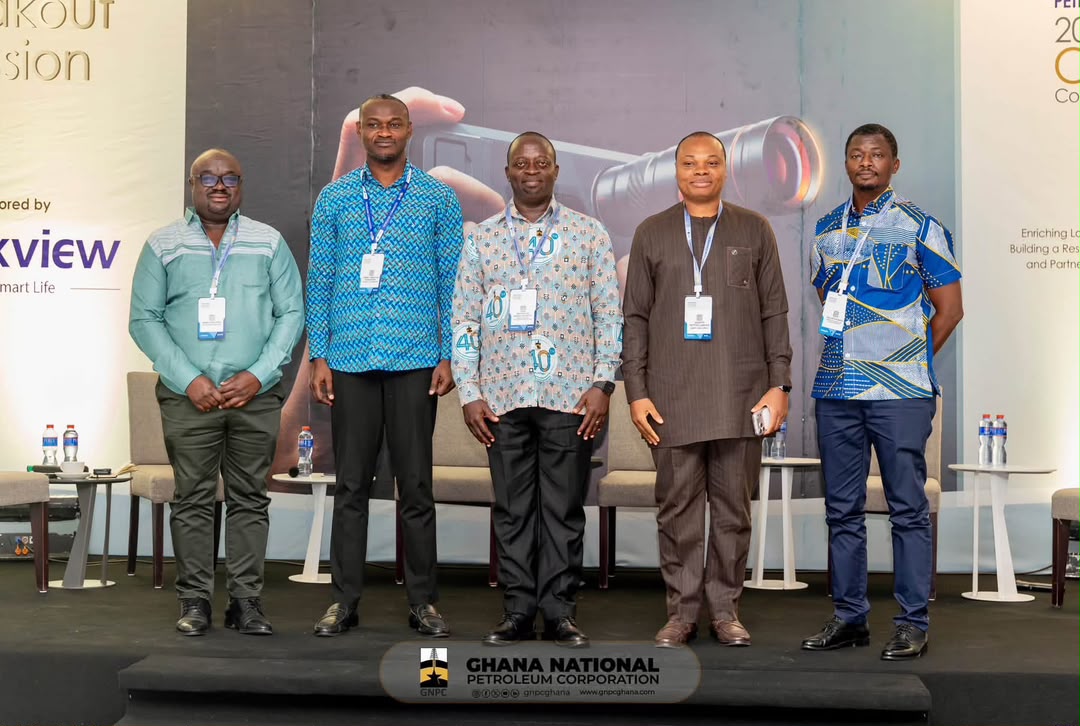
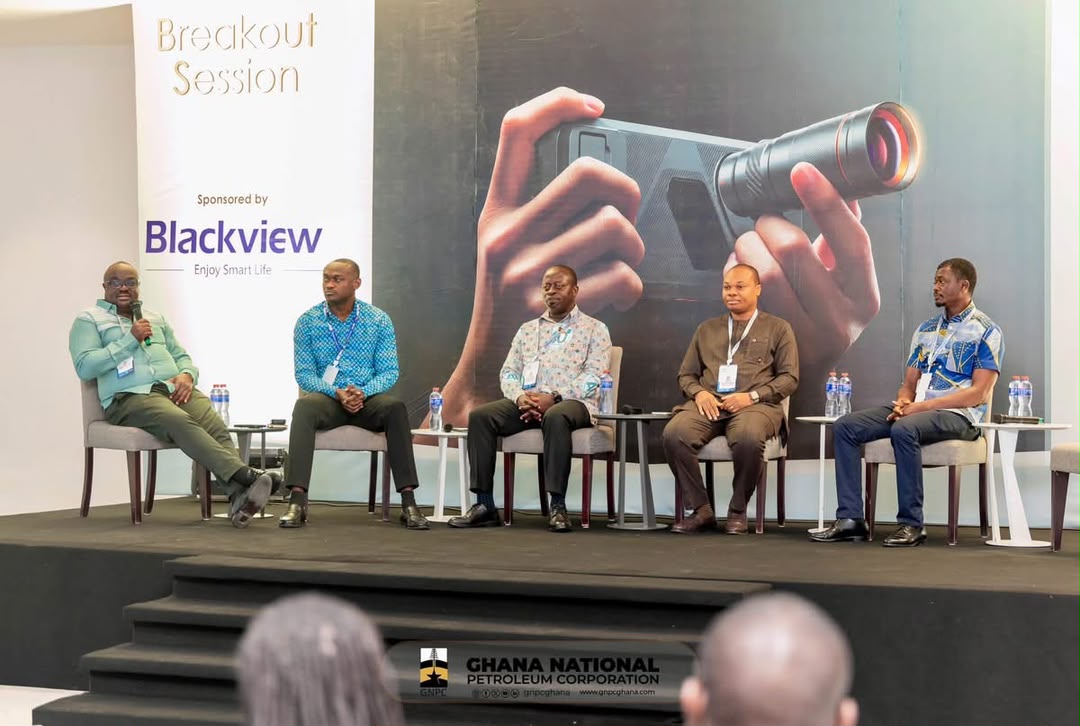
During a subsequent panel discussion on Voltaian Regional Competition for E&P Investment: Prospects & Risks, Mr Aryeetey highlighted the importance of continued geological assessment and exploration drilling in strengthening investor confidence.
The emphasis reflects the realities of frontier exploration, where companies must make investment decisions before the existence of commercially recoverable petroleum resources has been established.
Unlike producing petroleum provinces, where investors can assess existing reserves, production performance and established infrastructure, frontier areas carry considerable geological uncertainty.
Companies considering entry into such areas must evaluate the available geological information, the quality of exploration data, the potential size of resources and the technical risks associated with drilling.
For the Voltaian Basin, continued geological work and the proposed first exploration well are therefore important steps towards reducing uncertainty.
GNPC Explorco has been advancing preparations for the basin’s first exploration well, an undertaking that could provide valuable information about its petroleum potential.
However, the significance of the well will extend beyond whether hydrocarbons are encountered. Its findings could help improve understanding of the basin’s geological structure, inform subsequent exploration decisions and provide additional evidence for prospective investors.
A successful exploration outcome could strengthen interest in further activities, while inconclusive results would also provide information relevant to future investment decisions.
This makes it important for expectations surrounding the basin to remain grounded in the available scientific evidence. Exploration potential should not be confused with confirmed reserves, and a geological prospect does not automatically translate into a commercially viable petroleum discovery.
Community Engagement Could Influence Exploration Progress
Beyond the geological considerations, Mr Aryeetey identified sustained community engagement as an important part of preparing the Voltaian Basin for exploration investment.
The emphasis is significant because onshore petroleum exploration creates a different set of operational considerations from offshore activities.
Exploration companies working on land may have to engage directly with traditional authorities, landowners, farmers, local government representatives and communities whose activities could be affected by exploration operations.
Without adequate engagement, misunderstandings over access, land use, environmental concerns and compensation can create disputes that delay project activities.
For prospective investors, these issues form part of the broader assessment of operational risk. Geological potential may attract initial interest, but companies must also consider whether they can conduct exploration activities within a predictable regulatory and community environment.
Mr Aryeetey consequently stressed the importance of proper land mapping and clear compensation arrangements as part of the preparations for exploration.
Land Mapping And Compensation Matter
Land access is particularly important in onshore exploration because companies need to identify the areas required for surveys, drilling infrastructure and related operational activities.
Proper land mapping can help establish the boundaries of affected properties and identify the individuals, families or communities with legitimate interests in the land.
This can reduce uncertainty over access rights and provide a clearer basis for engagement before exploration activities begin.
Compensation arrangements are equally important. Where land use or exploration operations affect livelihoods, assets or property, affected parties need clarity on how their interests will be assessed and addressed.
Unclear compensation procedures can create disagreements that extend beyond individual project sites and affect relationships between companies and host communities.
For Ghana, the need to address these issues early is important if the Voltaian Basin is to develop as a credible investment destination.
Community engagement should not be treated as a one-time requirement undertaken only when companies are preparing to drill.
It needs to continue throughout the exploration process, with affected communities receiving appropriate information about proposed activities and the possible implications for their land and livelihoods.
A transparent approach could help build trust, reduce avoidable disputes and provide companies with a more predictable environment in which to operate.
Frontier Exploration Requires Long-Term Commitment
The discussion at LCCE2026 also highlights the investment challenge facing Ghana as it seeks to diversify its petroleum exploration portfolio.
The country has historically concentrated its commercial petroleum production in offshore areas. Developing the Voltaian Basin would introduce a new frontier into the national exploration landscape, but that opportunity will require sustained technical work and long-term investment.
Frontier exploration is inherently uncertain and can require substantial expenditure before companies establish whether a prospect contains commercially recoverable resources.
The availability of credible geological data, a predictable regulatory framework and effective engagement with host communities can therefore influence whether investors are willing to commit capital.
For GNPC and its exploration subsidiary, the immediate priority is to advance the technical work necessary to establish the basin’s potential while ensuring that the associated operational and social considerations are properly managed.
The first exploration well will be an important milestone, but it should be understood as part of a longer process rather than the final measure of success.
Ghana’s ability to attract sustained investment will depend on what the geological evidence reveals, how exploration risks are managed and whether the country can establish conditions that allow companies to undertake activities responsibly.
Ultimately, the Voltaian Basin represents an exploration opportunity whose commercial value remains to be established. Mr Aryeetey’s remarks underline the need to balance investor expectations with scientific evidence, while recognising that community relations, land access and compensation arrangements will be important to the basin’s exploration prospects.
READ MORE: KATH and KNUST Renew Partnership to Strengthen Healthcare Delivery