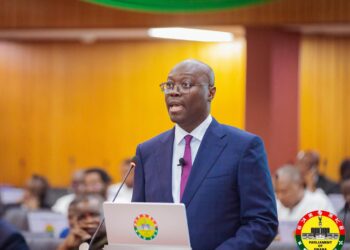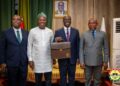
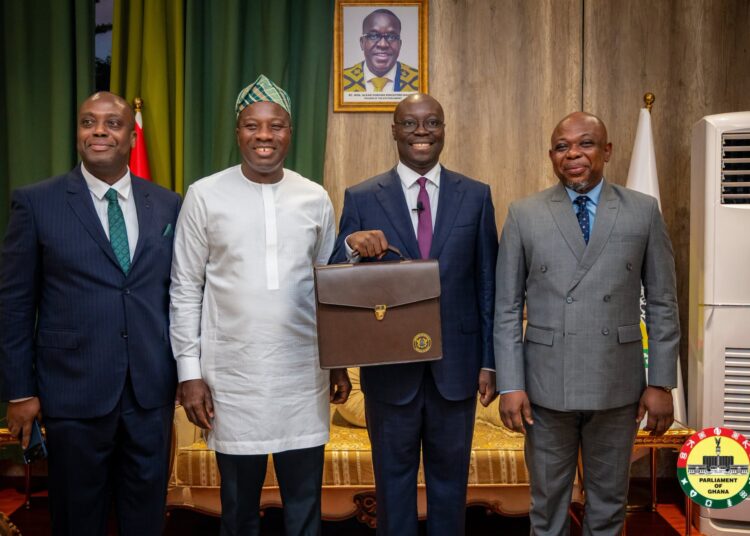
Ghana’s Finance Minister Dr Cassiel Ato Forson has declared that the sacrifices Ghanaians made during the economic reset must now deliver lasting improvements in their lives. He made the declaration in the closing passage of the 2027 Budget Statement, which he read to Parliament on Thursday, November 12, 2026.
Dr Forson argued that stabilisation has laid the foundation and that the next phase must build an economy that produces more, keeps more value at home and creates productive jobs. He tied the pledge to the fiscal space the government has recovered, which he described as a national asset held in trust and protected by permanent fiscal discipline.
“Their sacrifices must now yield lasting improvements in their lives.”
Ghana’s Finance Minister Dr Cassiel Ato Forson
Dr Forson began by returning to the voters. Two years ago, he recalled, they gave the government a mandate born of hardship. Families watched rising prices erode their incomes, pensioners saw a lifetime of savings lose value, and businesses faced uncertainty, high borrowing costs and a currency they could not plan around.
Voters wanted responsible leadership, competent economic management and a government that accounts for the use of their money, he stated. The reset that President John Dramani Mahama promised was the government’s solemn commitment to meet that demand.

Ministers confronted disorder in the public finances, restrained wasteful spending and took difficult decisions, and Ghanaians carried the burden of those choices with “extraordinary patience.”
Stability Restored
The Minister listed what he considers the results. Inflation has fallen, growth has recovered, the debt burden has declined, and reserves have improved. In less than two years, he claimed, Ghana has restored stability and rebuilt confidence, and the gains belong to the people.
The government made the same case when Dr Forson declared Ghana’s economic crisis officially over and announced economic victory as it launched a new $10 billion programme.
Dr Forson named three ways in which citizens should feel the change. Workers should see it in what a salary can buy. Business owners should find the confidence to invest and employ. Young Ghanaians should have a fair chance to turn education, skills and hard work into a decent livelihood.
The tests point to the labour market, where figures remain hard. Ghana in Numbers, 2025 puts youth unemployment among 15 to 24-year-olds at 32.4 percent for the first three quarters of the year, and it finds that more than 70 percent of jobs are informal. The next phase of the reset will be judged against those numbers.
Fiscal Space as Recovered Freedom
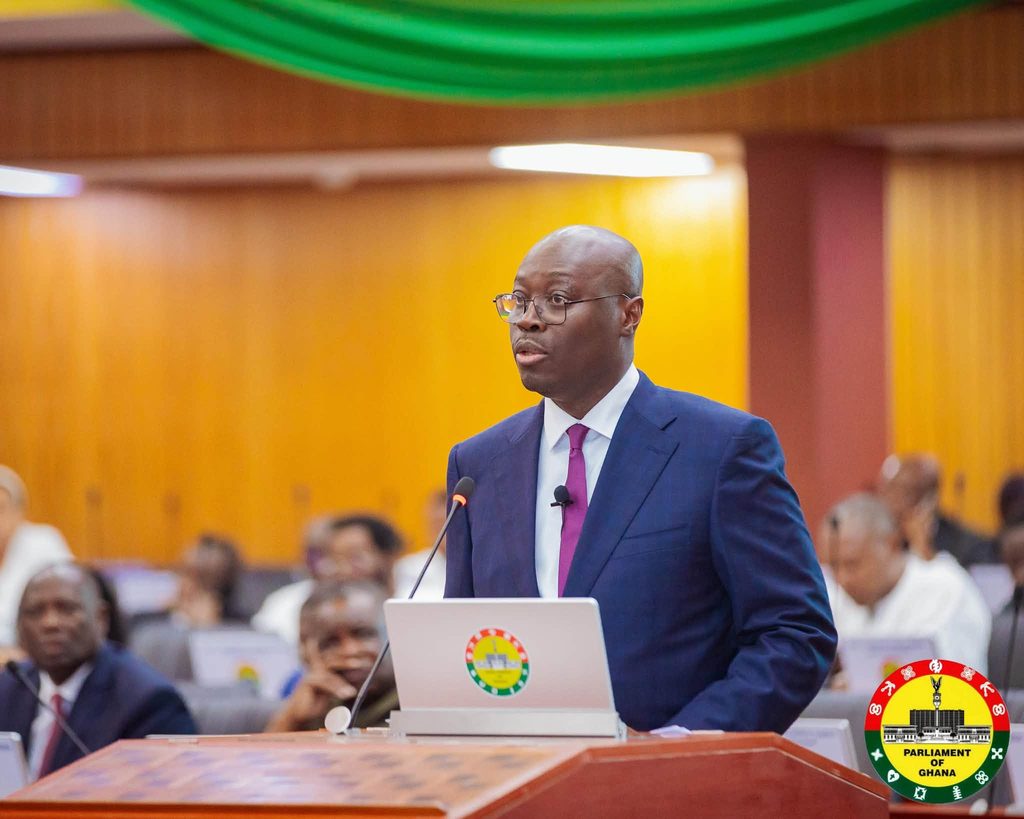
Dr Forson used the budget’s conclusion to define a term he returns to often. “Fiscal space is more than room in a budget. It is recovered national freedom.” In his reading, that freedom gives the government capacity to invest in the future and to make choices that serve Ghana beyond the next emergency.
The 2027 spending plan puts that principle into practice. It sets aside more for capital projects than for interest or wages, as the government’s capital spending plan shows, and it commits to full funding for the Accra-Kumasi Expressway.
Dr Forson argued that stronger reserves bring “strategic autonomy.” They give Ghana the freedom to take a longer view of its national assets, to defend its priorities and to pursue investments for their full development potential.
The freedom matters, he stressed, in a world where development assistance is changing, trade tensions are rising, and access to international capital can tighten without warning. Ghana must build the productive strength to withstand those pressures and protect its own economic interests.
Discipline as a Permanent Obligation
The Minister framed the recovered fiscal space as a national asset bought with the people’s sacrifices. “We hold it in trust,” he told the House, and every decision to spend it must respect the hardship that produced it.
He promised that the government will not let it become a path back to waste, unsustainable obligations and economic crisis. Fiscal discipline, he stated, must endure as a permanent obligation of government.
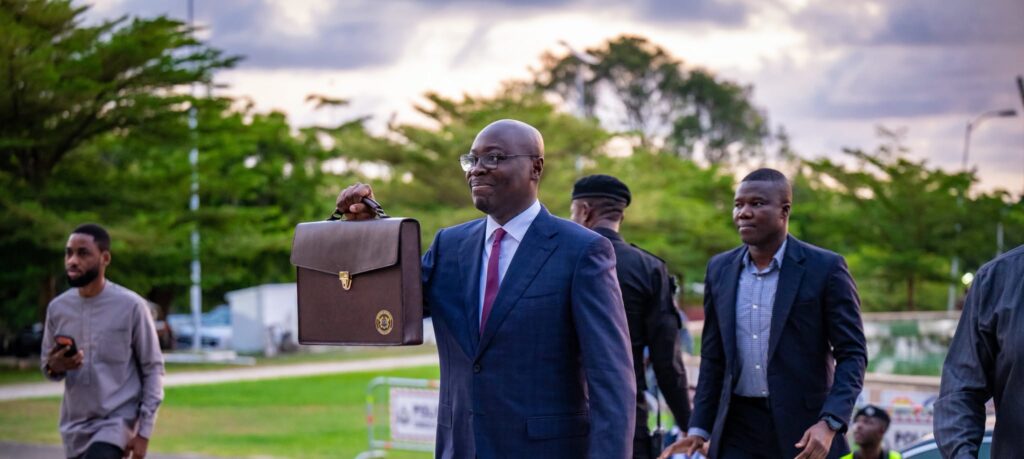
Dr Forson asked history to record that when Ghana regained its footing, it used that strength to build, and that the sacrifices of citizens helped secure an economy in which the next generation could work, prosper and face the future with confidence.
The country has restored the freedom to choose, he argued, and it must now choose a future worthy of what brought it there. The New Economy, he explained, will create a Ghanaian dream in which every citizen, whatever their background, can reach their full potential through hard work and perseverance.
The programme targets a jobs boom and 8 percent GDP growth by 2030. Dr Forson closed by thanking the House. The first full year of the 2027 Budget will show whether the sacrifices he honours turn into higher wages, more jobs and finished roads, or whether the promise stays on paper.
READ ALSO: Ghana Lowers 2027 Oil Benchmark To Protect Revenue