• About
  • Advertise
  • Privacy Policy
  • Contact
Thursday, May 14, 2026
  • Login
The Vaultz News
  • Top Stories
  • News
    • General News
    • Education
    • Health
    • Opinions
  • Economics
    • Economy
    • Finance
      • Banking
      • Insurance
      • Pension
    • Securities/Markets
  • Business
    • Agribusiness
    • Vaultz Business
    • Extractives/Energy
    • Real Estate
  • World
    • Africa
    • America
    • Europe
    • UK
    • USA
    • Asia
    • Around the Globe
  • Innovation
    • Technology
    • Wheels
  • Entertainment
  • 20MOBPL2DNew
  • Jobs & Scholarships
    • Job Vacancies
    • Scholarships
No Result
View All Result
The Vaultz News
  • Top Stories
  • News
    • General News
    • Education
    • Health
    • Opinions
  • Economics
    • Economy
    • Finance
      • Banking
      • Insurance
      • Pension
    • Securities/Markets
  • Business
    • Agribusiness
    • Vaultz Business
    • Extractives/Energy
    • Real Estate
  • World
    • Africa
    • America
    • Europe
    • UK
    • USA
    • Asia
    • Around the Globe
  • Innovation
    • Technology
    • Wheels
  • Entertainment
  • 20MOBPL2DNew
  • Jobs & Scholarships
    • Job Vacancies
    • Scholarships
No Result
View All Result
The Vaultz News
No Result
View All Result
in Economy

Ghana’s Currency Woes, Turning Crisis into Economic Opportunity

Lawrence Ankutseby Lawrence Ankutse
May 15, 2024
Reading Time: 4 mins read
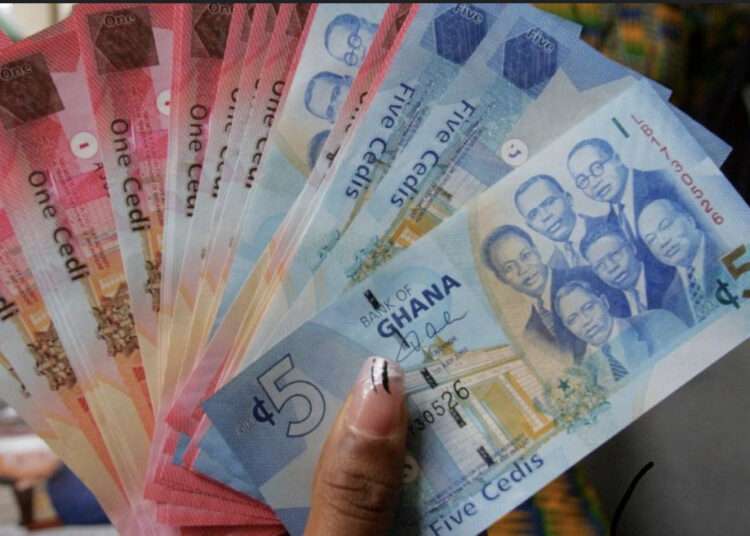
Cedi notes

Cedi notes

In recent economic discussions, the depreciation of a local currency often carries negative connotations, representing economic instability and rising import costs. 

However, a closer examination reveals that this trend can have unexpected benefits for certain economies, particularly those with a robust export sector. 

Ghana, unfortunately, finds itself on the challenging end of this spectrum due to its heavy reliance on imports and underdeveloped industrial base.

The depreciation of Ghana’s currency, the cedi, is not merely a financial anomaly but a symptom of deeper economic issues. 

ADVERTISEMENT

Over the years, Ghana has struggled to evolve into an industrialized nation, choosing instead to focus on raw material exports while importing finished goods. 

This economic model, while functional in the short term, has left the country vulnerable to currency fluctuations and global market shifts.

In light of recent events, such as China’s strategic use of currency depreciation to bolster its export competitiveness, Ghana’s predicament becomes clearer. 

For export giants like China, a devalued currency can drive down the cost of goods internationally, making them more competitive in global markets. 

If Ghana had successfully diversified its economy and embraced industrialization, the current depreciation crisis could have been a boon rather than a burden.

According to a working paper by the International Monetary Fund (IMF), titled: The Effects of Exchange Rate Fluctuations on Output and Prices: Evidence from Developing Countries, “A depreciation (or devaluation) of a domestic currency may stimulate economic activity through the initial increase in the price of foreign goods relative to home goods. By increasing the international competitiveness of domestic industries, exchange rate depreciation diverts spending from foreign goods to domestic goods.”

The reality, however, is starkly different. Ghana’s high dependency on imports means that a depreciated cedi translates into increased costs for businesses and consumers alike. 

As import prices soar, local enterprises face unprecedented challenges, leading to a ripple effect across the economy. From rising inflation to strained businesses, the consequences of this currency devaluation are acutely felt by all sectors.

Despite these challenges, there remains a glimmer of hope. Ghana has the opportunity to reevaluate its economic strategy and pivot towards industrialization. 

ADVERTISEMENT

By nurturing local industries and promoting domestic production, Ghana can harness the benefits of a depreciated currency to bolster its export capabilities. 

A more diversified economy would not only insulate Ghana against future currency fluctuations but also pave the way for sustainable economic growth.

China’s Industrialization Strategy
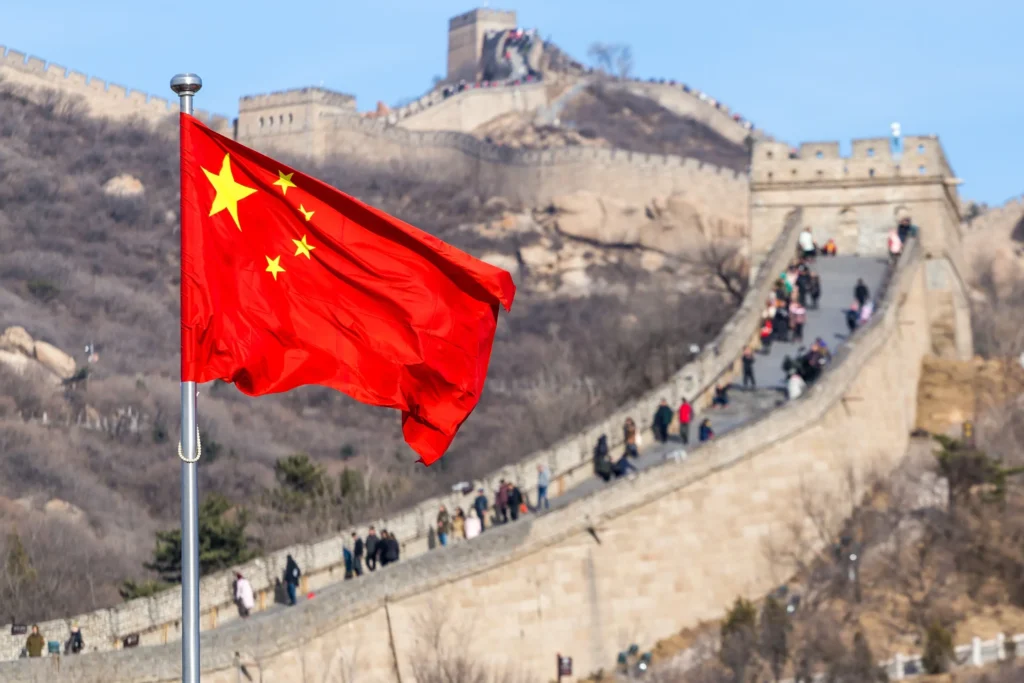
china flag wall
China’s flag

During the transformative period spanning 1978 to 1999, China embarked on a multifaceted reform model that redefined its approach to industrialization. Central to this evolution was a strategic shift away from direct administrative planning towards a more subtle guidance approach. 

Rather than relying solely on top-down directives, the state began leveraging indirect financial tools to influence local-level changes, fostering a more flexible and responsive economic environment.

Another noteworthy change was the declining grip of party control over enterprises, empowering managers with increased autonomy and accountability for daily operations. 

This decentralization of decision-making was further reinforced by linking wages and bonuses more closely to individual performance, incentivizing greater productivity and efficiency within enterprises.

China’s openness to diverse ownership models also played a pivotal role in its industrialization drive. The experimentation with private, small group and collective ownership structures yielded a rich tapestry of ownership forms. 

Moreover, the strategic integration of foreign technology was instrumental in propelling China’s industrialization forward. 

While actively welcoming foreign expertise, China adopted a firm negotiating stance, prioritizing maximum local impact and retaining a degree of control over foreign involvement through limited foreign ownership arrangements.

This comprehensive reform framework not only facilitated China’s transition towards a more market-oriented economy but also laid the groundwork for sustained industrial growth. 

It is not too late for Ghana to rewrite its economic narrative. The current currency depreciation crisis serves as a clarion call for decisive action towards industrialization and economic transformation. By learning the strategies of China with tweaks to suit the local context, Ghana can chart a new course towards becoming a competitive export hub.

READ ALSO: NDC Slams Bawumia for Stealing its Policy Promises for PWDs

Sign Up to Our Newsletter

Fresh updates, Straight to your inbox

Tags: Chinacurrency crisisDepreciationeconomic opportunityghanalocal currency
Share4Tweet2Share1SendSend
Please login to join discussion
Previous Post

AfDB, Stockholm International Peace Research Institute Partner for Conflict Prevention in Africa

Next Post

REGSEC Takes Action Against Sapelliga Illegal Miners Over Environmental and Border Security Concerns

Related Posts

Commodity Markets Tremble as Rising Food Costs Trigger Global Economic Anxiety
Economy

Commodity Markets Tremble as Rising Food Costs Trigger Global Economic Anxiety

May 14, 2026
GFIM Liquidity Boom Pushes Trades Past GH₵1.5bn in One Day
Economy

GFIM Liquidity Boom Pushes Trades Past GH₵1.5bn in One Day

May 14, 2026
Ghana Records Stunning 7.7% Economic Growth Surge
Economy

Ghana Records Stunning 7.7% Economic Growth Surge

May 13, 2026
John Mahama’s Ghana Weighs Critical IMF Shift
Economy

John Mahama’s Ghana Weighs Critical IMF Shift 

May 13, 2026

Sign Up to Our Newsletter

Fresh updates, Straight to your inbox

Recent News

National Chairman of the National Democratic Congress (NDC), Johnson Asiedu Nketiah

Support Mahama to Succeed, Asiedu Nketiah Urges Party Supporters

May 14, 2026
The Capitol is illuminated as the Senate works into the night to finish votes on amendments on the big debt ceiling and budget cuts package, at the Capitol in Washington, Thursday evening, June 1, 2023.

Senators Approve Pay Freeze During Shutdowns

May 14, 2026
Dr. Bernard Okoe Boye, Former Health Minister

Boye Targets Greater Accra Chair As NPP Rebuilds For 2028

May 14, 2026
Dr. Mary Awusi, GFZA CEO, with Representatives at Philbro Group’s New Integrated Refinery Project Site

GFZA Validates Philbro Integrated Refinery Project in Eastern Region

May 14, 2026
3 Faces of Jeffery Nortey Flyer

Jeffrey Nortey’s  “3 Faces of Jeffrey Nortey” Back to National Theatre

May 14, 2026
Next Post
miners on illegal mining fight

REGSEC Takes Action Against Sapelliga Illegal Miners Over Environmental and Border Security Concerns

The Vaultz News

Copyright © 2025 The Vaultz News. All rights reserved.

Navigate Site

  • About
  • Advertise
  • Privacy Policy
  • Contact

Follow Us

Welcome Back!

Login to your account below

Forgotten Password?

Retrieve your password

Please enter your username or email address to reset your password.

Log In
No Result
View All Result
  • Top Stories
  • News
    • General News
    • Education
    • Health
    • Opinions
  • Economics
    • Economy
    • Finance
      • Banking
      • Insurance
      • Pension
    • Securities/Markets
  • Business
    • Agribusiness
    • Vaultz Business
    • Extractives/Energy
    • Real Estate
  • World
    • Africa
    • America
    • Europe
    • UK
    • USA
    • Asia
    • Around the Globe
  • Innovation
    • Technology
    • Wheels
  • Entertainment
  • 20MOBPL2D
  • Jobs & Scholarships
    • Job Vacancies
    • Scholarships

Copyright © 2025 The Vaultz News. All rights reserved.

This website uses cookies. By continuing to use this website you are giving consent to cookies being used. Visit our Privacy and Cookie Policy.

Discover the Details behind the story

Get an in-depth analysis of the news from our top editors

Enter your email address