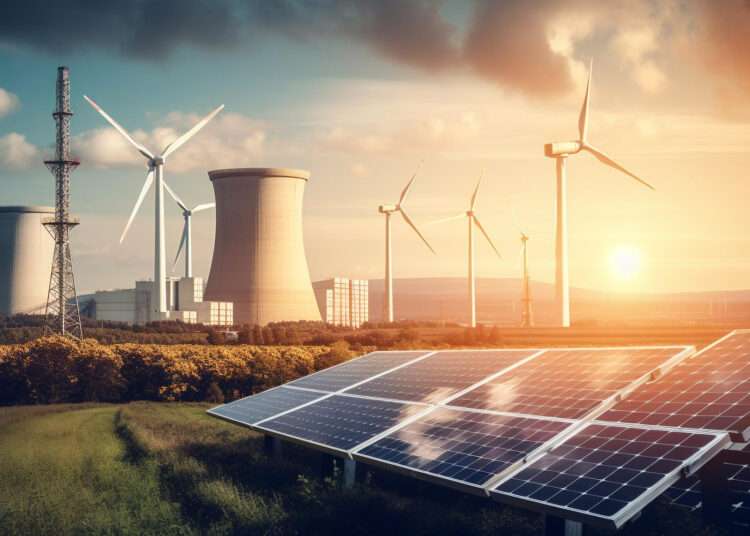
In the lead-up to Ghana’s 2024 elections, the New Patriotic Party’s (NPP) manifesto pledge to add 2,000 megawatts (MW) of renewable energy to the nation’s energy mix has sparked significant debate.
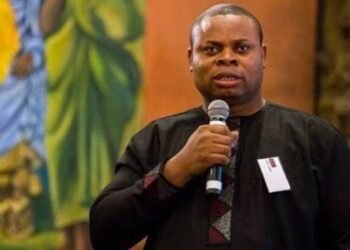
Dr. Charles Ofori, Policy Lead for Climate Change and Energy Transition at the Africa Centre for Energy Policy (ACEP), has voiced concerns over the feasibility and implications of this ambitious target.
Dr. Ofori emphasized the importance of aligning energy promises with meticulous planning and realistic assessments.
“At the heart of this conversation is the need for a plan to ensure that the additional supply aligns with demand, avoiding an imbalance that could lead to inefficiencies.”
Dr. Charles Ofori, Policy Lead for Climate Change and Energy Transition at ACEP
According to him, political manifestos often lack the depth needed to address the feasibility of proposed projects, leaving critical questions unanswered about demand, operational viability, and financial sustainability.

Central to Dr. Ofori’s argument is Ghana’s Integrated Power System Master Plan (IPSMP), a document outlining the country’s power generation strategy through 2040.
This comprehensive plan incorporates various energy sources, including thermal, gas, renewables, and nuclear energy, to ensure a diversified and resilient energy mix. He stressed that the NPP’s proposal must conform to the IPSMP’s framework to avoid redundancy or inefficiencies in resource allocation.
Dr. Ofori underscored the need for a transparent and competitive procurement process to ensure cost efficiency in expanding renewable energy capacity.
Failure to adopt such mechanisms could have long-term repercussions, including higher tariffs for consumers and potential operational inefficiencies.
This warning reflects lessons from previous energy sector challenges in Ghana, where opaque procurement practices and costly contracts have strained public finances and consumer affordability.
Balancing Supply and Demand

The ACEP policy expert highlighted a fundamental concern: Ghana’s current electricity demand and its growth trajectory. While expanding capacity is critical to meeting future demand and driving industrialization, overcapacity could lead to wasted resources and inflated costs.
Dr. Ofori called for a balanced approach where additional energy supply is tailored to demand forecasts to avoid economic inefficiencies.
He also noted the importance of integrating renewable energy projects into Ghana’s broader energy strategy.
Such integration would require careful planning around grid infrastructure, energy storage solutions, and hybrid systems to manage intermittent renewable energy sources like solar and wind effectively.
Adding to the critique, Dr. Steve Manteaw, Chairperson of the Civil Society Organization (CSO) Alliance on Political Manifestos, described the 2,000 MW renewable energy target as overly ambitious.
“Currently, renewable energy constitutes just about 1% of our energy mix, and the NPP had earlier promised to scale this to 10%. We are far from achieving that target.
“So, to promise we will add 2,000 megawatts implies generating more from renewables than we currently do from fossil fuels, which is practically impossible.”
Dr. Steve Manteaw, Chairperson of the Civil Society Organization (CSO) Alliance on Political Manifestos
Dr. Manteaw’s comments reflect broader skepticism about the practicality of such a leap in renewable energy generation within the timeline of a single political term.
He argued that achieving this goal would require not just investment in renewable projects but also significant advancements in technology, policy alignment, and infrastructure.
Dr. Ofori and other experts have called on policymakers to ensure that renewable energy ambitions are grounded in detailed strategic planning. Beyond political promises, such initiatives must consider tariff implications, grid integration challenges, and the economic benefits of renewable energy development.
The transition to renewable energy also presents an opportunity for Ghana to tap into global financing mechanisms aimed at promoting clean energy. However, this requires transparent governance and well-structured projects to attract international investments.
The debate around the NPP’s renewable energy pledge highlights the complexities of energy planning in a developing economy like Ghana’s. While ambitious targets can drive progress, experts caution that these must be grounded in realistic frameworks and actionable plans.
As Ghana navigates its energy transition, balancing renewable energy goals with cost efficiency, transparency, and grid reliability will be critical. Dr. Ofori’s remarks serve as a reminder that successful energy policy requires not just vision but also robust execution strategies that benefit both the economy and the population.
READ ALSO: Chioma Commands Attention During Davido’s Atlanta Pre-Birthday Celebration