The government has announced a major push to modernise Ghana’s agricultural sector through a comprehensive machinery support programme aimed at transforming farm productivity across the country.
Presenting the 2026 Budget Statement and Economic Policy to Parliament, the Minister for Finance and Acting Minister for Defence, Dr. Cassiel Ato Forson, revealed that the initiative will provide more than 4,000 pieces of machinery to farmers in 50 agricultural districts under the Farmer Service Centres project.
Dr. Forson explained that the initiative is a decisive step toward addressing long-standing structural constraints that have limited farm output and slowed the country’s quest for food security.
He noted that after years of farmers relying heavily on manual labour and outdated tools, the government was now ready to “return the favour” by equipping them with the machinery and technology needed to transform the agricultural landscape.
According to him, the machinery package is extensive and designed to serve a wide range of farming operations, from tilling and planting to spraying and harvesting.
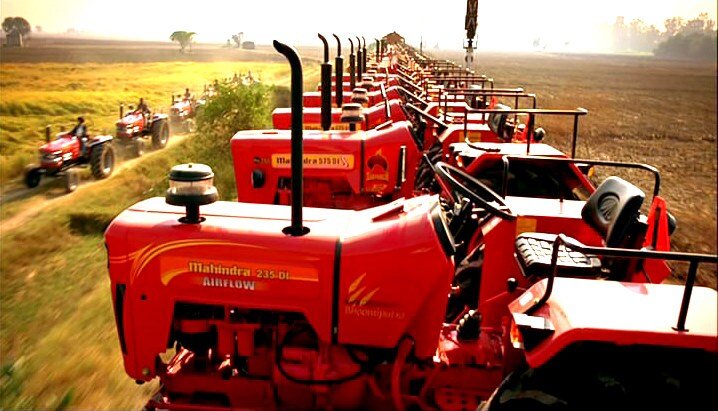
The government is making available 660 tractors and 300 tractor-trailers, which are expected to significantly improve land preparation and reduce the burden on smallholder farmers who often struggle to access such machinery.
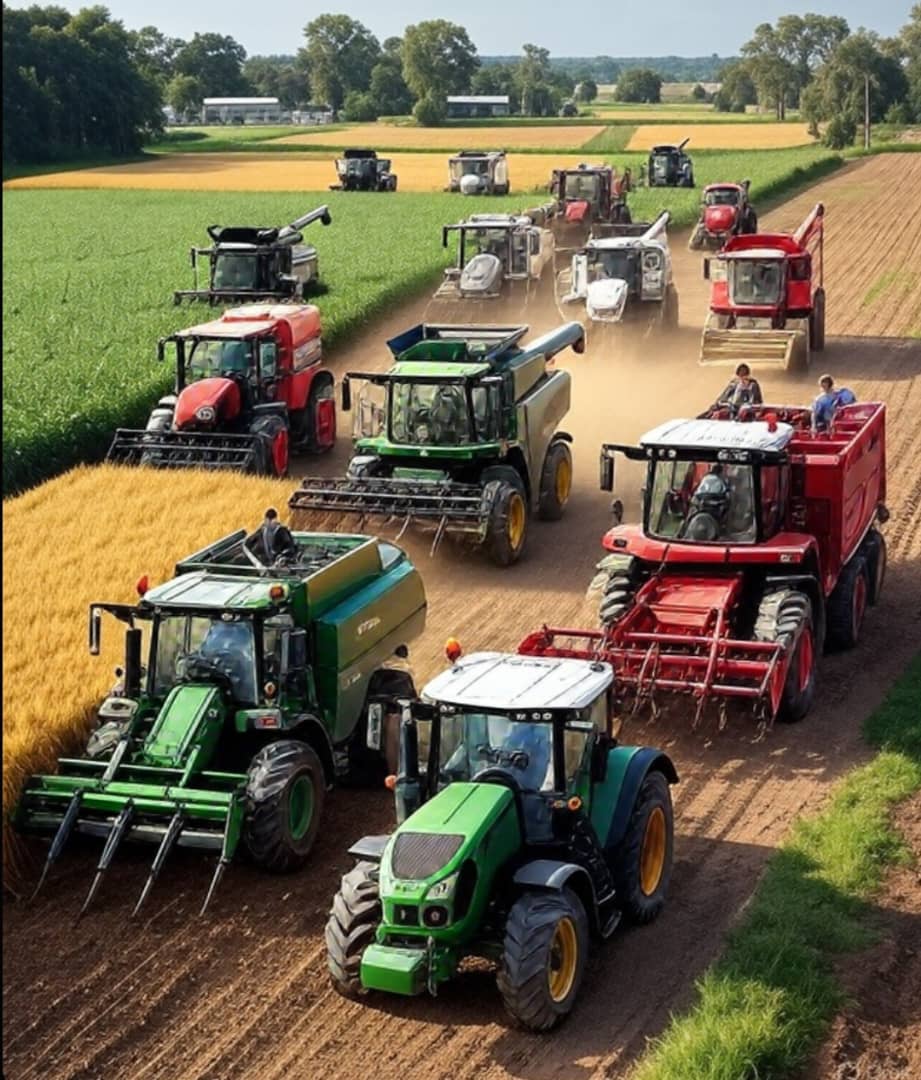
In addition, 200 mini tractors, along with their accompanying trailers, tillers, cultivators, ploughs, harrows, cutter bars, and mowers, will be distributed to enhance mechanisation in districts where smaller farms dominate.
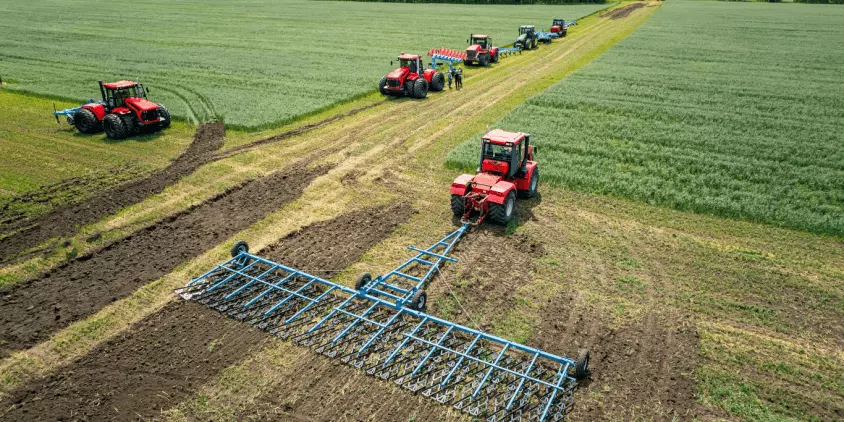
The mechanisation support also includes an array of implements intended for medium- to large-scale operations. These include 460 three-disc ploughs, 200 four-disc ploughs, 330 sixteen-disc harrows, 100 thousand-kilogram mineral fertiliser spreaders, and three categories of precision seed drills — 100 four-row, 100 six-row, and 100 thirty-two-row pneumatic seed drills.
These tools, Dr. Forson said, will help farmers improve accuracy in planting, reduce seed waste, and ensure uniform crop establishment, which remains essential for high yields.
Enhancing Crop Protection and Promoting Efficient Chemical Application
To enhance crop protection and promote more efficient chemical application, the government is also providing 300 boom sprayers with an 800-litre capacity. The harvest stage is equally catered for through the provision of 50 combine harvesters, along with 50 maize headers and 25 soy headers to expand the capacity for mechanised harvesting.
Dr. Forson emphasised that these investments represent more than the procurement of equipment; they are part of a broader national commitment to revitalise agriculture as a central pillar of economic recovery.
He reiterated the government’s view that farmers “have always carried Ghana on their shoulders,” adding that the new machinery support is intended to give them the tools “to carry the nation into a future of food security and prosperity.”

He described the initiative as a turning point in Ghana’s agricultural journey and affirmed that the transformation “has begun.” The Finance Minister noted that agriculture must no longer be seen as a low-income occupation dominated by manual labour, but rather as a modern and productive sector capable of driving Ghana’s renewal.
Through this investment, the government aims to close the mechanisation gap, improve yields, reduce post-harvest losses, and sharpen the competitiveness of local farmers in regional and international markets.
The Farmer Service Centres initiative is also a fulfillment of a major agricultural promise made by the National Democratic Congress (NDC) ahead of the 2024 General Elections.
The policy was introduced as part of a broader agenda to rebuild the agricultural value chain through mechanisation, seed and fertiliser support, improved extension services, and access to markets.
Dr. Forson’s announcement signals the first major rollout of that agenda under the Mahama administration, which has declared agriculture a cornerstone of national development.
The machinery distribution will focus on agricultural districts selected based on production potential, acreage under cultivation, and demand for mechanisation services.
The government expects that the activity will stimulate rural economies, create jobs for tractor operators and service providers, and establish a stronger foundation for agro-industrial growth.
As the programme takes shape, it is anticipated to play a key role in boosting crop output, reducing food inflation, and strengthening the domestic food supply chain. Dr. Forson’s message in Parliament underscored the urgency and ambition behind the effort: “Agriculture is not just an occupation; it is the engine of Ghana’s renewal.”
READ ALSO: Accra–Kumasi Expressway to Usher Ghana into a New Era of Connectivity