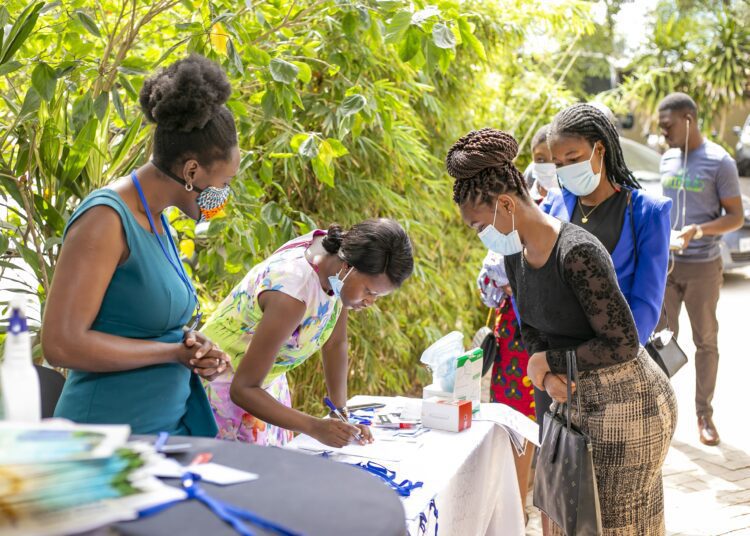
Women and youth form a significant section of the Ghanaian economy and have been the focus of many of the development policies in the 2026 Budget.
The 2026 Budget Statement and Economic Policy is a policy document that reveals how the government intends to manage the economy, making known the priority areas for development in the coming year. The Budget will aid Ghanaians to assess and hold the government accountable in the coming year.
Within the 2026 Budget, more focus is given to women, youth, and persons with disabilities, to ensure inclusivity, sustainability of the country’s legacies, and promote development through the energetic and proactive youth of Ghana.
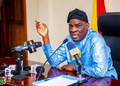
According to the Minister of Finance, Dr. Cassiel Ato Forson, “the Microfinance and Small Loans Centre (MASLOC) advanced its enterprise support agenda by distributing equipment valued at GH¢159,276 to small entrepreneurs and recovering GH¢8.5 million in outstanding loans.” This equipment allocated to the small entrepreneurs continues to empower women and youth in small-scale entrepreneurship.
Under the Gulf of Guinea Northern Regions Social Cohesion (SOCO) Project, 28,107 women, youth, and persons with disabilities have gained direct jobs since 2022. The project, which is financed by the World Bank, sought to improve regional collaboration, socio-economic growth, and climate resilience in the six Northern regions in Ghana. According to the Budget read, “365 community-level infrastructure projects were completed, including schools, health centers, water systems, and rural roads.”

However, in 2026, the government promises to expand the project “with 384 new subprojects, completion of 138 ongoing works, and disbursement of grants to 690 Common Interest Groups and 310 producer associations to boost livelihoods in northern Ghana.”
Dr. Forson also mentioned that 94 frontline officers were trained by the Department of Community Development to use the Child Protection Community Facilitation Toolkit (CPCFT) to augment social welfare engagements. He added that “in 2026, training will be scaled up to 650 stakeholders and 2,200 women and youth to promote community-driven Local Economic Development (LED).”
The government has also made provision for youth and women cooperatives under the Grow24 Program and the 24-Hour+ Economy Secretariat, the Minister mentioned. The government’s focus under the Ministry of Fisheries and Aquaculture will provide “fingerlings, cages, tarpaulins, affordable feed, and fish health measures” to the groups. “Outboard motors and inputs will also be distributed to sustain artisanal and inland fishing operations,” Dr. Forson added.

The government has organized two major regional sessions in the Central and Volta Regions to help women and youth-led enterprises export competitively, by way of implementing the African Continental Free Trade Area (AfCFTA) Agreement through regional dialogues and a capacity-building program for micro, small, and medium enterprises. According to the 2026 Budget, the government aims to sustain this initiative in the coming year.
The government, through the Ministry of Trade, Agribusiness and Industry, will advance “women’s economic empowerment through the Women in Trade, Agribusiness and Industry Program, to support women in cross-border trade and formal markets to expand participation in national and regional value chains.”
The government again committed in the 2026 Budget to continue the District Skills and Entrepreneurship Roadshow, prioritizing women in agriculture value chains. So far, 5,910 young people benefited, while the National Youth Agency also educated four million youth on Adolescent Sexual and Reproductive Health.
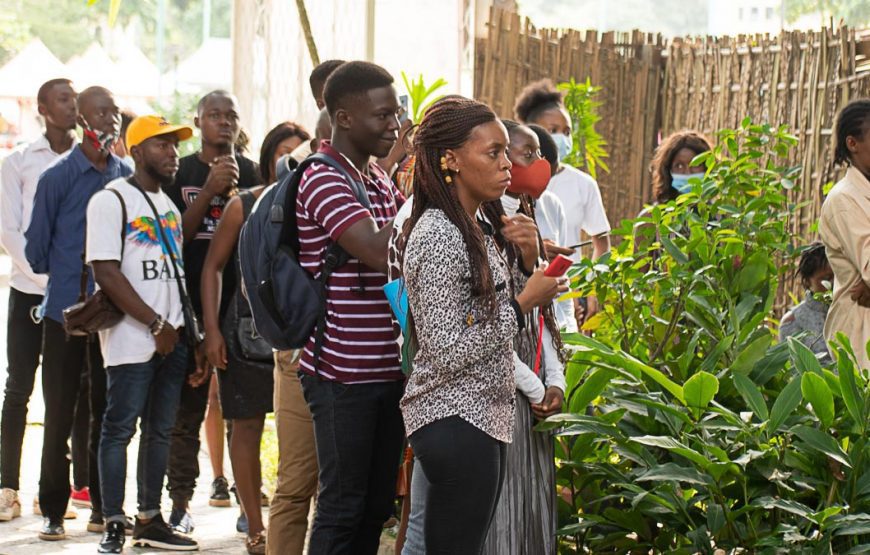
As one of the three central pillars for the reset agenda (2026 medium-term policy objectives and targets), as outlined in the Budget, the government seeks to extend “a trusted hand to the vulnerable, especially women and the youth, while laying the foundation for a more inclusive and compassionate economy.”
Dr. Forson, in the 2026 Budget, outlined five key macroeconomic objectives for the coming year. Two of the objectives directly concern the youth and women. First is to “build and sustain a resilient and inclusive economy with growth powered by productivity, innovation, and private sector enterprise, and create decent jobs especially for our youth,” and also “strengthen social protection so that the most vulnerable, particularly women, children, and the poor are shielded from hardship and benefit from Ghana’s recovery.”
The government, in its development policies to drive growth and jobs in the medium term, intends to “ensure that capital reaches those who create real value, [while] improving access to finance through the Development Bank Ghana and the forthcoming National Employment Trust, which will de-risk investment in high-potential sectors and support women-owned and youth-led enterprises [in 2026].”
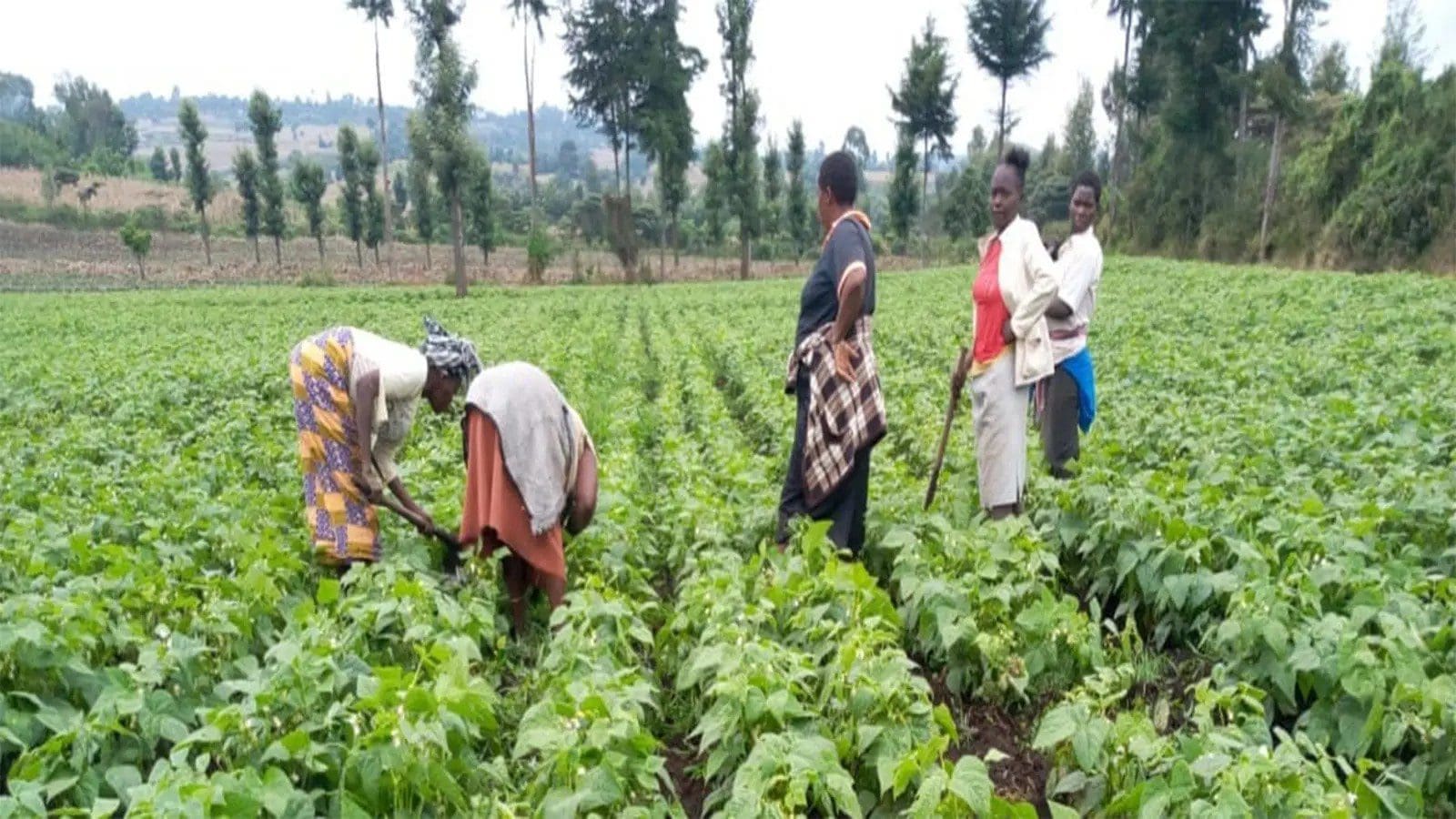
The Budget also revealed the government’s vision for the agriculture sector, which is “to make Ghana’s agriculture modern, mechanized, market-driven and youth and women-led.” Some days ago, the country witnessed the launch of the ‘Nkuko Nkitikiti’ initiatives to enhance home-grown-consumption poultry production. The Feed Ghana initiative is also currently being implemented, among other initiatives in the sector.
Days to the 2026 Budget reading, Dr. Forson visited the Benso Oil Palm Plantation in Adum Abanso, Western Region, to assess how the government can support the sub-sector. As documented in the Budget, the government aims to “promote sustainability, gender inclusion, and equitable participation for women and youth,” under the national policy on Integrated Oil Palm Development (2026–2032).
Under the same policy, Dr. Forson and the government will provide “a Smallholder Support Fund [to] ensure women and youth gain access to affordable credit and skills training.”
Furthermore, in terms of resource allocations in 2026, “another GH¢401 million to the Women’s Development Bank,” to provide a “crowd-in finance for women-owned MSMEs.”
The government, through the Minister of Finance and the 2026 Budget read centers its development drive on the youth and women, as more than half of the country’s population falls within this bracket.
READ ALSO: Budget Debate Heats Up as Minority Challenges Job Claims, VAT Reforms