Ghana’s economy is gearing up for a defining new year as Fitch Solutions projects that the country will outperform several major emerging market giants in 2026.
The UK based research firm says Ghana is on course to record stronger growth than mainland China, Indonesia, and Kenya, placing the nation among the fastest expanding economies worldwide next year.
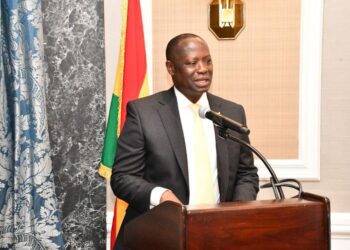
Fitch Solutions attributes this positive forecast to Ghana’s strong macroeconomic performance in 2025, which is expected to spill over into 2026. Assistant Director at Fitch Solutions, Mike Kruiniger, described Ghana’s current trajectory as exceptionally strong, noting that the country’s economic framework is becoming increasingly robust.
“We see the 2026 budget as broadly supportive of growth, and this aligns with our forecast that Ghana’s real GDP growth will rise from an already strong 5.8 percent in 2025 to 5.9 percent in 2026.”
Mike Kruiniger
He explained that private consumption and a recovering investment climate will serve as key pillars for the upcoming expansion.
Kruiniger further highlighted that “continued strong economic performance will be driven by private consumption and an ongoing recovery in fixed investment, which is rebounding from the sharp contraction recorded in 2023.” This points to renewed business confidence and increased capital injections into productive sectors of the economy.

Sustained Strength Beyond 2026
The firm also projects that Ghana’s economic growth will remain healthy even in the medium term. “In the medium term looking beyond 2026 growth is expected to remain healthy at around 5 percent, supported by expanding domestic demand,” Fitch noted.
Ghana’s projected performance stands out globally because it does not only exceed its own historical trends but also those of countries widely regarded as economic powerhouses. Fitch emphasised that Ghana is “set to outpace several other emerging markets next year, including mainland China, Indonesia, and Kenya.”
This reflects Ghana’s growing competitiveness and strengthens its position as a rising economic force within both Africa and the broader emerging market landscape.
Security Risks Threaten the Economic Outlook
While Fitch’s outlook remains positive, the firm did not ignore potential risks that could undermine Ghana’s performance. Kruiniger cautioned that the escalating Islamist insurgency in the Sahel poses a major threat to Ghana’s economic stability as the country enters 2026.
He warned that if instability in the Sahel persists, Ghana could face “security spillovers with implications for Ghana’s investment climate, fiscal health, and broader macroeconomic stability.” Although Ghana has remained relatively shielded from violent extremism compared to neighbours like Benin, the risks are increasing due to rising militant activity in northern Mali and surrounding areas.
Kruiniger noted that Ghana’s resilience is partly due to the structure of the northern terrain, explaining that the area “is far less forested than in Benin or Côte d’Ivoire, making it harder for Sahel based militants to operate undetected.” He added that state presence in the northern regions remains stronger than in many neighbouring countries.
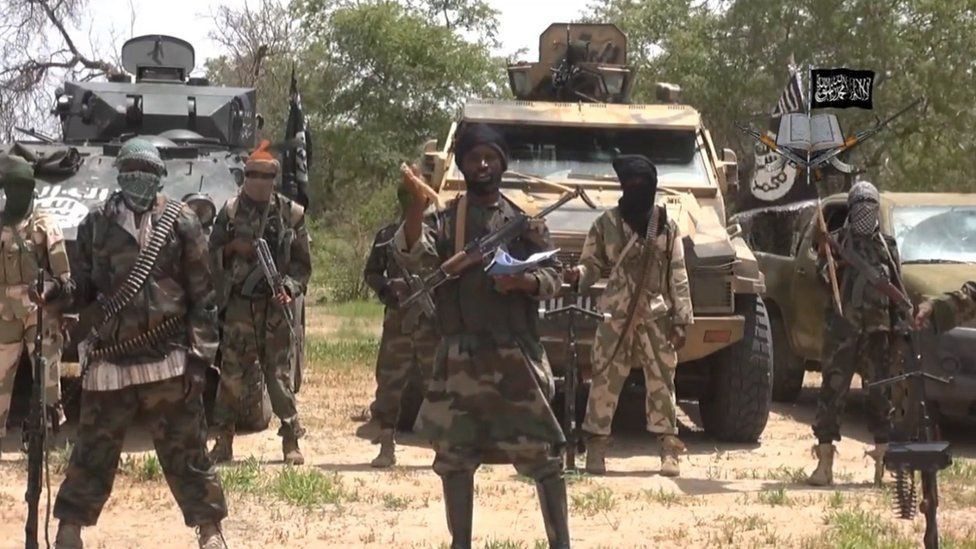
Still, he warned that the threat is growing. “Islamist groups are gaining ground in the Sahel, particularly in Mali, and the risks to Ghana are rising,” he said.
If extremist groups were to infiltrate northern Ghana, Fitch believes the government would need to increase defence expenditure significantly. “If militants were to cross into northern Ghana, the government would likely need to ramp up military spending, which is currently among the lowest in sub Saharan Africa,” Kruiniger emphasised.
Such a shift could put pressure on Ghana’s fiscal framework, especially at a time when the country is working aggressively to restore macroeconomic balance.
Ghana’s Moment to Shine on the Global Stage
Despite the risks posed by rising insecurity in the Sahel, Fitch Solutions maintains a base case scenario in which Ghana remains largely insulated from major attacks. This relative stability provides breathing room for the economy to continue building on the strong macroeconomic gains achieved in recent years. The country’s ability to avoid significant security spillovers enhances its resilience and ensures that the positive momentum behind its recovery remains intact.
With consistent state control in the northern regions and a terrain that offers fewer operational advantages to militant groups, Ghana stands in a comparatively stronger position than many of its West African neighbours.
Ghana’s projected growth outperformance in 2026 signals a defining moment for the national economy as it prepares to surpass several of the world’s major emerging markets. This exceptional performance is being fuelled by rising consumer demand, improving investor sentiment, and a meaningful recovery in fixed investment.
These factors, combined with ongoing macroeconomic reforms and prudent fiscal management, place Ghana in an enviable position among developing economies. The anticipated growth is not only robust by local standards but also impressive when benchmarked against global peers.
As global analysts, investors, and development partners observe this unfolding story, Ghana appears fully prepared to seize its moment on the world stage. All in all, the year 2026 is shaping up to be one where the country not only maintains steady expansion but also demonstrates the capacity to outpace economic heavyweights such as China and Indonesia.
READ ALSO:Bull Run Ignites GSE as Cocoa Processing Company Rockets 25% in a Day