National Anti-Illegal Mining Operations Secretariat (NAIMOS) has recently raised deep concerns regarding the persistent interference from influential figures, including chiefs and politicians, in the fight against illegal mining in the country.
During the stakeholder meeting in Sekondi, Lieutenant Colonel Joshua Satekla, Deputy Director of Operations at NAIMOS, emphasized that such interferences pose significant challenges to their anti-galamsey efforts.
According to him, this ongoing obstruction compromises the country’s ability to enforce strict regulations effectively and curb the activities of illegal miners.
“Every institution has challenges, and we are no exception. One of our key challenges is interference from influential people. We encounter this from politicians, chiefs, and other stakeholders in areas where we operate, and it is a big problem that must be addressed. Another critical challenge is logistics.”
Lieutenant Colonel Joshua Satekla
During his address to 14 Metropolitan, Municipal, and District Chief Executives (MMDCEs) and two Regional Police Commanders from the Western Region, Lt. Col. Satekla underscored that hotbed areas for illegal mining require rigorous enforcement and complete cooperation from local authorities to create effective “no-go” zones.
Notably, he mentioned that while local support plays a crucial role in the success of NAIMOS operations, it is often undermined by the very individuals who should be fostering compliance and accountability.
Backbone of Ghana’s Anti-Galamsey Efforts

NAIMOS serves as a critical body in the country’s strategy to combat galamsey. Illegal mining activities have led to widespread environmental degradation, with reports of rivers polluted, farmland devastated, and local communities suffering from the adverse effects of these operations.


The agency’s mandate includes enforcing laws surrounding mining activities, monitoring compliance, and dismantling illegal operations to restore the nation’s rich mineral resources’ integrity.
The task force operates under the Ministry of Lands and Natural Resources, and its objectives align with the government’s broader aim to promote responsible mining.
For operations to be effective, especially in high-risk areas, it is imperative that local authorities, including traditional leaders and elected officials, fully support these initiatives. Unfortunately, cracks within this alliance often emerge, primarily due to the influence of powerful actors who may benefit from the continuation of illegal mining activities.
The rise of galamsey has escalated due to various socio-economic factors, including job scarcity and poverty, which drive many individuals toward illegal mining for quick financial gains.
Nonetheless, the obstructions presented by political and traditional figures complicate the situation as narrated by Col. Satekla.
When influential individuals prioritize personal interests over community welfare, the collective effort to combat illegal mining weakens, directly impacting the livelihoods of citizens and the integrity of ecosystems.
The Roadblocks to Effective Enforcement

Lt. Col. Satekla also pointed out that logistical challenges exacerbate their operational hurdles. Effective anti-galamsey measures require not only political will but also adequate resources to conduct investigations and enforce policies on the ground.
The presence of high-level interference makes it even more difficult for NAIMOS to secure the necessary support from local stakeholders, impeding their initiatives.
The public’s awareness of the detrimental effects of illegal mining is growing; however, meaningful change remains contingent upon the collaboration of influential local figures willing to prioritize sustainability. The Western Regional Minister, Joseph Nelson, reiterated the government’s commitment to eradicating illegal mining, calling on the MMDCEs to support President John Dramani Mahama’s intensified efforts.
This synergy between government initiatives and local enforcement is paramount for any long-term success in tackling illegal mining.
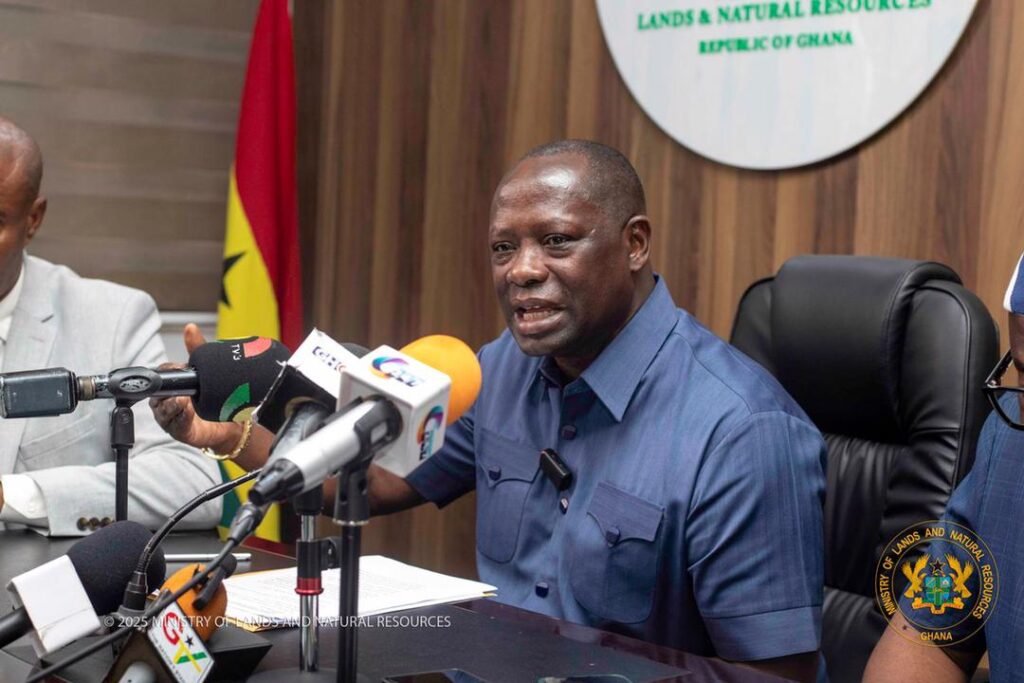
The struggle against illegal mining is multifaceted, with deep-rooted challenges that must be addressed.
Effective anti-galamsey operations require a unified front where local authorities actively participate rather than obstruct. As powerful stakeholders exert their influence, communities feel the impact, caught between immediate economic needs and long-term environmental sustainability.
NAIMOS’ fight against galamsey cannot thrive in isolation. The agency’s challenges highlight the need for community engagement and support from influential figures.
Corruption and interference from powerful individuals continue to undermine efforts, raising questions about the efficacy of legislation and enforcement.
Ghana’s environment and communities deserve a concerted, cooperative effort to ensure a sustainable future, free from the blight of illegal mining. Only through unified action can the country forge a path toward responsible mining practices that benefit all Ghanaians.
READ ALSO: Syria Marks First Anniversary Of Al-Assad’s Ouster