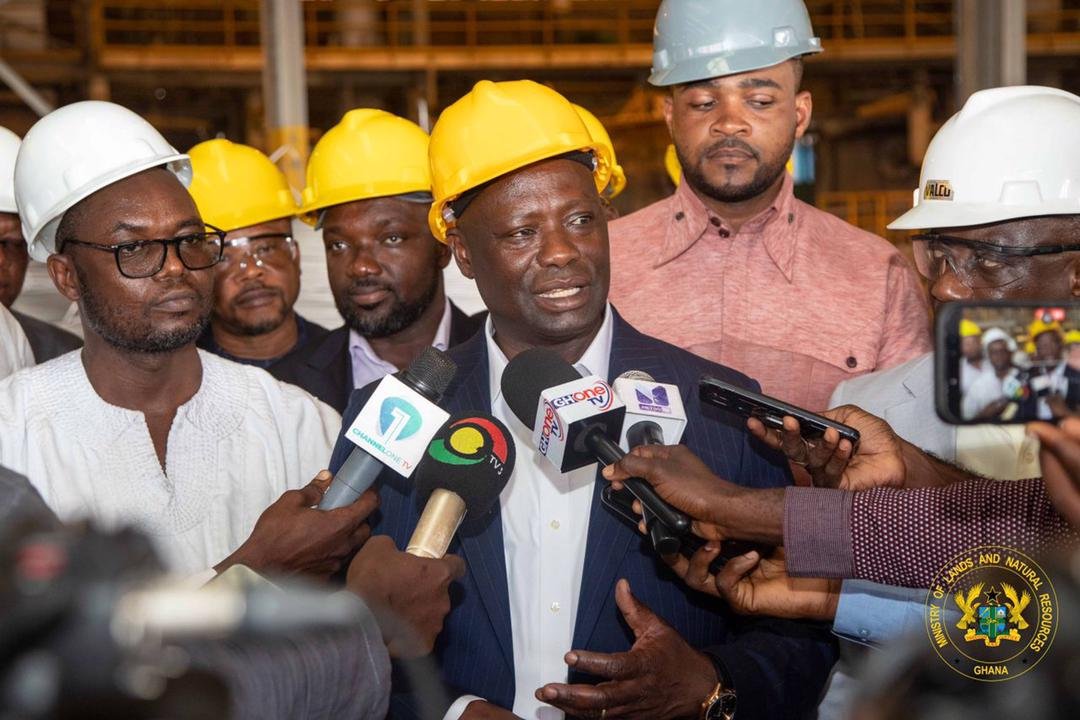
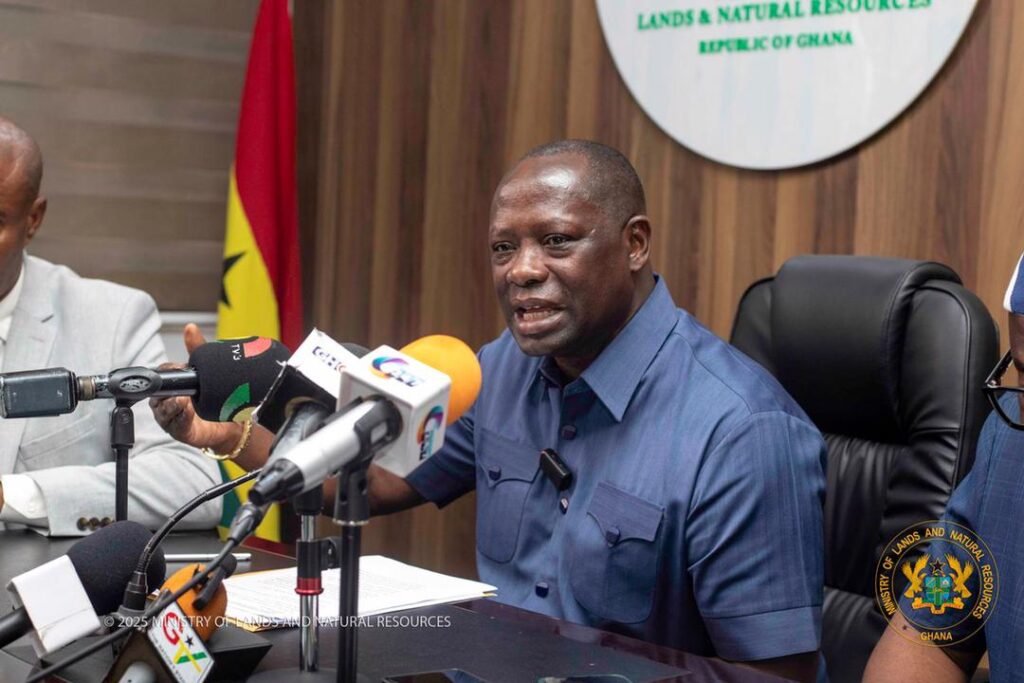
Lands and Natural Resources Minister, Hon. Emmanuel Armah-Kofi Buah, has signaled a determined push toward rigorous and equitable enforcement of the new legal framework as Legislative Instrument (L.I.) 2501 revocation matures.
This legislative reversal, which strikes down the controversial L.I. 2462 that once regulated mining in forest reserves, a law widely criticized for granting excessive discretionary presidential power for such permits marks a significant policy win in the nation’s struggle against illegal mining, or galamsey.
The Minister’s pledge is an immediate pivot from legislative victory to operational implementation, ensuring that the enhanced protections for Ghana’s vital forest and water bodies translate into tangible, on-the-ground outcomes.
“As Minister, I am grateful for the trust you continue to place in this Ministry. Our next task is to implement this law with discipline and fairness, and to work closely with all Ghanaians to keep our forests standing and our rivers clean.”
Hon. Emmanuel Armah-Kofi Buah
This decisive action, which reverts the regulatory landscape to the stronger 2020 environmental guidelines, is the culmination of sustained public advocacy and expert consultation under the guidance of President John Dramani Mahama.
The government’s decision to “completely revoke the L.I. 2462 and use the guidelines enacted in 2020″ sends a clear message about prioritizing ecological preservation over short-term economic gains.
Now that the legal instrument is fully repealed, the Ministry’s immediate task is to close the loopholes and regulatory gaps that could otherwise be exploited.


The emphasis on “discipline and fairness” underscores a commitment to avoid the pitfalls of past anti-galamsey operations that were sometimes marred by concerns over consistency and even-handed application of the law, while simultaneously addressing the deep-seated corruption and “institutional complicity that fuel the illegal trade.”
Devastating Legacy of Galamsey

The menace of galamsey, a term derived from the phrase “gather them and sell” is historically rooted in Ghana’s artisanal small-scale mining sector.
While providing a livelihood for an estimated 200,000 to 3 million people, it has tragically metastasized into an environmental crisis driven by economic hardship and the allure of rapid financial gain.
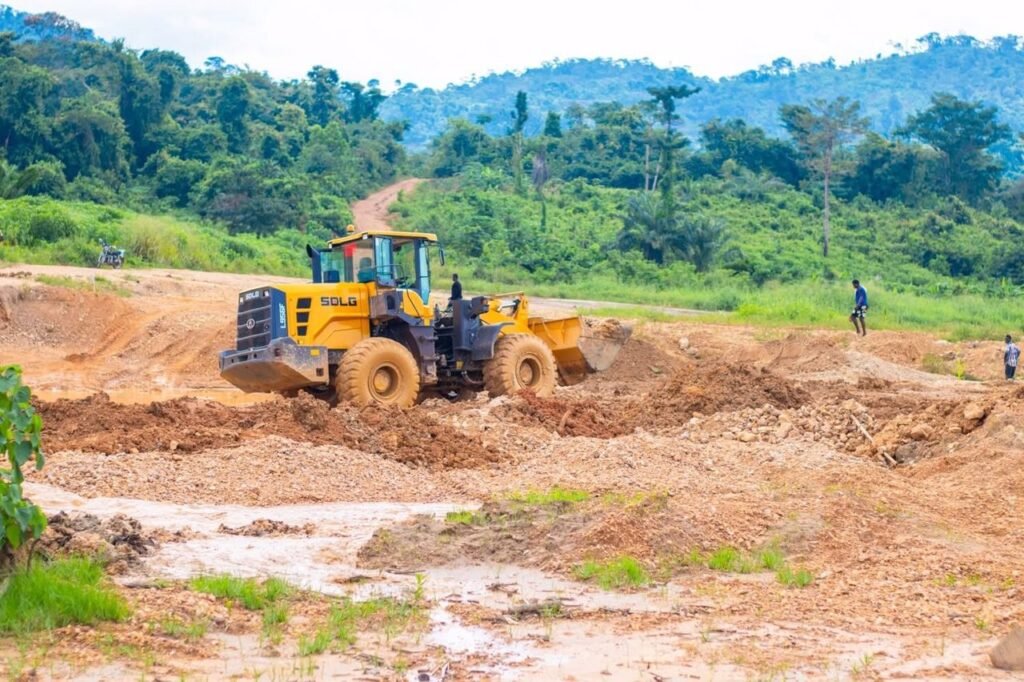
This illegal practice involves the use of heavy machinery, suction dredges, and toxic chemicals like mercury and cyanide for gold extraction.
The results are catastrophic, leading to extensive deforestation, “habitat destruction, water pollution, and soil degradation.”
Major river systems, including the Pra, Ankobra, and Birim, have been rendered highly turbid and contaminated, threatening drinking water supplies and agriculture.
Experts warn that pollution from galamsey is linked to “chronic diseases such as kidney failure, birth defects and cancer,” making the fight against it a matter of national security and public health.
Ministerial Strategy and Enforcement Pillars
The Lands Ministry anchored its comprehensive strategy on five main pillars: reforming the licensing regime, strengthening law enforcement and regulations, stakeholder engagement and education, reclamation of degraded areas, and providing alternative livelihoods.
To execute this, the Ministry established the National Anti-Illegal Mining Operations Secretariat (NAIMOS), a centralized body tasked with coordinating intelligence-led field operations and enforcing laws without “fear or favour.”
The government has also launched the Blue Water Initiative, training youth as “Blue Water Guards” to monitor and report illegal riverine activities, and the Tree for Life Initiative to restore degraded lands.
These operations are backed by a redeployment of military personnel to support task forces, reinforcing a “united front to tackle this challenge head-on.”
The ultimate goal is to reform the sector through programmes like the Responsible Cooperative Mining and Skills Development Programme (rCOMSDEP), promoting legal, environmentally compliant small-scale mining.
Legislative Victory: A Turning Point
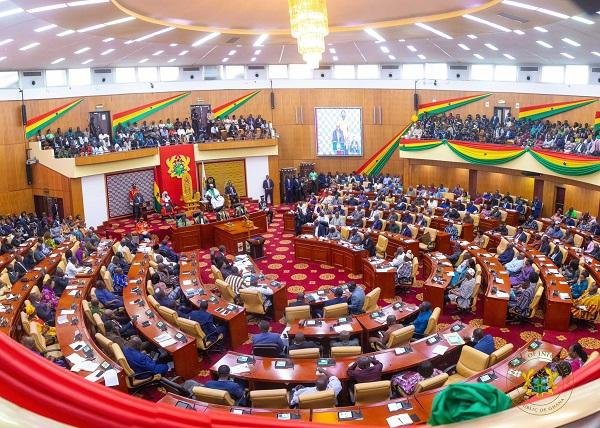
The successful revocation of L.I. 2501 (formerly 2462) is hailed as a major turning point, permanently stripping the presidency of discretionary powers to issue mining permits in protected forest areas.
This move responds directly to the “widespread criticism” that the former instrument was a legislative mechanism that still left forest reserves “vulnerable to exploitation.”
By choosing to fully repeal the regulation, the Mahama administration has listened to the concerns of civil society and environmental advocates. This outcome reinforces Ghana’s “commitment to sustainable resource management and environmental conservation,” ensuring that the country’s natural heritage of “healthy forests” and “clean rivers” is secured for future generations.
READ MORE: Promised Made, Promised Delivered – Mahama Signs Bill Abolishing COVID-19 Levy