Ghana’s energy sector is once again at the centre of public debate following confirmation that electricity tariffs will increase by 9.86 percent in January 2026, with water tariffs also set for an upward adjustment.
According to energy law expert Lom Nuku Ahlijah, the latest tariff review should be seen as more than a financial inconvenience. In his assessment, it is “another reminder of how exposed Ghana’s power system is to global fuel markets and domestic structural imbalances.”
He argued that the persistent volatility in electricity pricing is rooted in the country’s heavy reliance on thermal generation, which is dependent on imported fuels whose prices fluctuate with global economic shocks, geopolitical tensions, and foreign exchange pressures.
“These increases point to a deeper issue. Ghana relies heavily on thermal generation, and as long as imported fuels dominate the mix, tariff changes will remain frequent and unpredictable.”
Lom Nuku Ahlijah, Energy Law Expert

The country’s Energy Sector Recovery Programme (ESRP) projections continue to warn of structural gaps that leave the grid unable to produce stable and competitively priced power. The December tariff announcement, according to Ahlijah, underscores the urgency for a long-term pivot away from fuel-dependent generation.
The Public Utilities Regulatory Commission (PURC) attributes the increments to rising generation costs, fuel procurement challenges, and persistent inefficiencies across the power value chain.


For many households and businesses, the announcement reinforces anxieties about the country’s exposure to global fuel markets and deep-seated structural issues that continue to destabilise power pricing.
Nuclear Energy Re-Emerges as a Long-Term Solution

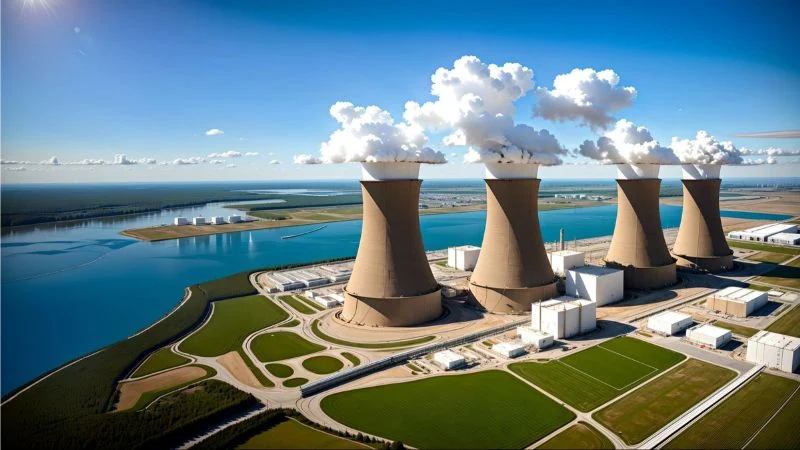
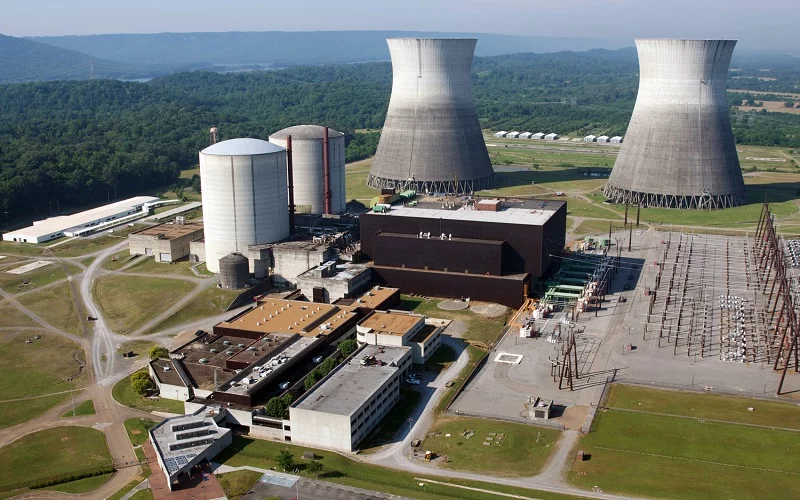
As Ghana continues to grapple with these recurring challenges, experts are increasingly calling for nuclear power to become a core component of the national energy strategy.
Ahlijah emphasised that nuclear is uniquely positioned to address the chronic instability of electricity tariffs. “Nuclear power must now be treated as a central pillar of Ghana’s long-term energy and industrial strategy,” he said, pointing to its stable operating costs, predictable fuel supply, and baseload reliability.
Nuclear plants operate largely free from the fuel price volatility that affects thermal plants. Their fuel is acquired through long-term contracts that ensure cost predictability, while nuclear reactors provide round-the-clock power crucial for tariff stability.
“Nuclear energy offers a powerful solution to tariff instability. Its operating costs are predictable and relatively low once capital investments are recovered.”
Lom Nuku Ahlijah, Energy Law Expert
“Since 2007, Ghana has made steady progress toward nuclear readiness,” he explained. This includes the establishment of the Nuclear Power Programme Organisation, the creation of the Nuclear Regulatory Authority, the completion of Phase One of the International Atomic Energy Agency’s (IAEA) Milestone Approach and continued work on feasibility assessments and site evaluations.
The 2026 Budget, he said, reinforces this direction by placing emphasis on long-term baseload capacity consistent with industrialisation ambitions and the 24-Hour Economy initiative.
Ahlijah believes nuclear energy offers a credible pathway to stabilizing tariffs, reducing long-term generation costs and strengthening the country’s industrial competitiveness.
Economic Competitiveness Hinges on Stable Power
Energy-intensive industries, such as manufacturing, mining, agro-processing, data centres, and cold-chain logistics depend on predictable tariffs to remain competitive.
Ahlijah argued that Ghana’s ambition under the African Continental Free Trade Area (AfCFTA) will remain constrained unless the volatility in power pricing is addressed structurally.
“Stable power prices are essential for industrial competitiveness. As Ghana positions itself under AfCFTA and pursues a 24 Hour Economy, nuclear energy becomes even more critical.”
Lom Nuku Ahlijah, Energy Law Expert
Evidence from emerging economies supports this argument. According to the Rockefeller Foundation’s 2025 energy analysis, countries integrating nuclear power have recorded system-wide cost reductions of up to 31 percent, largely due to the stabilising effect of nuclear’s baseload capacity.
For Ahlijah, the PURC’s tariff announcement is not merely a reaction to current conditions, it is a symptom of a system whose vulnerabilities cannot be fixed through incremental adjustments or temporary fixes.
“The PURC tariff announcement highlights a structural vulnerability that cannot be resolved through incremental adjustments.
“Nuclear energy offers one of the most credible pathways to stable tariffs, abundant power, stronger industries, job creation, and sustainable national growth.”
Lom Nuku Ahlijah, Energy Law Expert
As the conversation deepens, stakeholders across industry, academia and civil society are expected to push for a clearer policy timeline on Ghana’s nuclear ambitions.
What remains uncontested is that the energy sector’s stability, and by extension the country’s industrial future hinges on bold, long-term decisions rather than short-term tariff adjustments.
READ ALSO: Promised Made, Promised Delivered – Mahama Signs Bill Abolishing COVID-19 Levy