IMANI Centre for Policy and Education has categorically rejected the proposal to grant additional fiscal concessions to Barari DV Ghana Limited, a subsidiary of Atlantic Lithium, for the Ewoyaa Lithium Project in the Central Region.
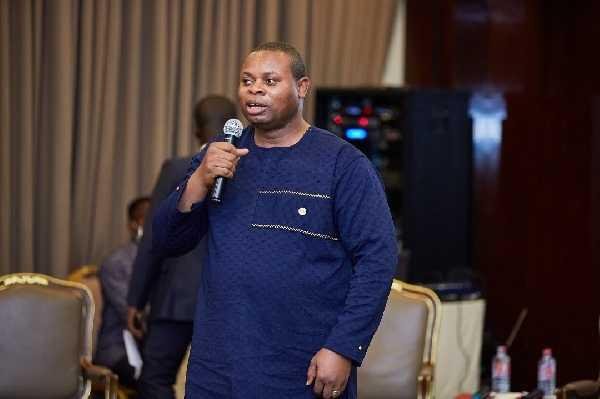
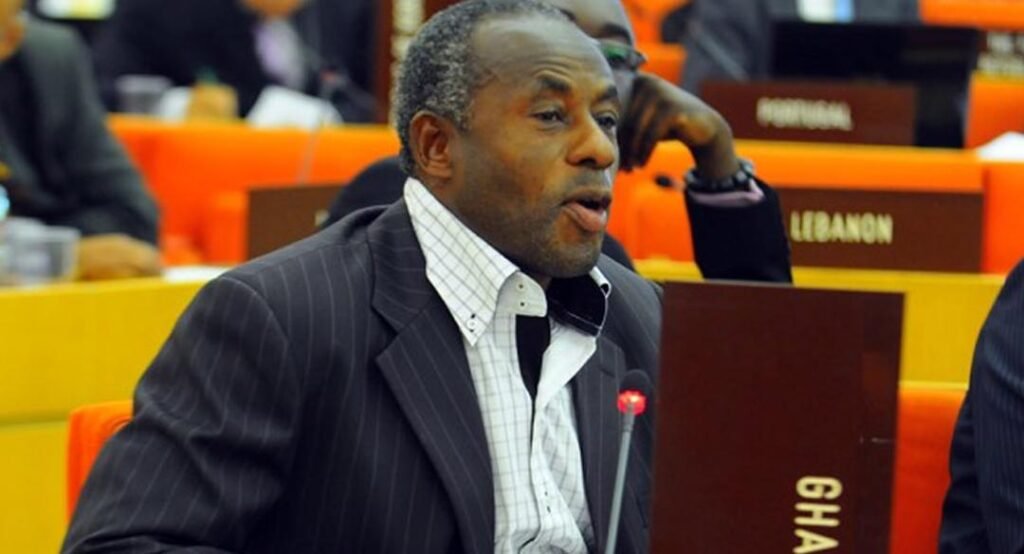
Speaking before Parliamentary select Committee on Lands and Natural Resources, Mr. Franklin Cudjoe, President of IMANI insists that the company is making enough profits hence, there is no justification for demanding for additional concession.
The think tank’s stance is anchored in a detailed financial analysis that suggests the mining venture remains highly lucrative for the investors, even at reduced global lithium prices, rendering any request for further state giveaways indefensible.
“But they used the base rate as their cost, their cost was rated at about 610 dollars. So it tells you that, as we speak, even if they got it in the standard mining, clearly they’re going to make about a 45% margin even before, I mean, that’s revenue, right? Before the profits are taken away.”
Mr. Franklin Cudjoe
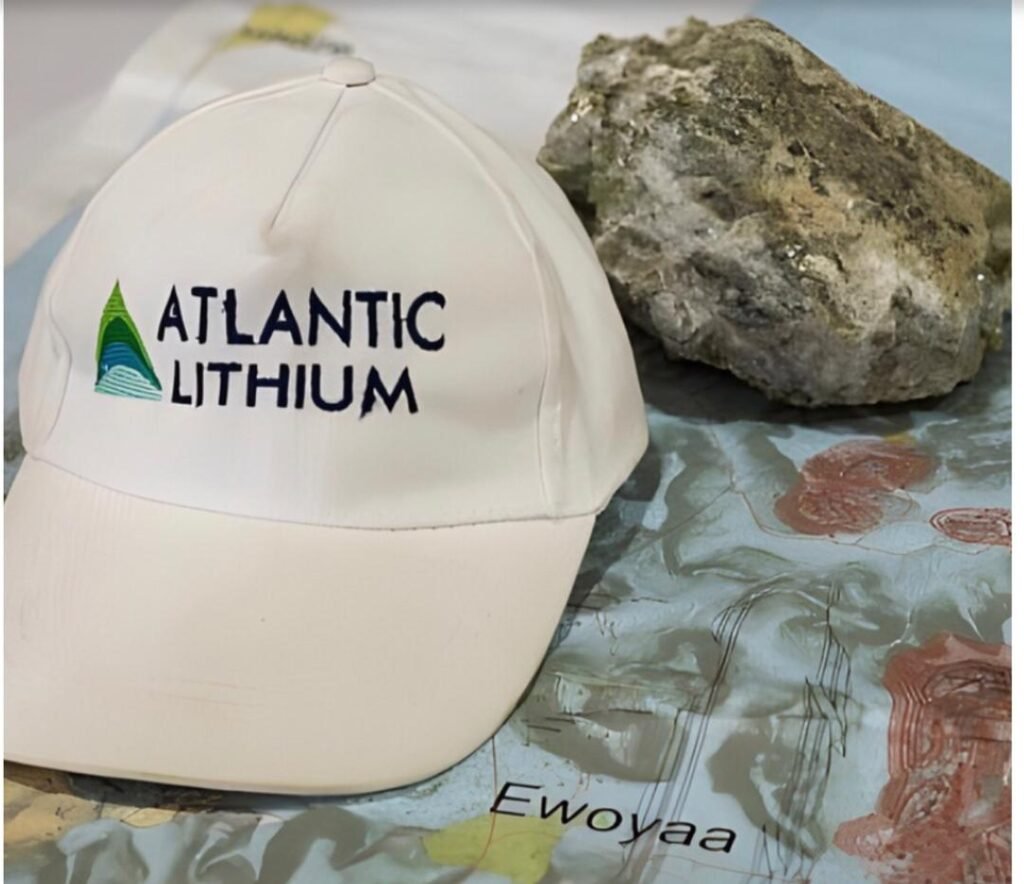
The policy position articulated by IMANI’s leadership is a direct challenge to the narrative put forth by the company and some government officials, which claims that a sharp decline in the price of lithium necessitates a reduction in Ghana’s fiscal take to ensure the project’s viability.
IMANI’s analysis leverages the company’s own definitive feasibility study (DFS) figures, which projected an estimated all-in sustaining cost (AISC) for producing a tonne of spodumene concentrate at approximately $610 per tonne.
The think tank highlighted that even with a recent market price being considerably lower than the DFS’s long-term projection, the gross profit margin remains significant, making the clamour for concessions unwarranted.


This rigorous financial scrutiny aims to ensure that Ghana secures a fair and equitable share of the value derived from its strategic mineral resources, particularly in a commodity market known for its volatility.
“If every business in this country had 45% margins in profit, and they were still giving concessions, this country would collapse,” Franklin Cudjoe warned.
A Closer Look at Atlantic Lithium’s Commercial Requests
Barari DV’s core demands, submitted to Parliament for ratification of the mining lease, also included a reduction in the royalty rate from the originally agreed-upon 10% to 5% or a sliding scale royalty structure, amendments to the corporate income tax, and the removal or deferral of import duties on capital equipment.
These proposals were premised on the claim that without these tax breaks, the project’s post-tax internal rate of return (IRR) would fall to an unacceptably low level, potentially jeopardizing the project’s financial close and commencement.
The company initially targeted a long-term concentrate pricing of US\$1,587 per tonne (FOB Ghana) in its DFS, which showcased an impressive 105% IRR and a payback period of just 19 months.
The current market downturn, however, led the company to request fiscal relief to mitigate the price risk exposure, a move that critics argue shifts the financial risk disproportionately onto the host country.
IMANI’s Stance: Leveraging Gross Profit and Long-Term Value
The IMANI Centre for Policy and Education has taken a firm stand against the revised agreement, labelling the demand for additional concessions as opportunistic, particularly given the impressive underlying economics of the Ewoyaa project.
IMANI’s position advocates for Ghana to uphold its original, more robust fiscal terms, which included a 10% royalty rate, a 19% state equity interest (13% free-carried and 6% through the Minerals Income Investment Fund – MIIF), and a requirement for a local stock exchange listing.
The think tank also urges Parliament to introduce adaptive clauses, such as royalty bands that adjust with market prices and binding value-addition commitments, to protect the nation from market volatility and ensure downstream beneficiation.
The National Benefit of a Resolute Stance
A resolute stance by the government, guided by IMANI’s comprehensive analysis, offers significant benefits for the country.
Primarily, rejecting the additional concessions ensures that Ghana secures its maximum rightful share of the revenue from its critical mineral resources.
Taking this strong position now sets a critical precedent for future mining agreements, particularly in the emerging sector of critical minerals like lithium, which are vital for the global energy transition.
It demonstrates to the international mining community that Ghana is committed to securing fair and sustainable deals, protecting its long-term economic interests against short-term market pressures.
By insisting on a transparent and equitable fiscal framework, IMANI’s push ensures that the “value of lithium” which “could rise and fall” is mitigated by a contractual structure that guarantees Ghana’s financial security irrespective of the temporary market cycle.
A sustained commitment to the original terms of the lease translates to a higher and more consistent flow of revenue, transforming the Ewoyaa project from a simple extractive venture into a true catalyst for national development.
READ ALSO: Judge Orders Kilmar Abrego Garcia’s Immediate Release From ICE Custody