
The recent return of the Tema Oil Refinery (TOR) to active refining has been widely welcomed as a significant step toward strengthening Ghana’s energy security and economic resilience.
According to the Executive Director of the Center for Environmental Management and Sustainable Energy, Nsiah Benjamin, the refinery’s revival underscores the importance of domestic refining capacity in stabilising fuel supply, prices and the broader economy.
Speaking in an interview with Vaultz News, Mr. Nsiah emphasized that TOR’s operations go beyond refining petroleum products, touching on broader issues of energy security, economic stability, and industrial growth.
“The coming on stream of the Tema Oil Refinery is critical to the growth and development of our country because it’s one of the critical infrastructure that shows energy security in terms of availability of petroleum products.”
Mr. Benjamin Nsiah, Executive Director of the Centre for Environmental Management and Sustainable Energy
Impact on Fuel Prices and the Cedi
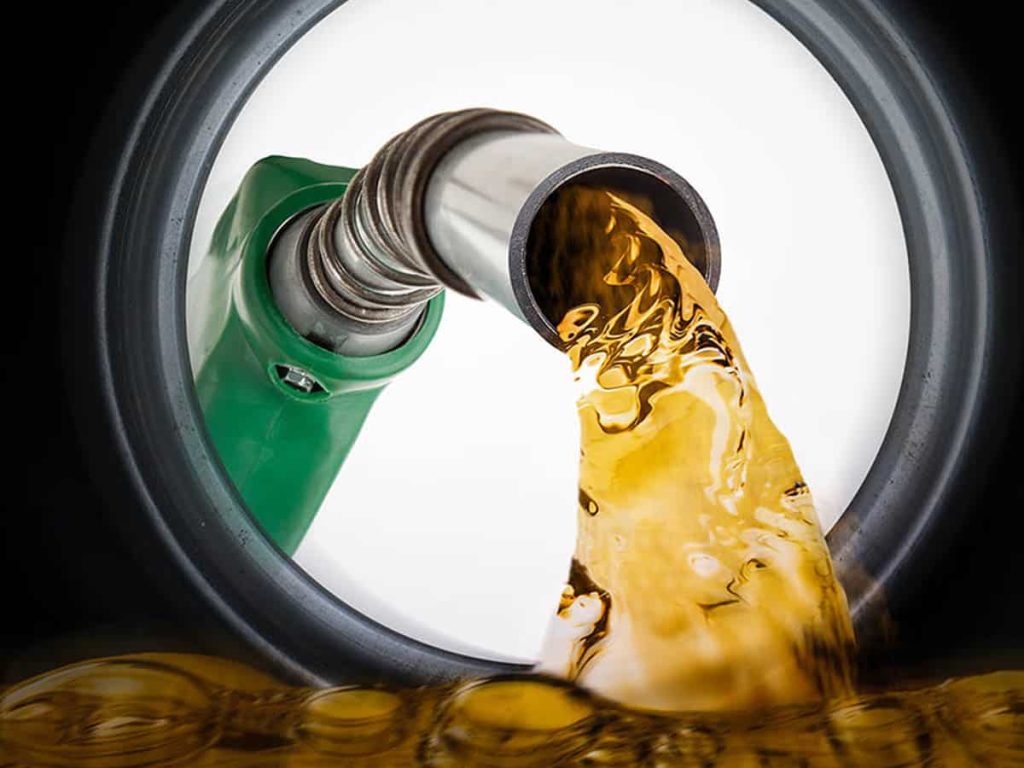
According to Mr. Nsiah, a functioning TOR has the potential to improve the affordability of petroleum products on the local market while supporting macroeconomic stability.
He explained that domestic refining reduces dependence on imports, which in turn can ease pressure on foreign exchange demand.
He noted that TOR’s operations could also help “support the stability of the Ghana cedi against its major trading currencies, especially the U.S. dollar,” at a time when exchange rate volatility continues to affect fuel prices and the cost of living.
Analysts have long argued that domestic refining is a key pillar in insulating the economy from external shocks in the global oil market, making TOR’s revival strategically significant.
Sustainability Hinges on Crude Supply

While praising the restart, Mr Nsiah cautioned that long-term sustainability would depend heavily on the consistent availability of crude oil and the business model adopted by the refinery.
“However, the sustainability of it depends on the availability of crude to process or refine and the kind of partnership that TOR engages with private companies who are likely going to use this particular facility for tolling services.”
Mr. Benjamin Nsiah, Executive Director of the Centre for Environmental Management and Sustainable Energy
Without guaranteed crude supply arrangements, he warned, the refinery risks operating below capacity, undermining efficiency and increasing costs over time.
In his view, TOR must evolve beyond a purely state-run model and integrate private sector participation to ensure steady throughput and operational efficiency.
Call for Government Financial Support

Mr. Nsiah was particularly direct about the financial realities facing the refinery, arguing that TOR currently lacks the balance sheet strength to independently finance crude oil purchases. He estimated that sustaining operations would require substantial monthly funding.
“I think that for us to sustain the gains made by the current management, the government, that is the Ministry of Finance and the Energy Ministry, must allocate about $100 million for sustainable supply of crude.”
Mr. Benjamin Nsiah, Executive Director of the Centre for Environmental Management and Sustainable Energy
He explained that TOR may need approximately $100 million each month to procure crude oil, adding that without state backing, this would be difficult to achieve.
“I don’t think that they have the books to be able to procure crude on their own, so they may need assistance from the central government.”
Mr. Benjamin Nsiah, Executive Director of the Centre for Environmental Management and Sustainable Energy
As an alternative or complementary solution, Mr. Nsiah proposed an integrated business model that would redirect some of Ghana’s crude oil resources toward domestic refining.
He suggested linking crude liftings from the Ghana National Petroleum Corporation (GNPC) directly to TOR, instead of exporting them.
“If we are not able to support them with a seed fund of $100 million, I think that we need to create an integrated business model where we link the liftings from GNPC… to the Ghana market where we link the liftings from GNPC direct to TOR to refine.”
Mr. Benjamin Nsiah, Executive Director of the Centre for Environmental Management and Sustainable Energy
According to him, refining Ghana’s own crude locally would generate greater value than exporting it, creating jobs, supporting local industries, and improving the financial viability of the refinery.
Risk of Repeating Past Failures
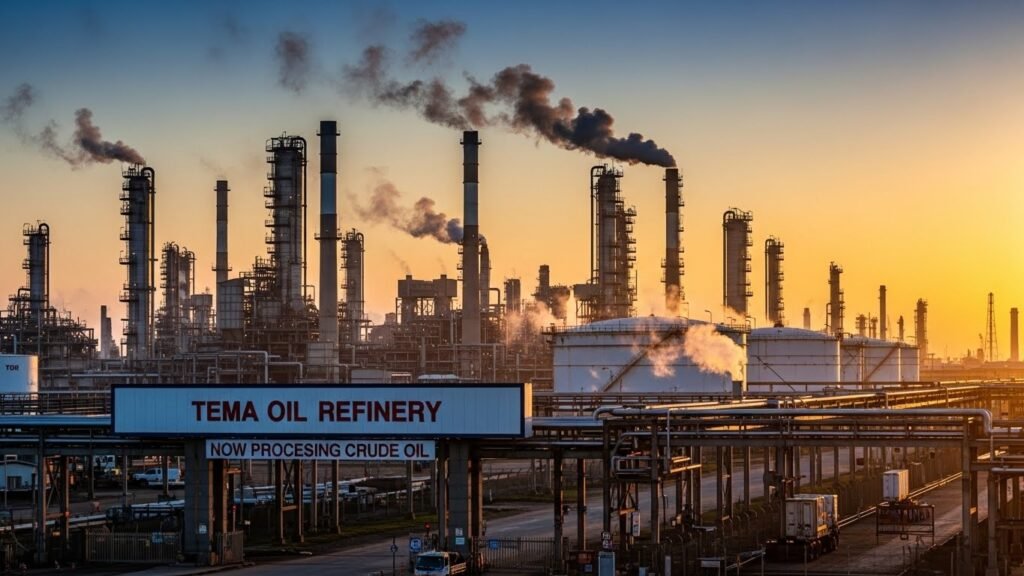
Despite the optimism surrounding TOR’s restart, the expert warned that failure to address crude supply and financing challenges could see the refinery relapse into inactivity.
“If you are not able to do this within the short and medium term, I think that this process that has just started is likely to end in a way that may not benefit us as a country.”
Mr. Benjamin Nsiah, Executive Director of the Centre for Environmental Management and Sustainable Energy
Underutilisation, he explained, would not only waste public investment but also impose long-term costs on the economy through higher fuel imports, foreign exchange pressure and job losses.
Mr Nsiah concluded that TOR’s revival represents a critical test for Ghana’s broader energy policy coherence.
“So it is good and we must commend the executive, but sustainability depends on government policy, especially making sure that there is availability of crude oil to refine or a seed fund to procure it, alongside strong private sector partnerships.”
Mr. Benjamin Nsiah, Executive Director of the Centre for Environmental Management and Sustainable Energy
As TOR resumes operations after years of dormancy, the coming months will determine whether Ghana can translate this milestone into lasting energy security and economic value.
READ ALSO: GDP Can’t Measure Empty Pockets: Bokpin Demands Jobs-Focused Economic Policy