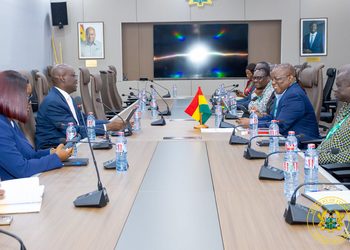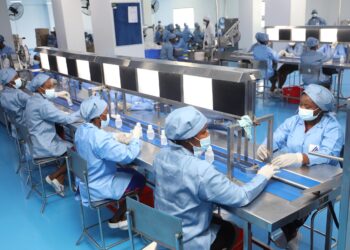
The World Bank has directed Ghana to focus on expanding Small and Medium Enterprises (SMEs) as its potential spans wide to boost job creation through inclusive- and productivity-driven growth.
According to the World Bank, a significant proportion of the working force can be classified under the SMEs, revealing the undeniable truth that jobs for the youth and women in Ghana depend on SMEs. The size of the sector also shows that adequate support will expand the growth contributors while increasing the productivity level in Ghana.
Ghana must anchor “an inclusivity and productivity-driven growth strategy that generates better jobs across all sectors,” the World Bank directs.
According to the World Bank, the new growth model will raise SMEs to the limelight for development focus, while anchoring Ghana’s drive for productivity and job creation in the sector. Increasing productivity is the way to go, and SMEs are the choice, the World Bank stated.
The African Union Development Agency-NEPAD (AUDA-NEPAD) also established that Ghana, extending to Africa, should focus on economic growth tailored to its economic structure, to accommodate indigenous growth and development. The peculiarity of SMEs’ dominance in Ghana and the Sub-Saharan Region makes it a crucial tool for economic growth and expansion.
“SMEs are crucial towards contributing to Africa’s inclusive socio-economic development and growth. This is because SMEs are generating work opportunities, income, and wealth creation, and thereby, enhancing poverty reduction.”
AUDA-NEPAD
According to the government of Ghana in 2024, SMEs constitute 92 percent of manufacturing, 70 percent of growth, and provide 80 percent of jobs in Ghana, proving their importance to socio-economic growth.
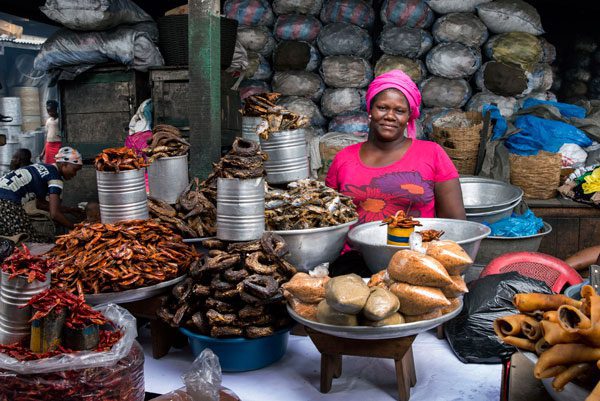
Unlocking Employment Growth through SMEs
A crucial challenge facing SMEs and job creation in Ghana is the growing “twin job challenge.” The twin job challenge is the region’s characteristic inability to provide employment opportunities for its growing youthful population, as well as improving working conditions – salaries, salary structure, and stability – for the population employed.
Low financing to SMEs continues to be a critical barrier to the acceleration of growth and development of SMEs in Ghana and the African continent. Ghana’s focus has been to generate growth within its borders by increasing access to capital.

There is a growing concern to strengthen the FinTech infrastructure to address the efficiency of delivering capital to SMEs and reducing the risks of recovery of funds by financial institutions.
The World Bank, in suggesting unlocking employment strategies, noted the high cost of doing business in Ghana, especially for small enterprises. Reduced cost will go a long way to attract and scale existing businesses. This requires eliminating private sector growth and development challenges.
Growing the skilled labour ecosystem pool also boosts human capital development. Basic skills development (numeracy and literacy skills, behavioural skills, time management and organization, leadership, and teamwork), and trade-specific competences must be tailored to the character and needs of the SME sector.
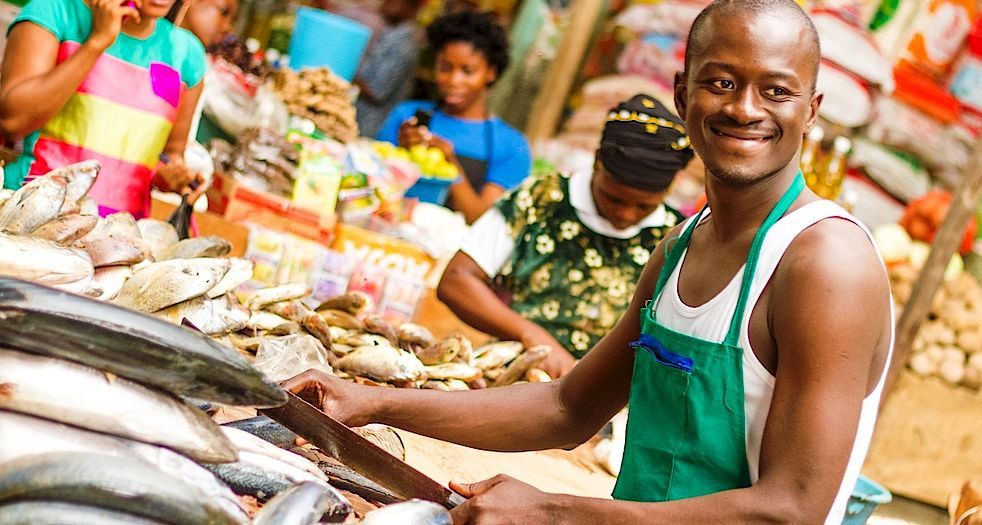
Adoption of digital technology for small businesses has been shown to increase Foreign Direct Investment (FDI) and increase productivity and employment. The World Bank mentioned that “the arrival of submarine fiber optic cables in Africa significantly improved access to high-speed internet, leading to employment gains of 5 to 7 percent in countries,” – such as Ghana and Nigeria.
The Bank, therefore, made the call that “national strategies should promote affordable access, expand infrastructure, and strengthen data systems—supported by shared facilities and hubs for entrepreneurship and training.” Improving various transport means to diversify the sector is also crucial. Transport costs significantly influence input costs.
A strong and inclusive institution for job creation should be a priority. Peace and stability, corruption reduced to its barest minimum, are key. With Ghana enjoying peace and stability, the government should focus on transparency, accountability, and effective institutions.

Encouraging private sector investment scales the productive sector. Potential areas of the sector include tourism and hospitality, agribusiness, healthcare, construction and housing, manufacturing, and digital services. Comparative advantage must be exploited by Ghana.
Other measures to unlock employment in SMEs include opening local markets by expanding and innovating, creating business-friendly environments, and tackling today’s job characteristics through structural economic reforms.
Unlocking economies of scale, high-value employment, and specialization will promote the efficiency and productivity of SMEs. A critical look at SMEs, as a critical key to development, requires the upgrade of the small and informal businesses.
READ ALSO: Vice President Proposes Fish Mall To Empower Women In Trade