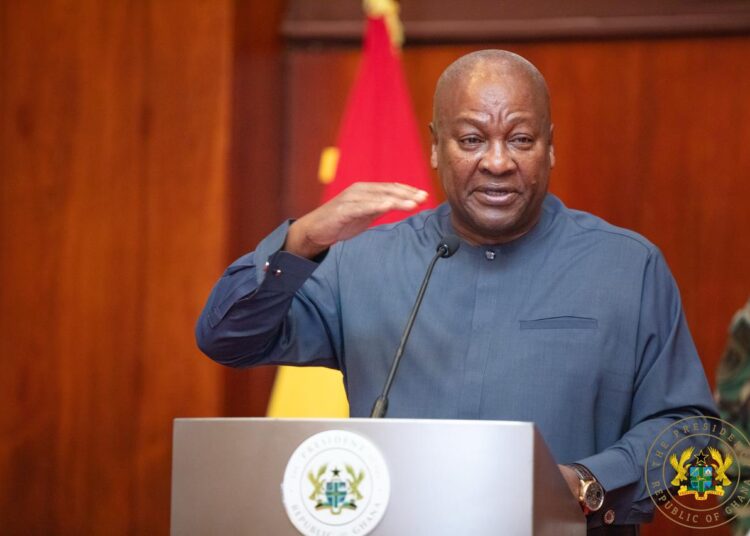
President John Dramani Mahama has ushered Ghanaians into 2026 with a message centered on prosperity, peace and progress, marking his first New Year address since returning to the presidency on January 7, 2025.
Writing on the first year of his consecutive second term mandate following his victory in the December 2024 general election, the President reflected on what he described as a period of recovery, reform, and renewed confidence in national governance.
In his greeting to the nation, President Mahama expressed optimism about the year ahead and urged citizens to see 2026 as an opportunity to consolidate gains made over the past twelve months. His address set the tone for an administration eager to project stability and purpose after a turbulent economic period in previous years.
The President is also expected to formally account for his first year in office in the coming days. According to officials, President Mahama will deliver a public address and hold a media encounter on January 7, 2026, to mark exactly one year since his inauguration.

The event is expected to provide a detailed assessment of the administration’s performance within the first year, outline remaining challenges, and set priorities for the year ahead.
Economic Turnaround
Economically, the first year of the Mahama administration has been defined by a notable rebound. The Ghanaian cedi has staged a strong recovery, appreciating by about 27 percent over the past year. By the end of 2025, the currency was trading at approximately 10.65 to the United States dollar on the interbank market.
This represented a sharp turnaround from late 2024, when the cedi was hovering near 14.70 to the dollar amid persistent depreciation pressures that strained businesses and households.
Inflation trends have followed a similar path of improvement. From a high of about 23.7 percent at the start of 2025, inflation declined steadily to reach 6.3 percent by November, bringing it into single digit territory.
This easing of price pressures has been cited by government officials as evidence of improved macroeconomic management and tighter coordination between fiscal and monetary authorities.
The administration has also acted quickly on several tax related campaign promises. Within its first year, the government abolished the Electronic Levy, the Betting Tax, the Covid 19 Levy and the Emissions Levy.
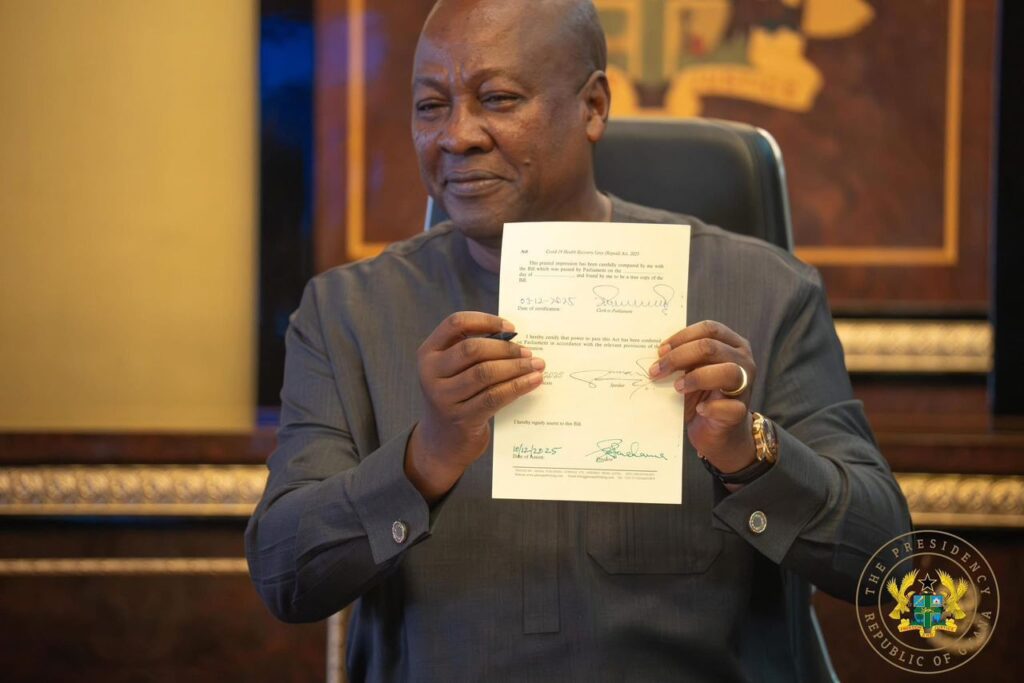
According to officials, these measures were designed to reduce the cost of living, support small businesses and stimulate broader economic activity by leaving more disposable income in the hands of citizens.
Growth indicators have shown moderate improvement. By the third quarter of 2025, the economy had recorded a growth rate of 5.5 percent. While acknowledging that challenges remain, the government has emphasized fiscal discipline as a central pillar of its economic strategy.
Reducing Public Expenditure and Power Stability
One of the most visible expressions of this commitment was the reduction in the size of government. The number of ministers was cut from over 120 to 60, and currently stands at 58 following the tragic deaths of two ministers in a helicopter crash on August 6. The decision was intended to reduce public expenditure and signal restraint at the highest levels of the executive.
In the energy sector, the administration managed to maintain stable power supply throughout the year, easing fears of widespread disruptions. Improved grid stability has been attributed to policy reforms, the renegotiation of debts owed to independent power producers and stronger compliance with the Cash Waterfall Mechanism. These steps have helped avert outages that previously undermined economic activity and public confidence.
Beyond the economy, President Mahama’s first year has placed strong emphasis on education and social protection. A flagship initiative has been the introduction of a No-Fee Stress Policy in tertiary education.
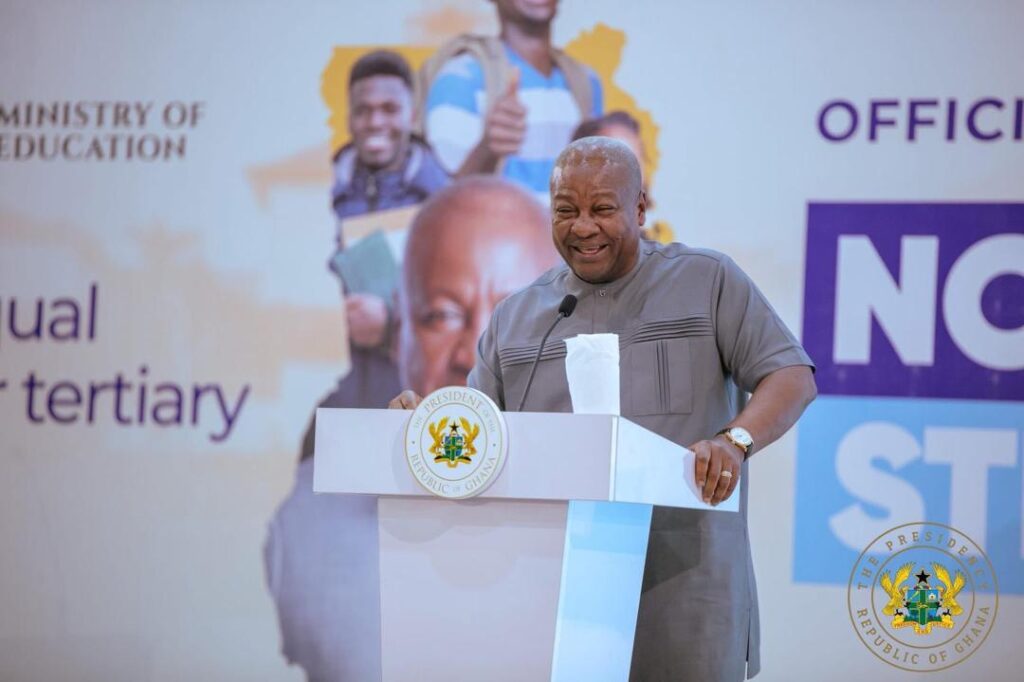
Under this programme, academic fees were waived for more than 156,000 first-year students enrolled in public tertiary institutions. The government also introduced free tertiary education for persons with disabilities, a move aimed at expanding access for a group that has historically faced significant financial barriers.
Good Governance Agenda
Governance and anti corruption efforts have featured prominently in the administration’s agenda. Following the submission of findings by the President’s preparatory team for Operation Recover All Loot, which was tasked with collating information on alleged corruption and the sale of public lands and properties, the Attorney General commenced prosecutions in several cases.
These include matters related to the National Signals Bureau and the Skytrain project, with indications that further cases will be pursued in 2026. As part of broader accountability measures, the administration enforced stricter asset declaration rules for public appointees.
Officials who defaulted were directed to forfeit four months of their salaries to the Ghana Medical Trust Fund, a sanction intended to reinforce compliance and ethical conduct.

In the natural resources sector, the government banned illegal and new mining activities in forest reserves and abolished Legislative Instrument 2462. These actions were aimed at strengthening environmental protection and reforming mining governance in response to public concern over land degradation and water pollution.
Independent assessments have offered a mixed but generally positive view of the administration’s performance. An audit by BudgIT Ghana scored the President at 72 percent on the 120 Day Social Contract, noting that 17 of the 26 promises had been fully delivered, while some structural economic reforms and customs related changes were still lagging.
Public sentiment appears to have improved as well. By late December 2025, President Mahama’s approval rating stood at 67 percent, with 56 percent of respondents reporting an improvement in their standard of living, according to a survey by Global InfoAnalytics.
As Ghana enters 2026, the President’s New Year message seeks to build on these gains achieved by his administration while acknowledging the work that still lies ahead.
READ ALSO: Fuel Prices Open 2026 with Sharp Declines