

Dr. Sandra Kwarteng Owusu, a Paediatric Pulmonologist at the Komfo Anokye Teaching Hospital, has backed government efforts to establish local vaccine manufacturing in Ghana, describing the initiative as a major step that could improve public confidence in immunization while strengthening the country’s healthcare system.
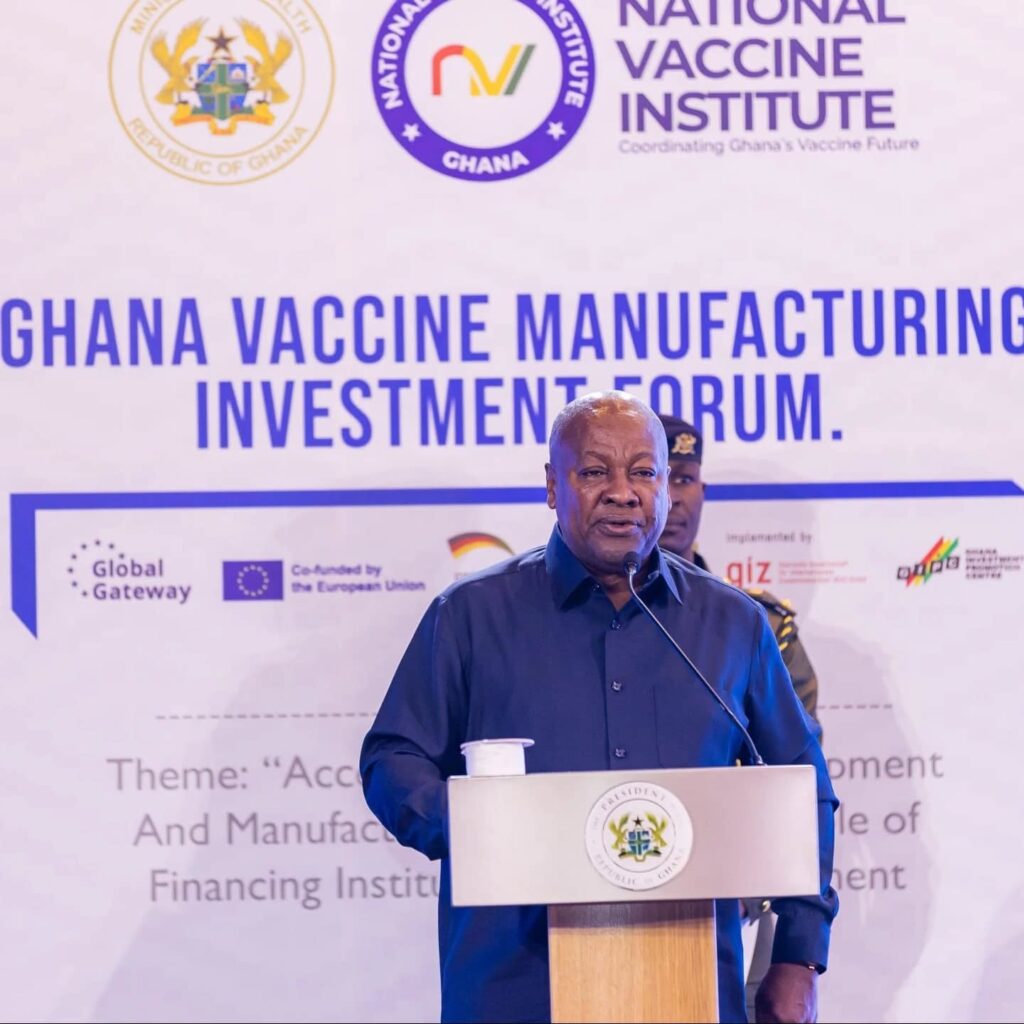
Speaking in an exclusive interview with The Vaultz News during activities marking World Immunization Week, Dr. Owusu said the government’s commitment to invest in vaccine production through the National Vaccine Institute and partnerships with global organizations such as Gavi could bring long term benefits to Ghana and the wider sub region.
According to her, building local vaccine manufacturing capacity would reduce Ghana’s heavy dependence on foreign vaccine production and improve the country’s ability to respond to public health challenges.
“Local manufacturing is good. We cannot forever rely on foreign production for everything,” she stated. Dr. Owusu explained that the COVID-19 pandemic exposed vulnerabilities in global vaccine supply chains, particularly for developing countries that depended heavily on imported vaccines.
She referred to the situation in India during the pandemic, noting that despite the country’s own struggles, India later emerged as a major vaccine manufacturing hub with institutions producing vaccines used in several countries, including Ghana.

According to her, some vaccines currently used in Ghana to protect children against diarrheal diseases are produced by manufacturing institutions in India, demonstrating the importance of local production capacity.
Local Production Could Boost Public Confidence
Dr. Owusu indicated that producing vaccines within Ghana could also help increase public trust in immunization programmes, especially among people who remain hesitant about vaccines.
She noted that vaccine hesitancy remains a challenge in some communities due to misinformation and distrust surrounding vaccines imported from abroad.
According to her, local production may help reassure people about vaccine safety because citizens would feel more connected to products manufactured within the country.
Dr. Owusu emphasized that improving confidence in vaccines remains essential in reducing preventable diseases among children and increasing immunization coverage nationwide.
She added that public trust in healthcare systems often improves when countries are able to develop and produce critical medical supplies independently.
Economic and Employment Benefits
Beyond healthcare advantages, Dr. Owusu said local vaccine manufacturing could create significant economic opportunities for many professionals in Ghana.
According to her, establishing vaccine production facilities would generate employment opportunities for scientists, researchers, healthcare professionals, and technical workers.
“Vaccine manufacturing has a scientific department that does the research and informs the manufacturing process on a day-to-day basis,” she noted. Dr. Owusu stressed that developing local scientific expertise through vaccine production could strengthen Ghana’s healthcare and research sectors over time.
She further indicated that the benefits of local manufacturing would extend beyond Ghana and positively impact neighboring countries within the sub region. “I think the ripple effect, the sub region will benefit to a great extent,” she added.
Reducing Dependence on Foreign Support
Dr. Owusu also highlighted the financial burden associated with relying heavily on imported vaccines and international donor support. According to her, vaccines supplied from abroad are expensive, especially considering the large number of children who require immunization every year.
“The vaccines that come from outside, they are not cheap; If it is just for one child, one dose, it is not a problem. But we are talking about millions of children on a daily basis.”
Dr Sandra Kwarteng Owusu, a Paediatric Pulmonologist at the Komfo Anokye Teaching Hospital
She explained that although international partnerships remain important, depending entirely on external support for vaccine supply places pressure on national healthcare systems.
Dr. Owusu, therefore, believes that establishing local production facilities could significantly reduce production costs while ensuring a more stable vaccine supply for Ghana. “If we can have local manufacturing, I think it will bring the cost of production down extensively,” she said.
According to her, lower production costs could ultimately help improve vaccine accessibility and strengthen national immunization programmes.
Government and Gavi Partnership Praised
Dr. Owusu commended the collaboration between the Ghanaian government and Gavi aimed at supporting vaccine sufficiency initiatives and expanding immunization access.
She described the partnership as a positive step toward building long-term healthcare resilience in Ghana. “Gavi is supporting, and it is good,” she stated.

According to her, sustained investment in vaccine infrastructure, scientific research, and local manufacturing capacity would position Ghana to respond more effectively to future health emergencies while protecting children against preventable diseases.
Dr. Owusu stressed that the country should continue prioritizing healthcare innovation and immunization programmes to safeguard public health.
She reiterated that local vaccine manufacturing would not only improve healthcare delivery but also strengthen national confidence in vaccines and reduce preventable child deaths. “I think it is a great thing,” she concluded.
READ ALSO: Trump Touts New Ballroom Project