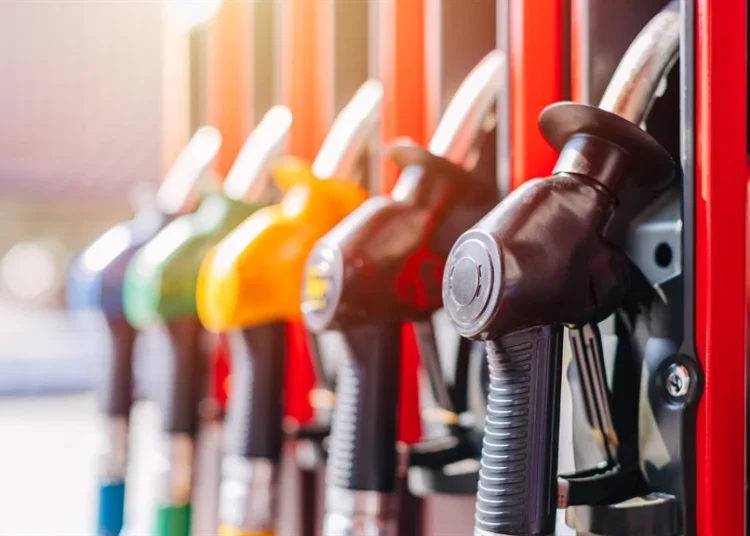
Motorists in Ghana may see a slight reduction in petrol prices in the first pricing window of February, following recent movements in international petroleum product markets.
The Chamber of Petroleum Consumers Ghana (COPEC) says current global trends point to a marginal downward adjustment at the pumps, even as diesel prices are expected to remain largely unchanged.
The outlook, according to COPEC, reflects price movements in refined petroleum products on the international market, which continue to influence domestic fuel pricing under Ghana’s deregulated downstream petroleum regime.
Speaking on the expected price movements, the Executive Secretary of COPEC, Duncan Amoah, explained that international dynamics remain the key driver of pump prices in Ghana. While diesel prices on the global market have experienced some upward pressure, he noted that this has not translated directly into higher prices locally.
“Prices are likely to remain stable for this window,” Mr Amoah said, explaining that although diesel prices had risen by about five per cent internationally, the local market is unlikely to reflect that increase. He attributed this to recent pricing patterns observed among Bulk Distribution Companies (BDCs).

According to him, available data suggest that the cost of diesel supplied by some BDCs has eased on a week-on-week basis, creating room for price stability at the retail level.
While diesel prices are projected to hold steady, COPEC believes petrol prices may experience a small downward adjustment during the upcoming pricing window.
“So, you are likely to see some nominal adjustment in price of petrol, while diesel is likely to be maintained at the current levels that you find it.”
Duncan Amoah, Executive Secretary of COPEC
Industry observers say even marginal price reductions could provide some relief to consumers, particularly commercial transport operators and households already grappling with broader cost-of-living pressures.
Deregulated Market Limits Sharp Swings

Under Ghana’s deregulated petroleum pricing system, Oil Marketing Companies (OMCs) independently determine pump prices based on international product prices, exchange rate movements, taxes, and distribution costs. As a result, price changes tend to be gradual unless there are sharp shocks in the global market.
COPEC has consistently argued that this framework helps cushion consumers from sudden price spikes, especially during periods of short-term volatility in global crude and refined product markets.
Mr Amoah noted that current market conditions do not justify aggressive price increases, particularly given the easing trends among suppliers in recent weeks.
Despite the relatively calm outlook for February, COPEC has warned that the situation could change rapidly if geopolitical tensions escalate.
Mr Amoah urged authorities and industry players to remain vigilant, noting that global oil prices are highly sensitive to political developments in major producing regions.
“If it happens, you potentially are looking at crude jumping over 80 to the 100th region in no time,” he warned, referring to the risk of sudden spikes in crude oil prices.
He pointed to ongoing global tensions and supply uncertainties, explaining that even markets currently cushioned by oversupply could turn bullish under the right conditions.
Oversupply Has Helped Contain Prices
Mr Amoah noted that recent global oversupply has played a critical role in preventing sharp price increases, even in the face of geopolitical risks.
“The Venezuelan situation could have equally resulted in the spike, but then the global over-supply situation saw to it that it didn’t turn out bullish.”
Duncan Amoah, Executive Secretary of COPEC
Analysts say this balance between geopolitical risk and supply fundamentals has helped stabilise prices in recent months, offering temporary relief to importing countries like Ghana.
As Ghana heads into the February pricing window, consumers are being advised to temper expectations, as any petrol price reduction is likely to be modest rather than dramatic.
COPEC maintains that sustained relief at the pumps will depend on continued stability in international markets and favourable exchange rate conditions.
For policymakers, the organisation stressed the importance of closely monitoring global developments, particularly in oil-producing regions, to anticipate potential shocks that could affect import costs and domestic prices.
While the immediate outlook suggests stability, COPEC cautioned that the petroleum market remains highly fluid, and price movements could change quickly if global conditions shift.
READ ALSO: CMC Launches Project Elevate at Africa Trade Summit