
National Anti-Illegal Mining Operations Secretariat (NAIMOS) has executed a series of high-impact raids against illegal mining enclaves at Cape 3 Points within the Ahanta West Municipality to safeguard the Western Region’s ecological integrity.
The task force supported by Blue Water Guards and local intelligence targeted clandestine operations embedded within the Cape Three Points forest general area.
These maneuvers resulted in the immobilization and seizure of heavy-duty machinery, the destruction of makeshift processing structures, and the confiscation of weaponry, signaling a zero-tolerance approach to environmental degradation.
“The extended presence is also in line with NAIMOS strategic deployment plan which has as Ahanta west, specifically Cape Three Points being one of NAIMOS’ 21 permanent deployment locations. Nonetheless, NAIMOS will continue to maintain presence in the area to keep the galamseyers off the forest and along waterways where they have been cleared. This is part of our offensive against illegal mining.”
Mr. Elikem Kotoko, Deputy Forestry Commission CEO

Expanding on the dawn operations, the task force first breached an illegal site situated within a rubber plantation at Ahanta Bisease, where miners had attempted to thwart enforcement by partially stripping their own excavators.
In response, NAIMOS officers further neutralized the equipment by extracting fuel pumps and destroyed the surrounding infrastructure used to facilitate the washing of ore.
In the same operation, the officers shifted to Abase Tumentu, where two Sany excavators were successfully confiscated and evacuated to the NAIMOS equipment holding base in Takoradi.
These actions underscore a tactical shift toward “sustained presence and asset denial,” ensuring that the logistical backbone of these illegal syndicates is systematically dismantled.
Strategic Asset Denial and Forest Preservation

The recent raids in Ahanta West represent a critical pillar of the government’s 2026 roadmap to achieve “Blue Water” restoration and forest reserve protection.
By targeting the Cape Three Points forest reserve, a biodiversity hotspot NAIMOS is utilizing a “permanent deployment” model to prevent the immediate re-entry of miners.
Industry experts note that the immobilization of excavators through the removal of fuel pumps and control boards creates a prohibitive financial burden for illegal operators.
This strategy of “logistical strangulation” is designed to make galamsey not only legally risky but economically unviable within the municipality.
Integration with National Anti-Galamsey Pillars

These field operations are closely aligned with the Ministry of Lands and Natural Resources’ five-pillar strategy, specifically the Law Enforcement and Reclamation segments.
The proactive seizure of two Sany excavators at Abase Tumentu directly feeds into the new national tracking and equipment control mandate, which aims to centralize the management of heavy machinery used in the extractive sector.
Furthermore, the collaboration with local intelligence units reflects an evolving “community-led enforcement” model, where residents act as the primary tripwires for identifying deep-forest incursions that are often invisible to traditional patrols.
Maintaining Permanent Security Zones
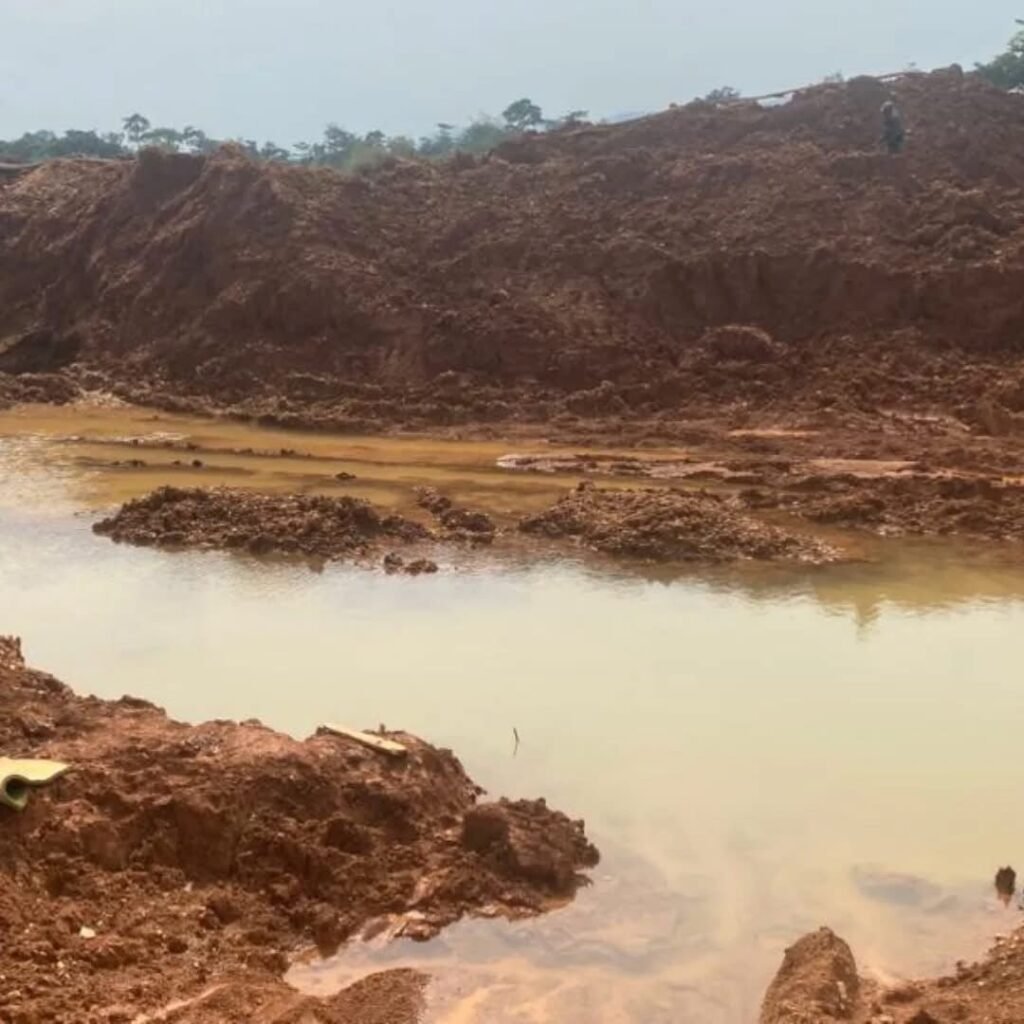
The transition of Cape Three Points into one of 21 permanent deployment locations marks a significant escalation in the state’s territorial control over mineral-rich zones.
Unlike previous “hit-and-run” operations, the current framework focuses on holding the ground to allow for natural or assisted reclamation of the rubber plantations and waterways.
As the Task Force maintains its “continuous presence” in the Western Region, the goal remains clear: to transition from reactive raids to a state of permanent exclusion for unlicensed operators, thereby protecting the Hwin and Butre River basins from further siltation and chemical pollution.
READ MORE: GCB Stands Alone as GSE Ends Week