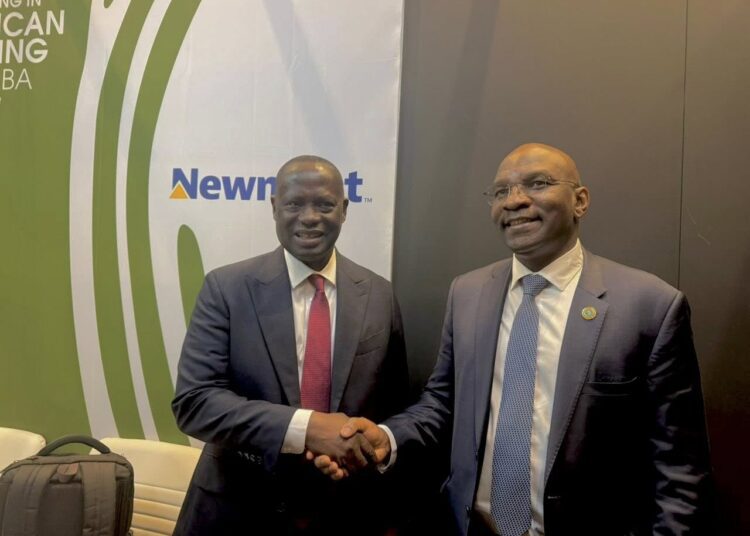
Minister for Lands and Natural Resources, Hon. Armah-Kofi Buah, has held a strategic and productive meeting with Mr. Denys Denya, Senior Vice President of the African Export-Import Bank (Afreximbank), on the sidelines of the Mining Indaba 2026 in Cape Town.
The high-level engagement sought to establish a robust framework for financial and technical cooperation aimed at unlocking the latent value within Ghana’s mineral reserves.
Central to the dialogue was the mobilization of long-term capital to catalyze large-scale industrialization and the strengthening of regional supply chains, ensuring that the nation’s wealth in gold, bauxite, and iron ore serves as a bedrock for sustainable economic transformation.
“Our discussions centered on advancing priority projects in gold, bauxite, and iron ore. Key focus areas included mobilizing long-term financing, supporting value addition initiatives, and strengthening regional minerals supply chains.”
Hon. Armah-Kofi Buah
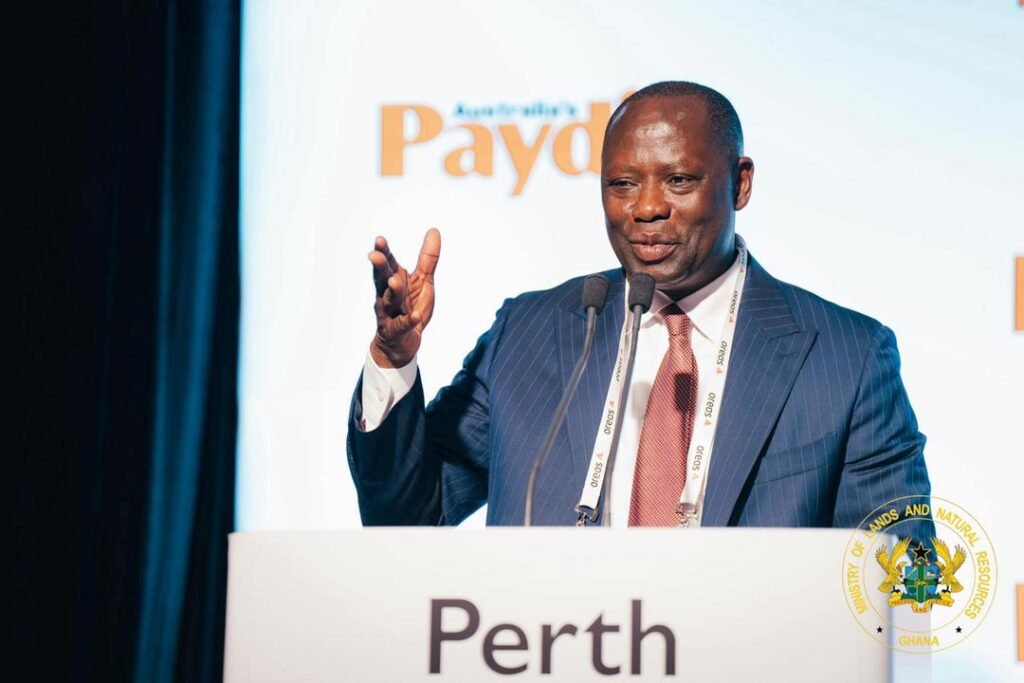
The discussions underscored a pivotal shift toward “value addition initiatives” that move beyond the traditional “export of raw ores” to the domestic processing of minerals.
By engaging Afreximbank, the Ministry of Lands and Natural Resources aims to bridge the financing gap that has historically hindered the development of integrated industries, such as an established bauxite-to-alumina refinery and iron ore-to-steel production lines.
Furthermore, the meeting highlighted the critical role of the Responsible Cooperative Mining and Skills Development Programme (rCOMSDEP) in this transition.
This initiative is designed to “formalize artisanal and small-scale mining (ASM)” by introducing “shared infrastructure and improved access to finance,” thereby integrating small-scale operators into a regulated, traceable, and environmentally responsible value chain.
Financing the Future of Integrated Mineral Value Chains
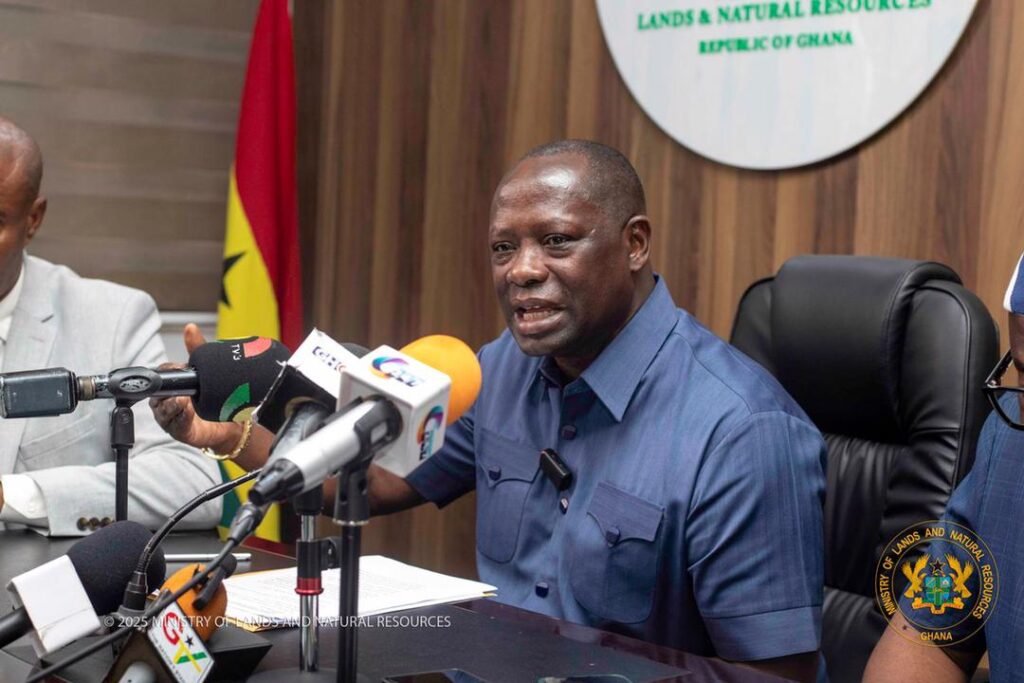
The collaboration with Afreximbank is poised to address the structural bottlenecks that have limited Ghana’s ability to maximize its “geological endowment.”
By focusing on iron ore and bauxite, the government is steering the industry toward the “Integrated Iron and Steel Industry” and the “Integrated Aluminium Industry” models.
Leveraging Afreximbank’s expertise in trade finance and project preparation, Ghana intends to build the necessary infrastructure including rail and processing hubs to lower operational costs and attract “de-risked private capital.”
This strategy is expected to yield significant foreign exchange inflows and reduce the country’s reliance on imported steel and aluminum products, effectively “retaining mineral wealth within the local economy.”
Transforming ASM through the rCOMSDEP Framework
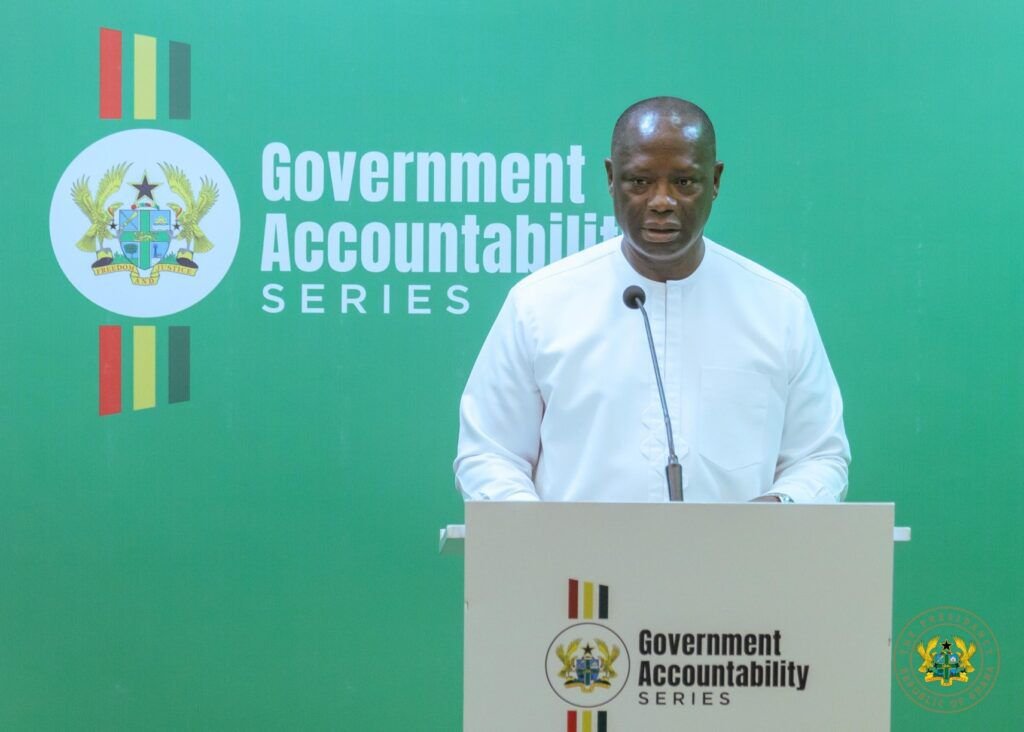
A cornerstone of the Minister’s presentation was the rCOMSDEP initiative, which represents a “paradigm shift from punitive enforcement to inclusive formalization.”
Unlike previous attempts to curb illegal mining, rCOMSDEP focuses on empowering miners through “cooperative-based ownership” and the provision of “mercury-free processing technology.”
By establishing centralized processing zones, the government can ensure “enhanced traceability” of gold production, making Ghanaian gold more attractive to international markets that demand high ESG (Environmental, Social, and Governance) standards.
This formalization effort is not merely a regulatory exercise but a socioeconomic tool to “create thousands of high-value jobs” and restore lands degraded by previous unregulated activities.
Strengthening Regional Resilience and Industrial Clusters

Beyond domestic growth, the engagement seeks to position Ghana as a “hub for regional mineral supply chains” within the context of the African Continental Free Trade Area (AfCFTA).
The partnership with Afreximbank will facilitate the creation of “cross-border industrial clusters,” allowing Ghana to collaborate with neighboring mineral producers to achieve the economies of scale required for advanced manufacturing.
This regional approach ensures that the “minerals industry becomes a catalyst for broader industrialization,” supporting everything from local equipment manufacturing to technical service provision.
Ultimately, this strategic alliance aims to transform the extractive sector from a primary export engine into a “sophisticated industrial ecosystem” that drives national development and regional integration.
READ ALSO: Government Launches Nationwide Coconut Farmer Training Program