
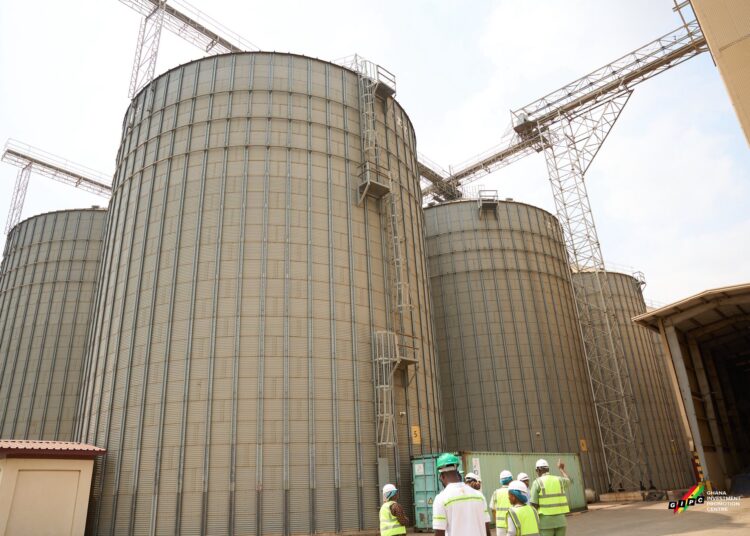
The Ghana Investment Promotion Centre (GIPC) has intensified its investor aftercare operations as Olam Agri Ghana Limited prepares to commission its multi-million-dollar pasta manufacturing facility in March 2026.
During a high-level working visit to the plant in Kpone-Tema, GIPC Chief Executive Officer (CEO) Mr. Simon Madjie reviewed the project’s final implementation milestones, signaling a significant shift in Ghana’s drive toward industrial import substitution.
“The state-of-the-art facility is set to become a cornerstone of the nation’s agro-industrial landscape, moving beyond flour milling into high-value downstream production to meet the soaring domestic demand for wheat-based staples”
GIPC
As the government pushes for a 24-hour economy and enhanced food security, the Olam Agri expansion is being positioned as a “blueprint for how private capital can strengthen local value chains.”
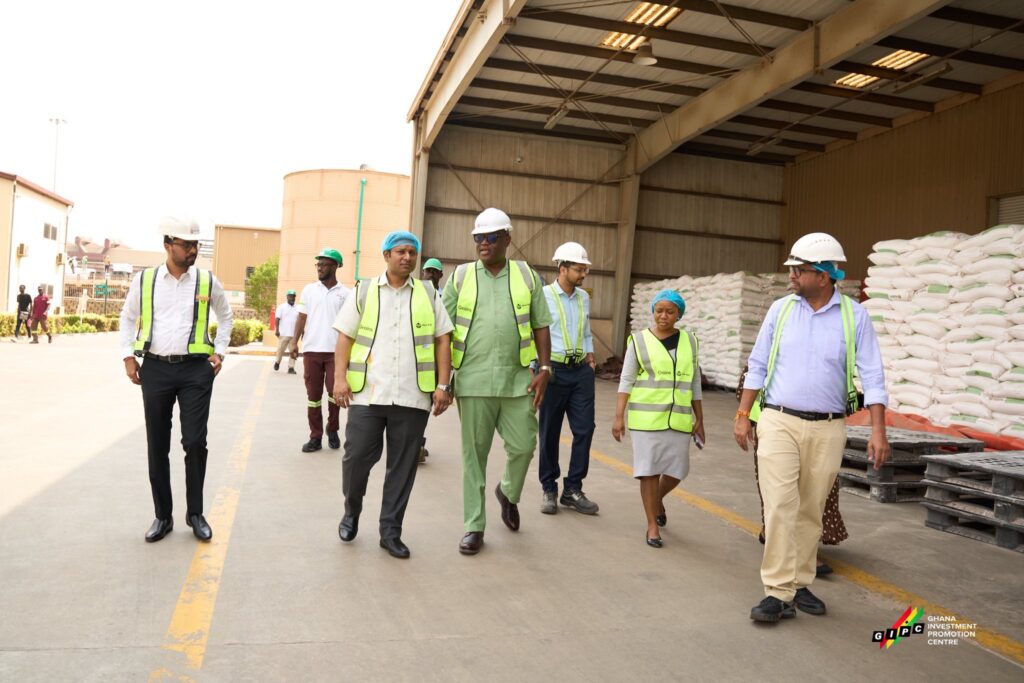
The new plant represents a strategic evolution for Olam Agri, which has operated its flagship wheat mill in Tema since 2012. By transitioning into pasta manufacturing, the company is effectively capturing a larger share of the $325 million domestic pasta market, which has historically relied on heavy imports from Turkey and Italy.
The facility is equipped with advanced, energy-efficient technology designed to deliver large-scale production volumes while minimizing its environmental footprint.
“This is a clear demonstration of how private sector investment can drive industrial growth, create jobs, and strengthen local production capacity. Olam Agri’s expansion into pasta manufacturing is timely and aligned with Ghana’s broader agenda to reduce reliance on imports”
Mr. Simon Madjie, GIPC CEO
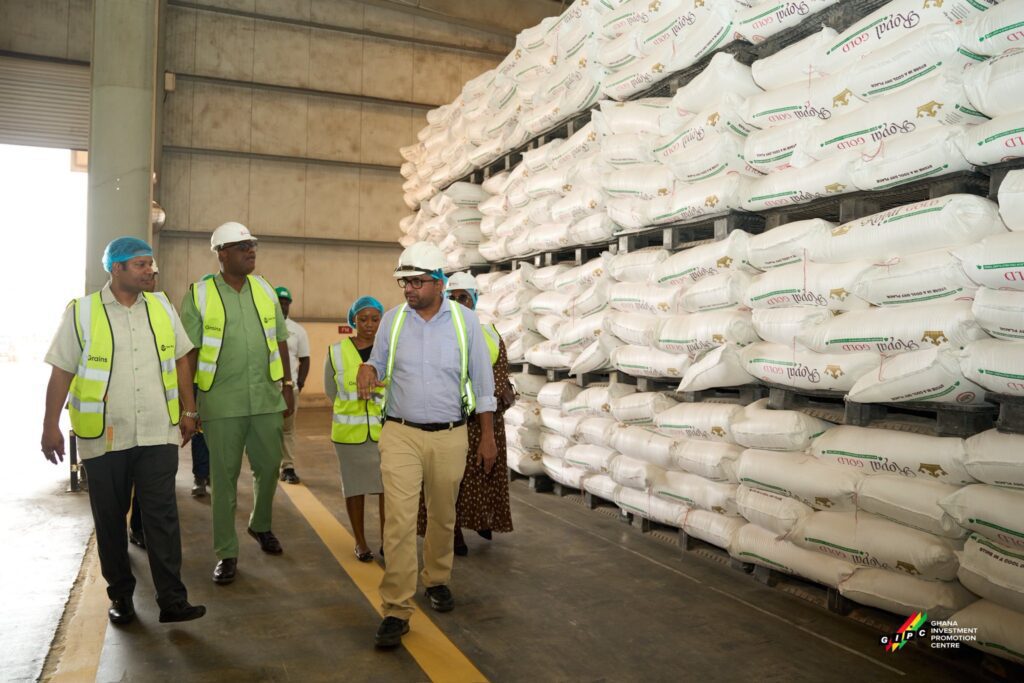
In discussions with the plant’s management, Mr. Madjie emphasized that GIPC’s role extends far beyond initial registration. He noted that the “proactive aftercare” mission is designed to identify and resolve logistical or regulatory bottlenecks before the March inauguration, ensuring the facility hits its projected capacity of 43,000 tonnes per year without delay.
Jobs and Sourcing Strategy
Beyond the physical infrastructure, the engagement focused on the social and economic impact of the Kpone-Tema hub. The plant is expected to support hundreds of direct and indirect jobs, adding to Olam Agri’s existing network of 1,000+ employees in Ghana.
A critical component of the discussion involved the company’s raw material sourcing strategy, which integrates its global grain origination capabilities with local milling to ensure a stable and affordable supply of high-quality pasta.
By milling premium wheat locally for its own pasta production, Olam Agri maintains strict quality control and pricing stability – a key factor in making “Made in Ghana” pasta a competitive alternative to foreign brands.
GIPC observed that the timing of the factory’s launch is critical as Ghana navigates a broader economic transformation. Under the Agriculture for Economic Transformation Agenda (AETA), the Ministry of Trade and Agribusiness has identified the “Feed the Industry” sub-programme as a priority.
The Olam plant serves this agenda by turning raw grain into a finished consumer good, retaining the industrial value within the country. “The pasta project is designed to significantly reduce Ghana’s dependence on imported pasta products,” GIPC added.

As the March commissioning date approaches, the GIPC has pledged continued support to Olam Agri to facilitate the scale-up of its operations. For the Ghanaian consumer, the opening of the Kpone-Tema facility promises a more resilient supply chain and affordable access to locally produced, high-quality pasta.
READ ALSO: GoldBod Engages Jewellers and Fabricators Association on Licensing Reforms