

The Ghana Centre for Democratic Development (CDD-Ghana) has credited President John Dramani Mahama with demonstrating a responsive and listening style of governance, describing it as a defining feature of his administration’s first year in office.
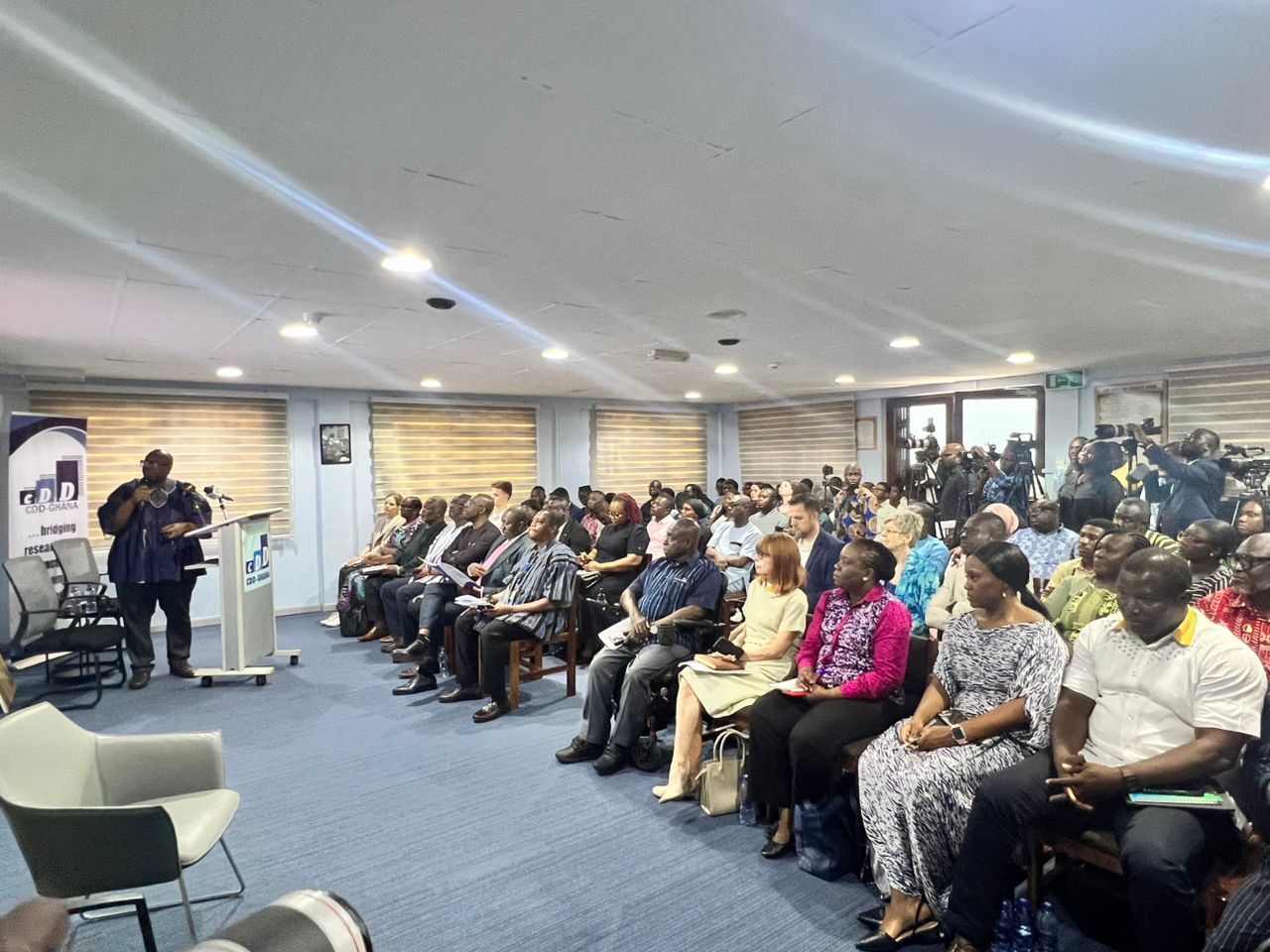
This assessment was delivered during a one-year governance review presentation led by Dr. Kojo Pumpuni Asante, Director of Policy Engagement and Partnerships at CDD-Ghana.
According to Dr. Asante, the Mahama administration has deliberately cultivated what he described as a reset in the relationship between government and citizens. Central to this approach, he explained, is an open door posture that prioritises engagement, consultation, and feedback as core elements of governance.
He noted that this orientation signals a shift toward a more participatory political culture in which citizens and civil society organisations are not merely observers but active contributors to policy outcomes.
Dr. Asante observed that the President’s emphasis on engagement and listening was evident across several major policy decisions during the review period. He pointed to the handling of the lithium agreement as a clear example of this posture.
According to him, public debate and stakeholder input around the agreement helped shape government action, demonstrating a willingness to listen to concerns and refine policy choices in response to public scrutiny.

Another significant example cited was the abrogation of the Strategic Mobilisation Limited contracts. Dr. Asante explained that the decision reflected responsiveness to sustained public criticism and civil society advocacy.
In his view, the episode illustrated how citizen agitation, when met with openness at the executive level, can lead to meaningful policy reversals without undermining institutional authority.
The assessment also highlighted the establishment of the Constitutional Review Committee as further evidence of the administration’s consultative approach. Dr. Asante noted that constitutional reform processes are often sensitive and politically charged, making inclusive engagement essential.
He argued that by opening space for dialogue on constitutional matters, the government signalled its readiness to address long-standing governance concerns through broad-based participation rather than unilateral decision-making.
Civil Society Involvement in National Policy
Beyond specific policy reversals, CDD-Ghana’s review emphasised the breadth of civil society involvement in national policy forums convened over the past year.
Dr. Asante referenced active CSO participation in the Education Forum and the National Economic Forum, describing these platforms as important avenues for incorporating diverse perspectives into policy planning.
He added that such engagements contribute to policy legitimacy by ensuring that decisions are informed by expertise, lived experience, and public interest considerations.
The creation of the National Anti-Corruption Action Plan was also cited as part of this broader engagement framework. According to Dr. Asante, anti corruption initiatives require sustained public trust to succeed, and that trust is strengthened when policy development processes are transparent and inclusive.

He suggested that the administration’s consultative posture has helped reinforce confidence in governance reforms aimed at accountability and integrity. A recurring concern during political transitions, Dr. Asante noted, is whether incoming governments will abandon projects initiated by their predecessors for partisan reasons.
In this regard, he identified positive signals from the Mahama administration. He cited the continuation of work on the Ofankor Nsawam Road as an example of policy continuity informed by citizen advocacy rather than political rivalry.
He explained that public agitation played a role in sustaining attention on the project, while presidential openness to feedback ensured that the concerns were addressed.
According to the CDD-Ghana presentation, these examples collectively suggest a leadership style that values responsiveness over rigidity. Dr. Asante argued that the administration’s willingness to reconsider positions and adjust policies in response to feedback reflects political maturity rather than weakness.
In his assessment, such flexibility is essential for building durable public trust, particularly in a complex socio-economic environment. However, the review also implied that sustaining a listening posture requires institutionalisation.
Openness Beyond a Presidential Term
Dr. Asante cautioned that openness should not depend solely on presidential disposition but must be embedded within governance systems to endure beyond individual leadership terms.
He suggested that structured engagement mechanisms, clear feedback loops, and accountability frameworks are necessary to ensure that citizen input consistently informs decision-making.
CDD-Ghana’s assessment situates the Mahama administration’s first year within a broader conversation about democratic governance and state responsiveness. The organisation emphasised that listening governance is not an end in itself but a means to improve policy quality, enhance legitimacy, and reduce social tension.
When citizens see their concerns reflected in policy outcomes, Dr. Asante argued, democratic institutions are strengthened. As the administration moves beyond its first year, the think tank indicated that expectations will shift from posture to performance.
While engagement and consultation are essential foundations, CDD-Ghana noted that the true test will lie in the tangible outcomes of these processes. Policies shaped by listening must ultimately deliver improved services, economic opportunities, and social equity.
The one-year assessment by CDD-Ghana thus presents a cautiously positive picture of the Mahama administration’s governance style. By highlighting openness, responsiveness, and engagement, the organisation framed the President’s listening posture as a constructive departure from more insular approaches to leadership.
Whether this approach can be sustained and translated into long-term institutional reform will remain a key focus of future governance reviews.
READ ALSO: COCOBOD Board Sacrifices Allowances to Support Reforms