
Ghana has For decades, worn the crown of one of the Africa’s leading gold producers, yet the paradox of “poverty amidst plenty” continues to fuel a national outcry for a fundamental governance shift.
As global gold prices hit record highs and the demand for “green minerals” like lithium surges, a growing coalition of Civil Society Organizations (CSOs), think tanks, and policy analysts are demanding that the state moves beyond being a mere rent-collector to a sovereign owner that maximizes value for its citizens.
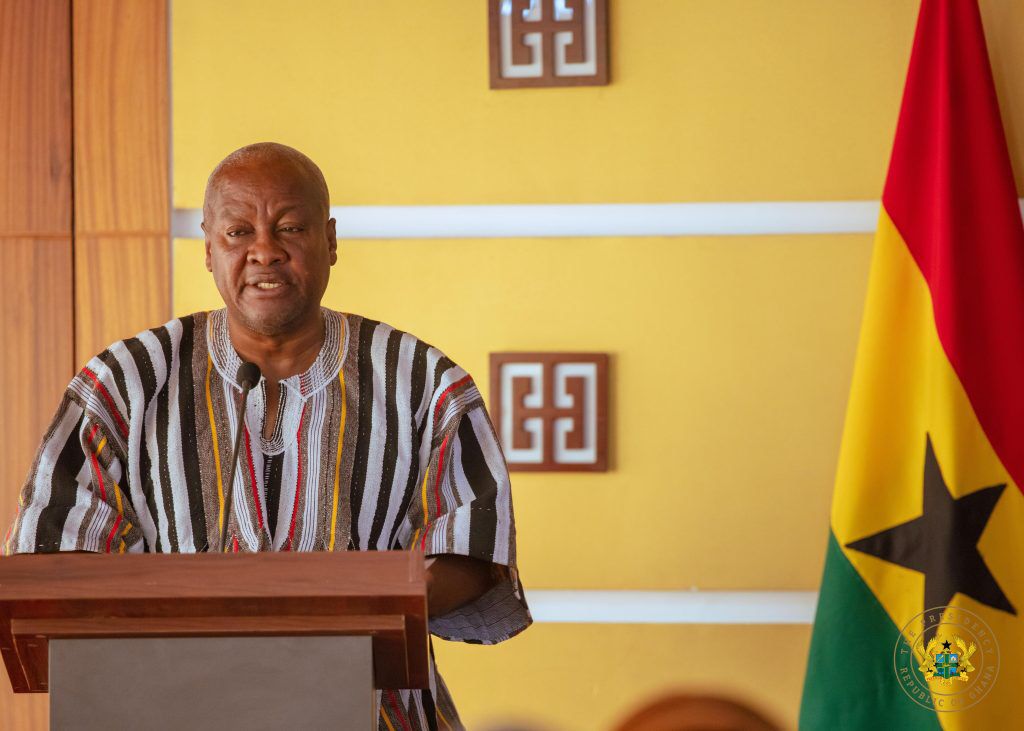
“Persistent discrepancies in Ghana’s gold export records… were among the key motivations for establishing the Ghana Gold Board. It shows what greater control over our natural resources can achieve, and Africa should not shy away from asserting such control.”
H.E. John Dramani Mahama, President of Ghana.
Redefining the Fiscal Regime and Stability Agreements
The current agitation centers on the perceived inadequacy of Ghana’s fiscal take from its mineral wealth.
Analysts argued that legacy “stability agreements,” which often freeze tax and royalty rates for up to 15 years, have insulated multinational firms from contributing fairly during price booms.
The call is now for sliding-scale royalty system, and a significant reduction in the duration of these agreements.
Ghana’s existing framework operated through stability agreements providing investment security by freezing fiscal terms for periods typically spanning 5-15 years. Fiscal predictability has decreased substantially due to the “need for retroactive policy application and stability agreement elimination to ensure the state captures its fair share.”
Beyond royalties, think tanks like the Africa Centre for Energy Policy (ACEP), IMANI centre for policy and education and Institute of Economic Affairs (IEA) have scrutinized controversial third-party revenue assurance contracts.
They further argued that instead of outsourcing oversight, the state must empower its indigenous concessions such as Engineers and Planners, etc to take over the extraction of these minerals for national benefit.
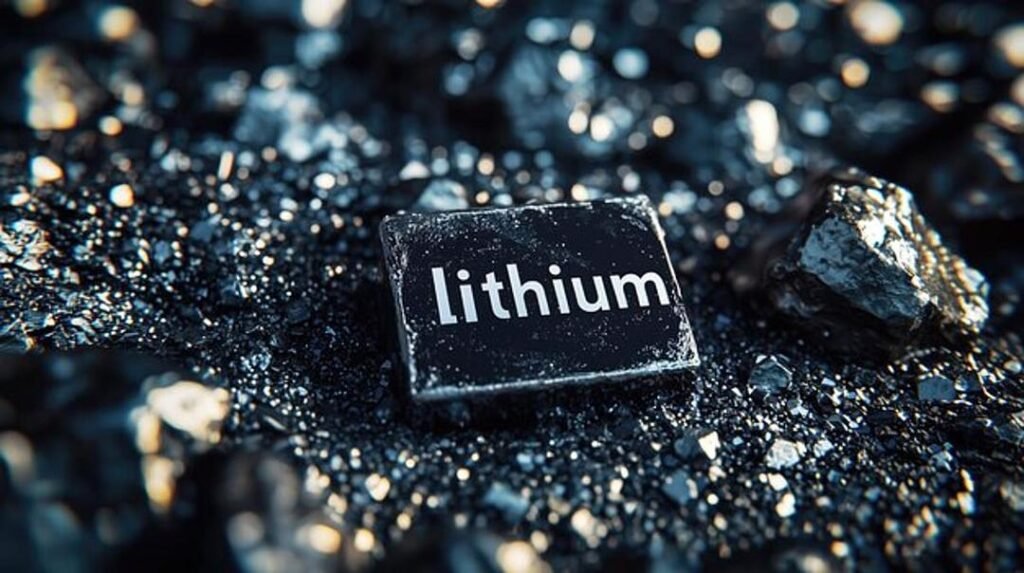
“This is the smart way of managing resources in the 21st century. Developing the lithium value chain locally will not only boost revenue but also create thousands of green jobs for our people.”
Institute of Economic Affairs (IEA)
Institutional Reform and the Fight Against “Ecocide”
A governance shift is not merely about money; it is about the survival of Ghana’s ecosystem. The rise of “galamsey” (illegal mining) has prompted CSOs to demand a more radical legal approach.
No longer satisfied with standard regulation, advocates are pushing for “Ecocide” laws to criminalize the large-scale destruction of water bodies and forest reserves.
“What we’re witnessing in Ghana is civil society refusing to accept the normalization of mass environmental destruction… the demand for ecocide law isn’t abstract. It’s about survival.”
Ghana Coalition Against Galamsey.
Stakeholders also highlight the “excessively centralized” nature of mining governance. The Centre for Public Interest Law (CEPIL) and Wacam have consistently pointed out that local communities, who bear the brunt of mining’s environmental costs, are often sidelined in the licensing and benefit-sharing processes.
A shift toward mineral sovereignty requires a decentralized model where host communities have a “Free, Prior, and Informed Consent” (FPIC) right to refuse or shape projects on their lands.
Strategic Value Addition and Resource Nationalism

The final pillar of the demanded shift is the transition from exporting raw ores to establishing a robust domestic value chain.
The recent establishment of the Ghana Gold Board (GoldBod) in 2025 serves as a flashpoint for this debate.
Proponents see it as a bold step toward resource sovereignty, while critics worry about potential market distortions.
As the 2026 legislative reforms approach Parliament, the consensus among policy analysts is clear: Ghana’s path to true mineral sovereignty lies in a transparent, accountable, and value-driven governance framework.
The era of “digging and shipping” must give way to a sophisticated “mineral-based industrialization” that secures the future of the Black Star.
READ ALSO : BoG’s Rate Cuts Fail as Banks Shut Credit Doors