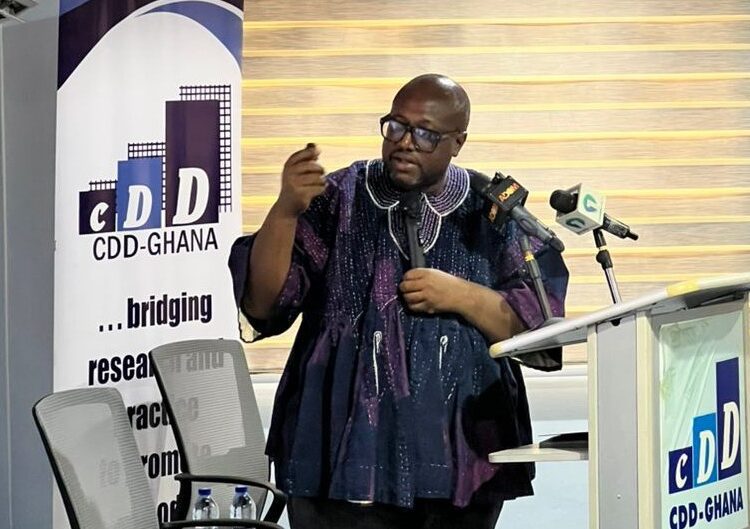
The Ghana Centre for Democratic Development has delivered a cautious but pointed assessment of the human rights landscape under President John Dramani Mahama’s first year in office, warning that gains in engagement and openness risk being undermined by unresolved threats to press freedom, digital rights, and constitutional liberties.
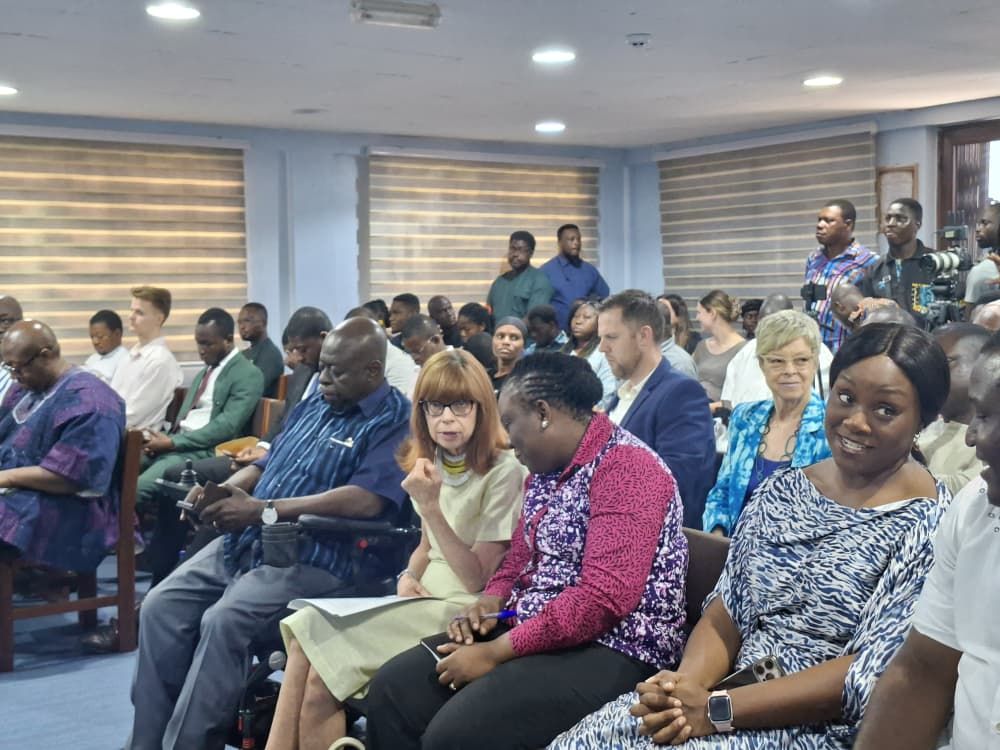
The concerns were raised during the One-Year Assessment of the Mahama Administration organised by the Ghana Centre for Democratic Development and led by Dr Kojo Pumpuni Asante, Director of Policy Engagement and Partnerships.
At the outset, Dr. Asante acknowledged that the Mahama administration has sent what he described as encouraging signals in its approach to civic engagement.
Government interactions with citizens and the media have generally been more open, reflecting a conscious effort to rebuild trust and reduce hostility between the state and the public. This posture, he said, marked an improvement from past tensions and suggested an understanding of the importance of dialogue in democratic governance.
However, he cautioned that positive signalling alone cannot substitute for firm institutional safeguards. In his words, “the signalling has been good in terms of engagement with citizens and the media,” but that progress, he stressed, is fragile when underlying violations persist.
Violence Against Journalists Remains Unchecked
One of the most troubling issues raised was the continued violence against journalists. Despite Ghana’s reputation as a regional leader in press freedom, attacks on media practitioners have not abated.

Dr. Asante referenced a recent press conference by the Ghana Journalists Association, which drew attention to assaults, intimidation, and harassment of journalists in the line of duty.
“How are we going to deal with this and really put a stop to the violence against journalists?” he asked, framing the issue as a test of the government’s commitment to safeguarding free expression.
He warned that without decisive action, such incidents risk normalising impunity and eroding confidence in the state’s ability to protect media workers. Violence against journalists, he said, remains one of the clearest indicators that human rights protections are not yet secure.
Arrests and the Governance of Digital Space
Beyond traditional media, the assessment highlighted growing anxieties around digital rights. In recent months, several content creators have been arrested and detained for allegedly making false statements online. According to Dr Asante, these cases raise fundamental questions about how Ghana governs its digital space.
The issue, he explained, is not merely about misinformation but about who decides what constitutes falsehood and how enforcement is carried out. “It really brings the question about the adjudication or the governance of the digital space into my brain,” he said, noting the absence of a clear and rights respecting legal framework.
Currently, the Ministry of Communication has proposed about 15 bills aimed at regulating various aspects of digital activity. Dr. Asante argued that this legislative effort should be the focal point of reform.
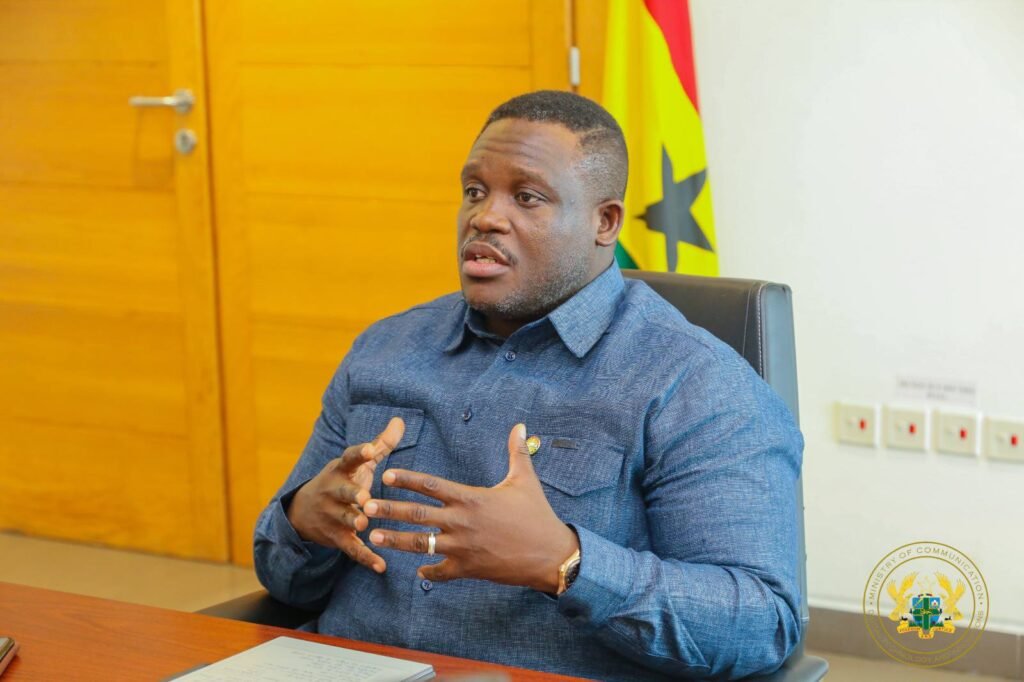
Rather than relying on arrests and discretionary policing, he said Ghana must define a coherent legal regime that balances regulation with constitutional freedoms. A recurring theme in the assessment was the danger of sliding back into criminalisation of speech.
Ghana repealed its criminal libel laws years ago, a reform widely celebrated as a milestone for democracy. Dr Asante warned that recent actions risk reversing that progress in practice, even if not in law. “Criminalising speech in this way can impact on whistleblowers,” he cautioned.
The fear of arrest, he explained, can deter citizens from speaking out against wrongdoing, even when their claims are legitimate. He pointed to what he described as selective enforcement, where critical commentary about government officials attracts swift police action while similar conduct among private individuals goes unaddressed.
This inconsistency, he argued, fuels perceptions of bias and undermines the principle of equal protection under the law, adding that people “post false news about each other all the time,” yet law enforcement responses appear uneven.
Anti LGBT Bill and Constitutional Concerns
The return of the anti LGBT bill to Parliament was identified as another major human rights flashpoint. Dr Asante said the constitutional defects previously flagged by civil society have not been resolved, even though the bill has resurfaced in largely its original form.
According to CDD-Ghana, the proposed legislation poses a direct threat to Chapter Five of the Constitution, which guarantees fundamental human rights and freedoms.
“That bill basically throws out Chapter Five of the Bill of Rights,” Dr. Asante said, warning that its provisions could infringe on freedoms of association, expression, and media practice.
He also questioned the procedural posture of the bill as a Private Member’s initiative, arguing that government cannot abdicate responsibility when legislation carries such sweeping constitutional implications. In his view, Parliament cannot credibly insulate itself from scrutiny on matters it deems controversial.
Taken together, the issues outlined by CDD-Ghana point to a broader challenge confronting the Mahama administration. While engagement and openness have improved, persistent violations and legislative risks threaten to erode those gains.
The organisation’s message was not one of outright condemnation but of urgency. Democratic credibility, Dr. Asante suggested, rests not on rhetoric but on restraint and consistency.
Protecting journalists, safeguarding digital expression, and aligning legislation with constitutional guarantees are not optional extras but core obligations of democratic governance.
As Ghana navigates an increasingly complex information environment, the first-year assessment of the Mahama’s administration serves as a reminder that human rights progress is reversible.
The test for the administration, CDD-Ghana concluded, lies in whether positive signals can be translated into durable protections that secure press freedom and digital rights for all citizens.
READ ALSO: GIISDEC Intensifies Engagement over Mineral Resource Estimation