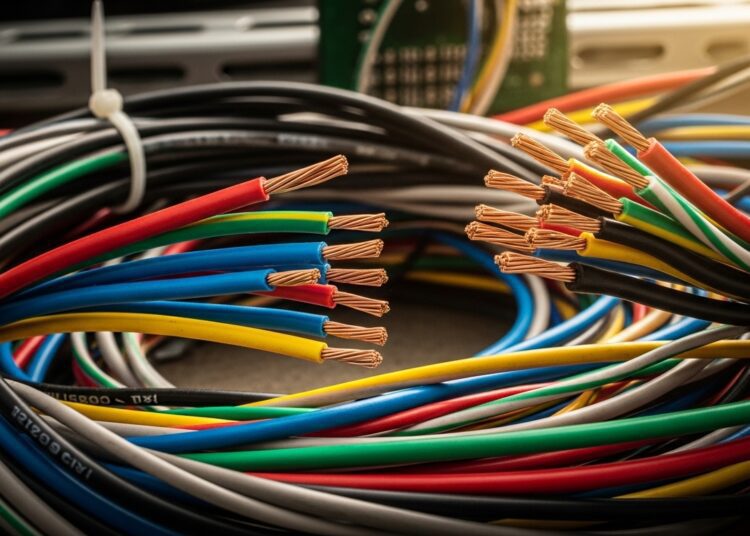
The Energy Commission has intensified enforcement of the Electrical Wiring Cables Regulations, 2023 (L.I. 2478), strengthening oversight of the manufacture, importation, distribution, sale and use of electrical wiring cables and accessories across the country.
The move, anchored under the Electrical Wiring Cables Regulations, is aimed at safeguarding quality standards, improving traceability and protecting consumers from substandard electrical products that pose safety risks.
Speaking at the launch of the Low Smoke Anti-Counterfeit Cable by Nexans Kabelmetal Ghana Ltd, Acting Executive Secretary Adwoa Serwaa Bondzie underscored the Commission’s renewed commitment to enforcing compliance within Ghana’s electrical cable market.
“Compliance is no longer optional in Ghana’s electrical cable market. When standards work, systems work. And when systems work, lives are protected.”
Acting Executive Secretary Adwoa Serwaa Bondzie
Ensuring Traceability and Accountability
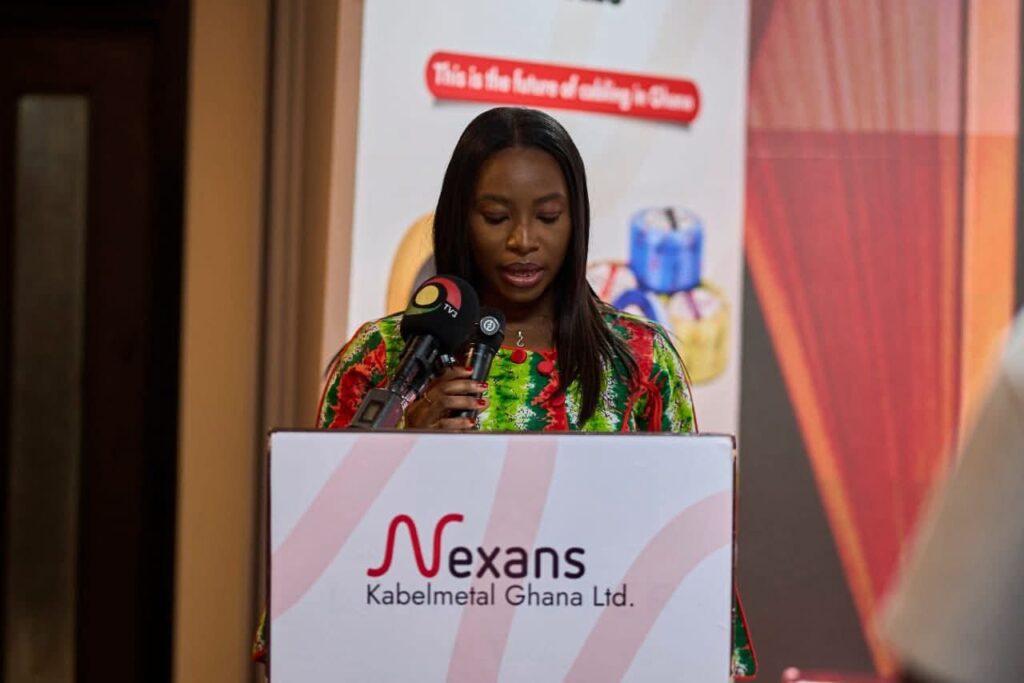
According to the Commission, the Electrical Wiring Cables Regulations, 2023 were introduced to ensure that all cables and accessories circulating on the Ghanaian market meet approved standards and can be traced to their source.
Ms Bondzie explained that the regulations are structured to make products traceable, enforce strict compliance and hold companies accountable for the quality of materials they manufacture or distribute.
The strengthened oversight regime is designed to eliminate grey areas within the supply chain, where counterfeit and substandard products often infiltrate the market.
She emphasised that ensuring compliance is not simply a regulatory obligation but a public safety imperative, as poor-quality wiring materials can compromise entire installations and endanger lives.
Protecting Consumers and Property
The Acting Executive Secretary stressed that substandard cables and accessories pose serious risks to households, businesses and public infrastructure.
Electrical fires and system failures are frequently linked to inferior materials that do not meet required technical specifications.
“These measures are critical to protecting consumers and ensuring that electrical installations are not compromised by substandard materials.”
Acting Executive Secretary Adwoa Serwaa Bondzie
The Commission believes that strict enforcement of the regulations will enhance public confidence in the electrical market and reduce preventable hazards associated with unsafe installations.
The latest regulatory push builds on the implementation of the Electrical Wiring Regulations, 2011 (L.I. 2008), which established standards for electrical installation practices in Ghana.
Since the introduction of those earlier regulations, the Energy Commission has intensified inspections and deployed digital monitoring tools to improve compliance and professionalism across the industry.
One of the key innovations introduced is the Installation Completion Certificate Application Platform (ICCAPP), a digital system designed to streamline inspection and certification processes.
The ICCAPP platform has strengthened transparency and accountability by ensuring that installations are properly certified before being connected to the national grid.
Collaboration to Curb Substandard Imports
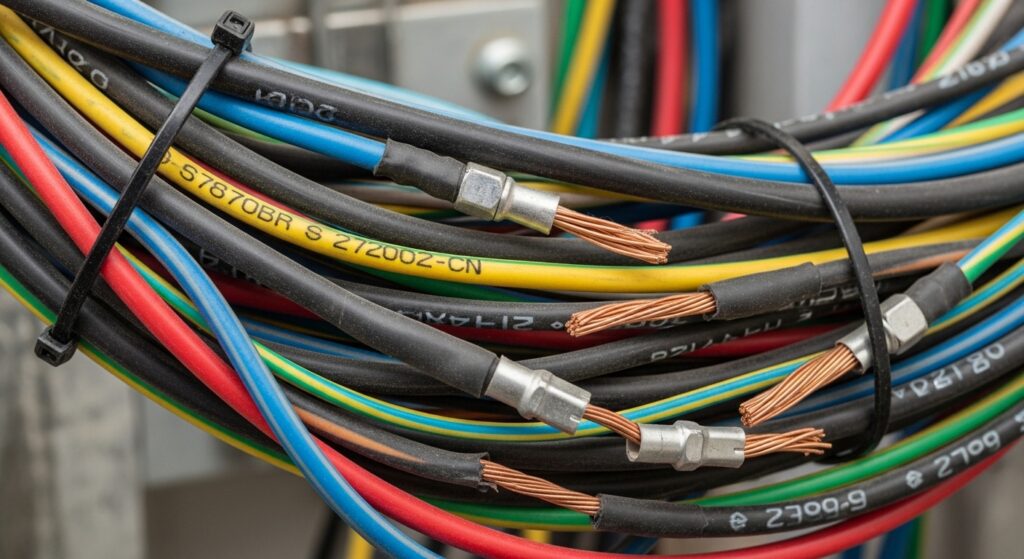
Recognising that many substandard electrical materials enter the country through import channels, the Commission has deepened collaboration with the Ghana Standards Authority and port authorities.
This inter-agency cooperation aims to intercept inferior products at source, preventing them from reaching the domestic market.
By aligning regulatory enforcement with standards verification at the ports, authorities hope to close gaps that previously allowed counterfeit cables to circulate.
The Commission described the partnership as part of a broader shared commitment between regulators and industry stakeholders to uphold safety and quality benchmarks.
The launch of the Low Smoke Anti-Counterfeit Cable by Nexans Kabelmetal Ghana Ltd was highlighted as an example of how private sector players can complement regulatory efforts.
Low-smoke cables are designed to minimise toxic emissions in the event of a fire, thereby enhancing safety in residential and commercial buildings.

The Commission encouraged manufacturers and distributors to embrace innovation and invest in quality assurance systems that align with national standards.
Officials say sustained compliance will require collective responsibility, with industry players adopting robust internal controls while regulators maintain vigilant oversight.
The Energy Commission reiterated that ensuring safe electrical installations is not optional but essential to protecting lives, property and the integrity of Ghana’s electrical market.
With stronger inspections, digital monitoring and inter-agency collaboration now in place, the Commission aims to build a safer, more transparent and accountable electrical market.
Ultimately, regulators maintain that when standards are respected and systems function effectively, the benefits extend beyond compliance, reinforcing public safety and sustaining confidence in Ghana’s electrical infrastructure.
READ ALSO: DVLA Must Focus on Road Safety, Not Expansion Abroad – CDD-Ghana Fellow