Chief Executive Officer of the Ghana Minerals Commission, Mr. Isaac Tandoh, has described the newly commissioned B5 Plus Limited steel balls manufacturing plant as a pivotal “game-changer” for the nation’s extractive industry.
Officially inaugurated, at Lakpleku, near Ningo Prampram, the state-of-the-art facility represents the first of its kind in Ghana, specifically engineered to produce the high-quality grinding medium essential for mineral processing.
The plant’s launch, presided over by H.E. President John Dramani Mahama, signifies a monumental shift toward industrial self-reliance, moving the country away from its historical dependence on expensive imported consumables that have long strained the mining sector’s operational budgets.
“This plant is not just an addition to our industrial landscape; it is a turning point that ensures greater economic value is retained within Ghana. By producing steel balls locally, we are directly reducing our import bill, conserving foreign exchange, and creating sustainable, high-value opportunities for our people.”
Mr. Isaac Tandoh,

This landmark investment by B5 Plus Limited is strategically positioned to overhaul the local mining supply chain by domesticating the production of forged steel balls, a critical input that was previously almost entirely import-dependent.
By localizing this manufacturing capacity, the facility is expected to drastically shorten procurement lead times and enhance cost-efficiency for mining firms operating within the country.
Furthermore, the initiative aligns with the government’s broader industrialization agenda, effectively conserving valuable foreign exchange and ensuring that a greater share of the mining value chain’s economic wealth is retained within the Ghanaian economy.
Strengthening the Mining Supply Chain and Operational Efficiency

The commissioning of the Lakpleku facility marks a definitive end to the era where Ghanaian mines relied on a volatile global market for grinding media.
With an in-country manufacturing hub, mining companies can now benefit from “supply chain resilience,” as the proximity of the plant eliminates the logistical bottlenecks and high freight costs associated with international shipping.
Mr. Tandoh noted that this localization “fortifies Ghana’s beneficiation framework,” allowing mines to operate with leaner inventories and more predictable overheads. This structural shift is anticipated to improve the global competitiveness of Ghana’s mineral exports by lowering the cost of production at the primary processing stage.
Catalyzing Industrial Multipliers and Technical Capacity

Beyond the immediate benefits to gold and base metal producers, the B5 Plus plant acts as a catalyst for “accelerating industrial multipliers” across the broader economy.
The facility’s operations are set to stimulate growth in ancillary sectors such as logistics, fabrication, and engineering services.
Central to this transformation is the development of a highly skilled industrial workforce; the plant is designed to serve as a hub for technology transfer, providing Ghanaian youth with “sustainable pathways to participate in high-value manufacturing.”
This focus on technical capacity building ensures that the nation is not just a consumer of technology but a proficient operator of sophisticated industrial systems.
Fostering a Resilient Mining-Industrial Complex
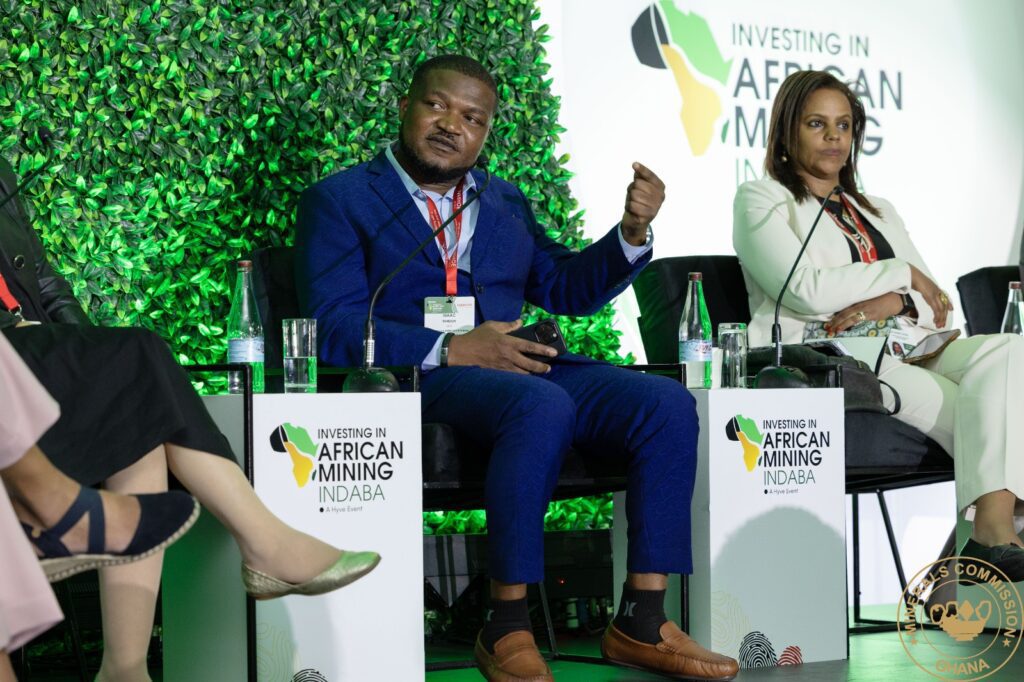
The Minerals Commission has reaffirmed its unwavering commitment to enforcing “robust local content compliance” to ensure that strategic investments like those of B5 Plus Limited thrive.
By transitioning from a raw material exporter to a jurisdiction that manufactures its own mining inputs, Ghana is actively building an “integrated mining-industrial complex.”
This evolution is critical for long-term economic stability, as it shields the local industry from global supply shocks while fostering a hospitable climate for further capital investment.
As Mr. Tandoh affirmed, the partnership between the regulator and the private sector is the cornerstone of “securing inclusive, sustainable economic growth” for the next generation of Ghanaians.
READ ALSO: Construction Inflation Drops to 3.9%