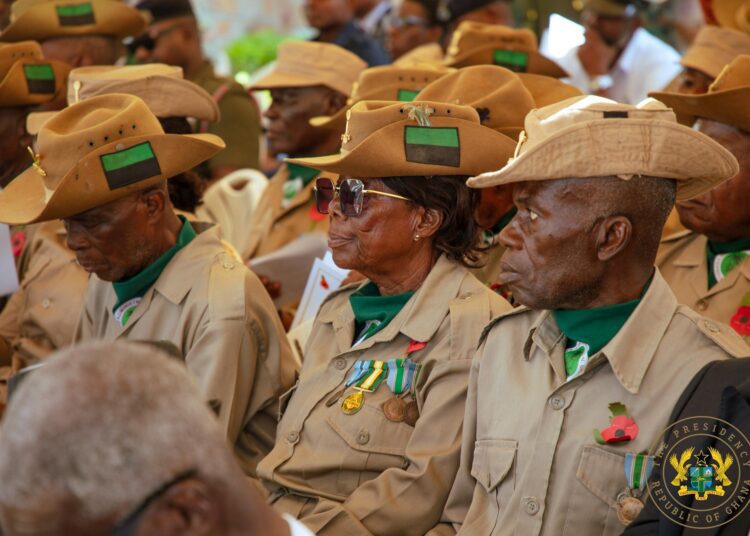
The Ghana Armed Forces has announced that government has approved and will begin payment of gratuity arrears owed to retired military personnel under Constitutional Instrument 129, bringing to an end a dispute that has lingered for more than five years.
The decision follows sustained engagements between the Military High Command and the Ministries of Finance and Defence aimed at resolving challenges surrounding the implementation of the revised gratuity formula introduced in 2020.
According to a statement issued by the Department of Public Relations at General Headquarters in Burma Camp, Accra, government has endorsed a clear two year phased roadmap for settling the arrears.
The approval means that all eligible retirees who left service from November 2020 onwards will receive payments calculated under the new gratuity framework as stipulated by CI 129.
Payment Plan and Beneficiaries
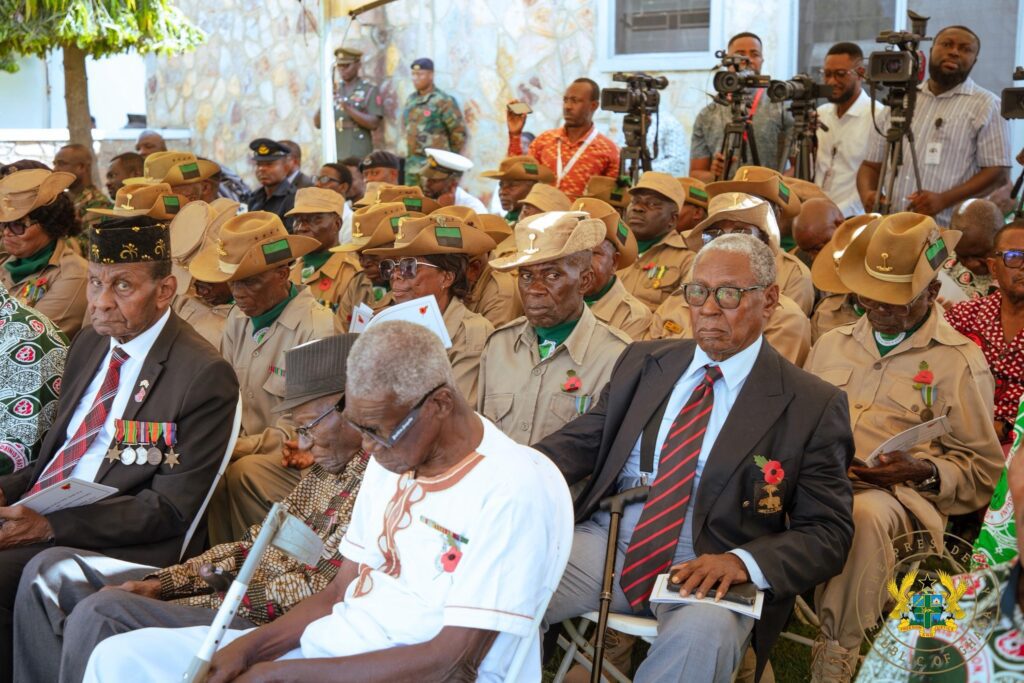
Under the approved arrangement, a total of 2,393 retired personnel will benefit from the payments. This includes 238 retired officers and 2,155 soldiers who exited the service after the revised gratuity formula came into effect but were unable to receive their full entitlements due to funding constraints.
“Key highlights of the approval are that all personnel who retired from November 2020 will receive arrears based on the new gratuity formula. Payments will be made in four instalments between February 2026 and December 2027”.
Veronica Adzo Arhin, Captain (Ghana Navy), Acting Director General Public Relations
The first tranche will be released by the close of business on Friday, 27 February 2026. A total of 238 officers and 2,155 soldiers will benefit. The statement further noted that all future retirements will now be processed fully in line with CI 129, eliminating uncertainty for serving personnel approaching retirement and restoring confidence in the military pension and gratuity system.
Background to the Dispute
Constitutional Instrument 129, introduced in 2020, revised the gratuity formula for members of the Ghana Armed Forces with the aim of better reflecting years of service and improving post retirement welfare.
However, despite its legal backing, the revised formula was not funded at the time, leading to delays and dissatisfaction among retired personnel who had expected improved benefits.
The matter became a source of concern within military circles, as affected retirees waited several years for clarity. Upon assumption of office, the current Military High Command initiated fresh consultations with relevant state institutions to find a lasting solution. These discussions eventually produced the phased payment framework now approved by the government.
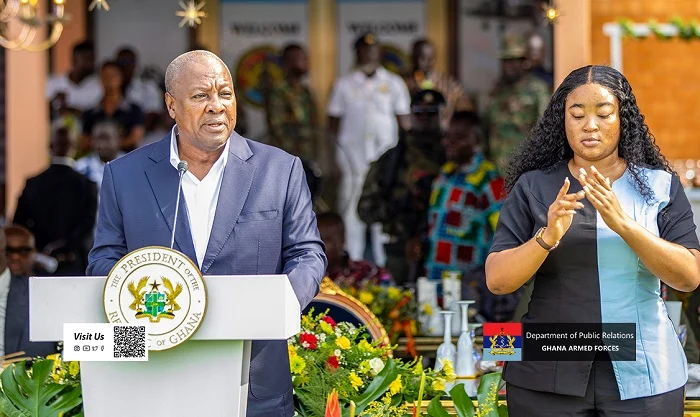
The clearance of the gratuity arrears fulfils a pledge made by HE John Dramani Mahama, President and Commander in Chief of the Ghana Armed Forces. During the commissioning of cadet officers earlier this year, President Mahama assured the military that his administration would address long standing welfare concerns, including unpaid gratuity arrears.
Military sources say the approval demonstrates government’s commitment to honouring promises made to the armed forces and reinforcing morale within the ranks. For many retirees, the development represents long awaited recognition of their service and sacrifice to the nation.
Appreciation from Military High Command
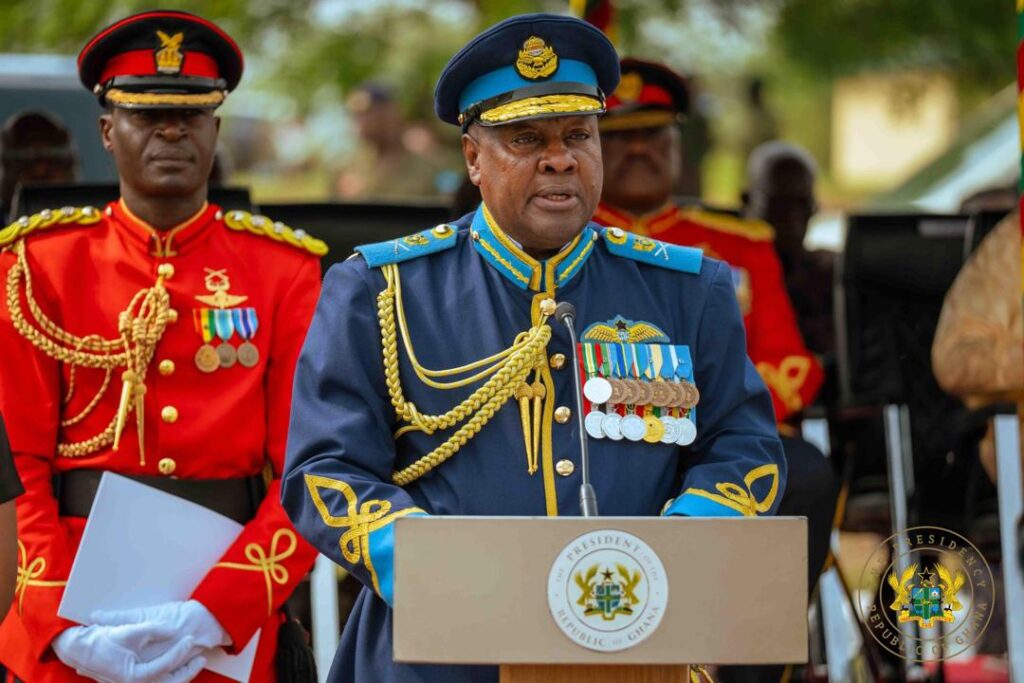
The Military High Command has expressed appreciation to government for supporting the resolution of the gratuity matter. In the statement signed by Captain Veronica Adzo Arhin, Acting Director General of Public Relations for the Ghana Armed Forces, the High Command described the approval as a significant step toward safeguarding the welfare of both retired and serving personnel.
Officials say resolving the CI 129 impasse strengthens trust between the armed forces and the state, while also setting a positive precedent for addressing institutional challenges through dialogue and cooperation.
Beyond the gratuity payments, President Mahama has also announced additional welfare measures aimed at improving conditions for active service members.
These include the introduction of a new salary scale for Ghana Armed Forces personnel, scheduled to take effect in March 2026. Back pay covering January and February 2026 will be included, providing immediate financial relief for soldiers and officers.
The President has further pledged long term investments in military welfare, including the construction of 10,000 housing units for personnel over the next five years. The housing initiative is intended to ease accommodation challenges faced by service members and their families.
In addition, government has committed to acquiring new military equipment, including helicopters, to enhance operational capacity and improve national security readiness. These measures, officials say, form part of a broader agenda to modernize the armed forces and improve living and working conditions for personnel.
Significance for Retired Personnel
For retired officers and soldiers affected by the gratuity delays, the announcement brings closure to years of uncertainty. Many had expressed concern that the revised gratuity formula would remain unenforced, undermining confidence in retirement planning within the military.
With a clear payment schedule now in place, beneficiaries can better plan their finances, while serving personnel gain assurance that their retirement benefits will be honoured as provided by law.
Analysts note that resolving the CI 129 issue has implications beyond individual welfare. It reinforces institutional stability within the Ghana Armed Forces and signals government’s willingness to confront inherited challenges head-on.
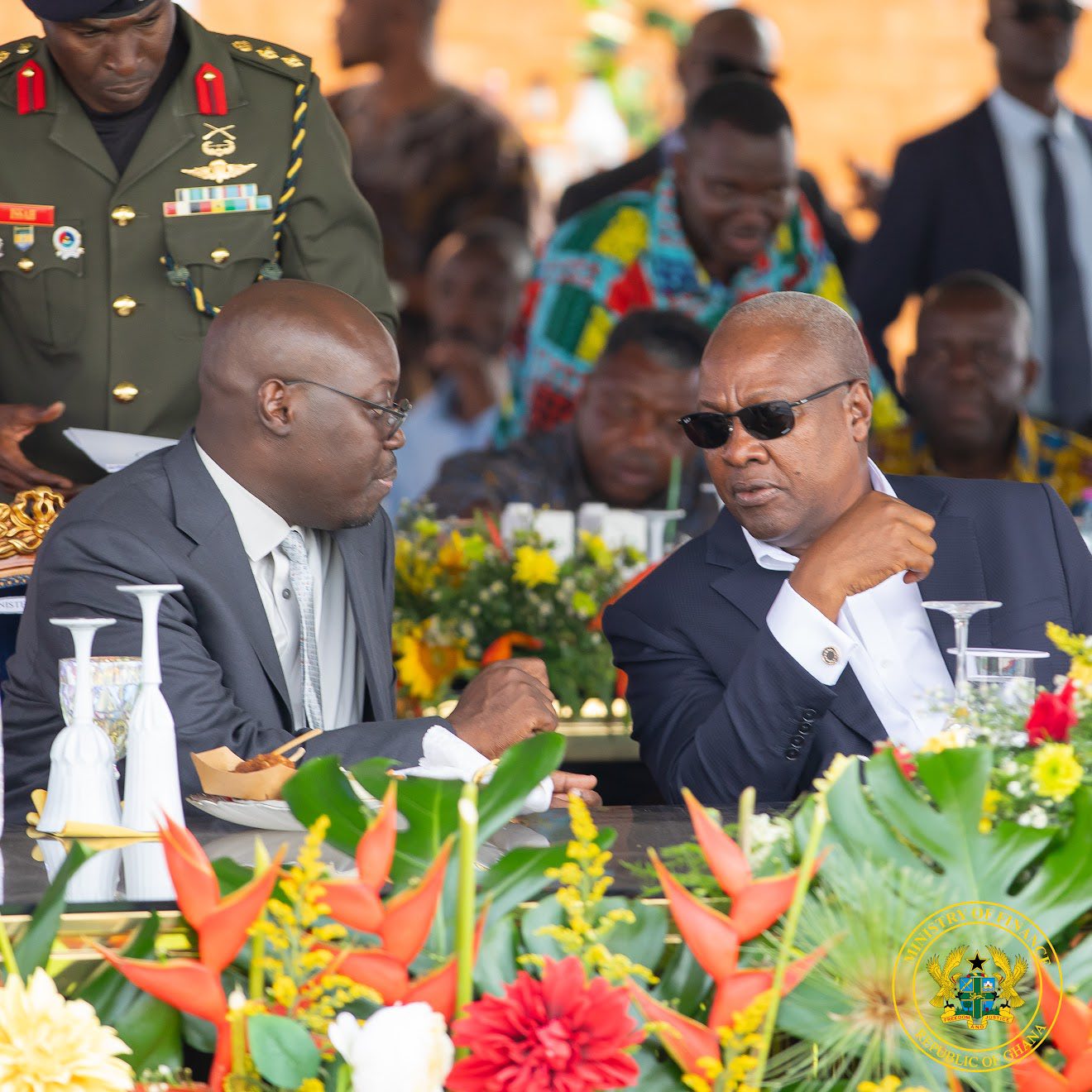
By addressing a long-standing grievance, the administration strengthens morale and reinforces the social contract between the state and those tasked with defending it.
As payments begin later this month, attention will turn to the timely execution of the remaining instalments. Military authorities say they will continue to work closely with government agencies to ensure the roadmap is implemented as planned and without further delays.
READ ALSO: Analyst Sees Operational Obstacles For Board Of Peace