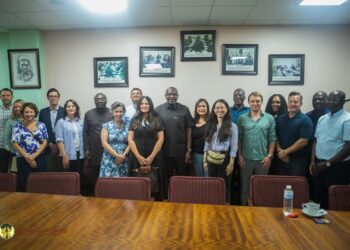
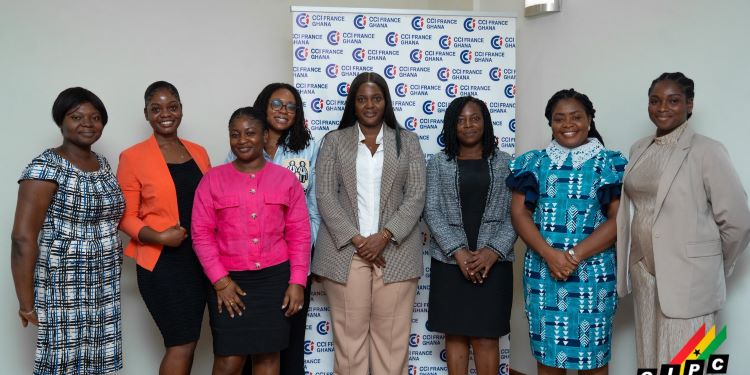
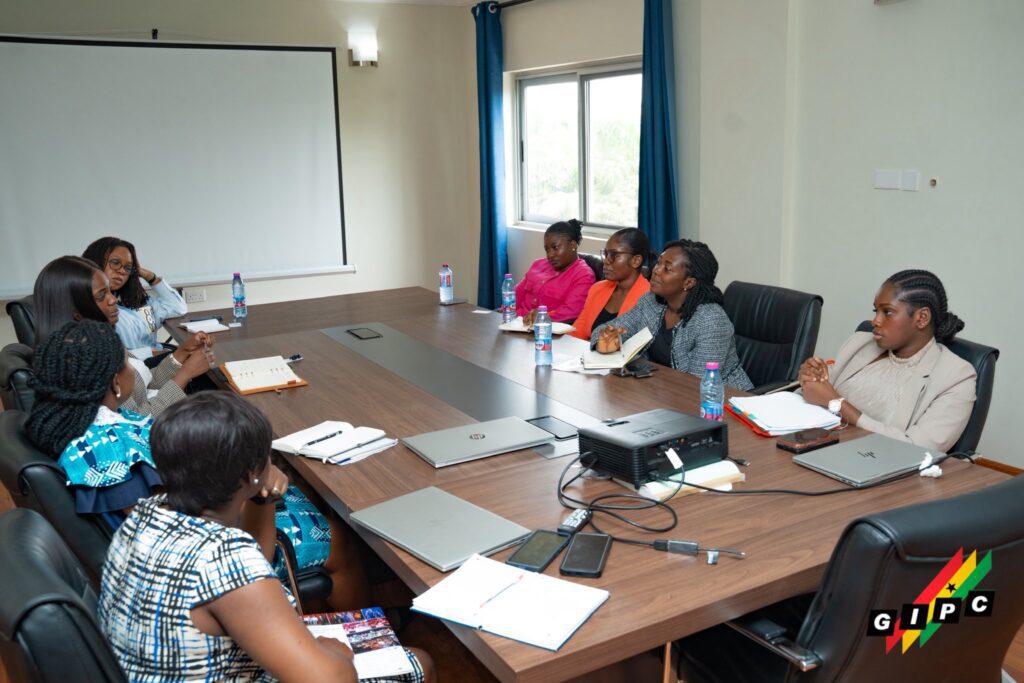
In a strategic move to fortify and stabilize foreign direct investment, the Ghana Investment Promotion Centre (GIPC) has conducted a high-level engagement with the French Chamber of Commerce and Industry in Ghana (CCIFG).
According to the Centre, the meeting was designed to formally introduce its newly prioritized Aftercare and Investor Grievances Division. This shift in strategy marks a transition for the Administration, moving from purely attracting new capital to ensuring the long-term sustainability and expansion of existing French investments within the country.
“A team from the Ghana Investment Promotion Centre engaged with the French Chamber of Commerce and Industry in Ghana to deepen collaboration in supporting French investors in Ghana”
Ghana Investment Promotion Centre
The dialogue between the GIPC and the CCIFG leadership, including the newly elected President Guillaume Valence, underscored the importance of the French business community in Ghana’s Industrialization agenda.
By addressing the “pain points,” of operational businesses, the state is positioning itself not just as a destination for entry, but as a partner for growth. This proactive approach is essential in a year where regional competition for capital has intensified, making investor “aftercare” a critical pillar of national competitiveness.
At the heart of the discussion was the operationalization of the Aftercare and Investor Grievances Division. Historically, investment promotion agencies have focused heavily on the initial “handshake” and registration of companies.
However, under the 2026 industrial framework, the Administration has identified that the greatest potential for economic growth lies in the expansion of firms already on the ground, with the Aftercare Division acting as a specialized ombudsman, tasked with navigating the bureaucratic hurdles that can stifle business operations.
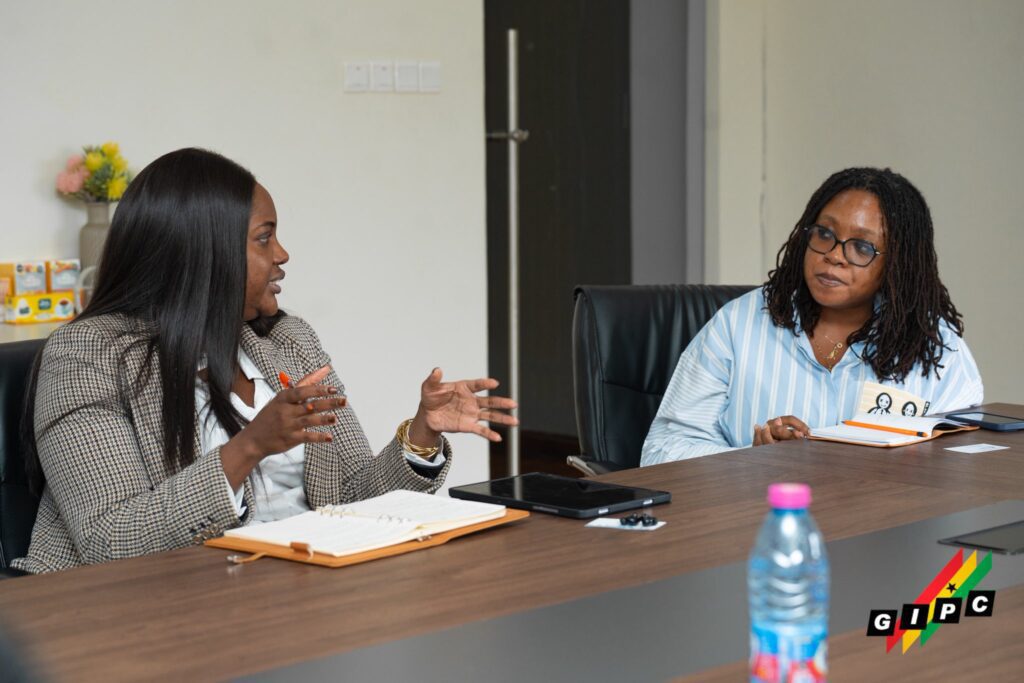
The GIPC team detailed how this division will function as a “single-window for problem-solving.”
Whether a French firm is facing challenges with customs delays, regulatory overlaps, or utility inconsistencies, the Aftercare Division is mandated to intervene. This system is designed to provide “Investor Certainty,” – the assurance that grievances will be heard and resolved through structured, transparent channels rather than ad-hoc negotiations.
Regulatory and Operational Challenges
The French delegation raised several critical issues regarding the current business environment, focusing on the need for a more predictable regulatory landscape. Both parties explored ways to streamline the “cost of doing business,” which remains a central concern for the Administration.
“Among issues discussed were ways to enhance investor retention, address regulatory and operational challenges, and establish structured, sector-focused dialogue platforms, beginning with a proposed manufacturing roundtable”
Ghana Investment Promotion Centre
Discussions focused on enhancing transparency in tax administration and ensuring that the implementation of local content laws supports, rather than hinders, international partnership.
The CCIFG emphasized that for French companies to fully commit to the 24-Hour Economy, they require seamless coordination between various state agencies. The GIPC reaffirmed its commitment to acting as the “lead coordinator,” in this regard.
By addressing these operational hurdles collectively, Ghana is working to ensure that French capital remains anchored in the local economy, preventing capital flight to neighboring markets that may offer lower regulatory barriers but less political stability.
A significant outcome of the meeting was the proposal to establish structured, sector-focused dialogue platforms, with the first of these being a Manufacturing Roundtable – specifically designed to bring together French industrialists and Ghanaian policy-makers.
This platform will serve as a laboratory for industrial policy, allowing French firms in sectors like food processing, pharmaceuticals, and heavy machinery to provide direct input into the laws that govern them.
The manufacturing sector is a top priority for the Administration’s 2026 goals. By fostering a dedicated roundtable, the GIPC and CCIFG are creating a mechanism for “co-creation.”
This ensures that the technical expertise of French manufacturers is utilized to refine Ghana’s industrial standards, making local products more competitive in the African Continental Free Trade Area (AfCFTA). This collaboration is expected to spark new joint ventures between French multinationals and indigenous Ghanaian enterprises.
“Both institutions reaffirmed their commitment to coordinated issue resolution, improved communication channels, and strengthening Ghana’s competitiveness within the region”
Ghana Investment Promotion Centre
Strengthening Competitiveness
The engagement concluded with a shared vision for Ghana as the preferred hub for French business in West Africa. As French companies increasingly look to diversify their supply chains away from more volatile regions, Ghana’s stable democratic track record and the Administration’s focus on Industrialization provide a compelling case for regional headquarters.
The GIPC’s Aftercare Division is the “secret weapon” in this competition, offering a level of support that many regional peers have yet to institutionalize.
The commitment to improved communication channels means that the CCIFG will now have a direct line to the GIPC’s decision-makers. This “Direct Access,” model is intended to eliminate the information asymmetry that often leads to investor frustration.
By keeping French investors informed of upcoming policy changes and involving them in the consultation process, the state is building a high-trust environment that encourages long-term capital commitment and technology transfer.
The 2026 fiscal year is a pivotal one for Ghana’s recovery, and the retention of foreign capital is non-negotiable. The partnership between the GIPC and the CCIFG signals to the global market that Ghana is “open for business,” in a much more sophisticated way than before.
It is no longer just about the quantity of investment, but the quality and longevity of the relationship between the investor and the state. Through the Aftercare and Investor Grievances Division, the Administration is delivering on its promise to protect and grow the private sector.
As French investors prepare for the upcoming manufacturing roundtable, the expectation is that this new era of coordinated issue resolution will lead to a surge in reinvestment, driving the jobs and productivity gains that are central to Ghana’s economic goals.
READ ALSO: Eduwatch Data Signals Progress in Fight Against Exam Fraud