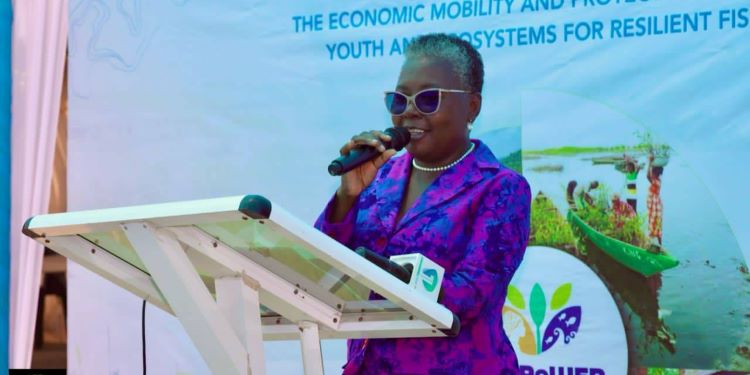
In a decisive move to secure the future of the nation’s blue economy, the Ministry of Fisheries and Aquaculture Development (MoFAD) has officially inaugurated the Economic Mobility and Protection of Women, Youth and Ecosystems for Resilient Fishers (EMPoWER) Project.
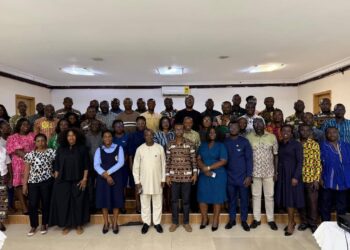
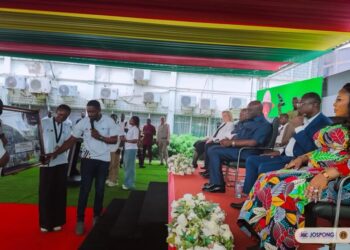
Held at the Kaikai Beach Resort in Kokrobite, this three-year initiative, running from 2026 through 2028, marks a significant shift in the approach to coastal governance. The launch ceremony brought together a powerful coalition of stakeholders, including traditional Chief Fishermen, local processors, and national policy leaders, all united by the urgency of restoring Ghana’s marine heritage.
“The project aligns strongly with the Ministry’s priorities to increase domestic fish production, strengthen governance under the Fisheries and Aquaculture Act 1146, promote financial inclusion, and protect coastal ecosystems”
Ministry of Fisheries and Aquaculture Development
The EMPoWER Project is a collaborative undertaking spearheaded by Hen Mpoano, a non-governmental leader in marine conservation, in strategic partnership with the Central and Western Fishmongers Improvement Association (CEWEFIA) and the Development Action Association (DAA).
According to MoFAD, this consortium, bolstered by the financial and technical backing of the Government of Norway, is designed to serve as a practical operational arm of the Fisheries and Aquaculture Act 1146 (2025). The project seeks to transform coastal livelihoods by integrating climate resilience, social protection, and environmental stewardship directly into the daily operations of artisanal fishing communities.
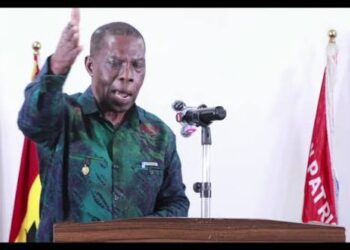
Hon. Emelia Arthur, Minister for Fisheries and Aquaculture Development, presided over the launch, emphasizing that the project is not a standalone effort but a vital complement to existing state interventions.
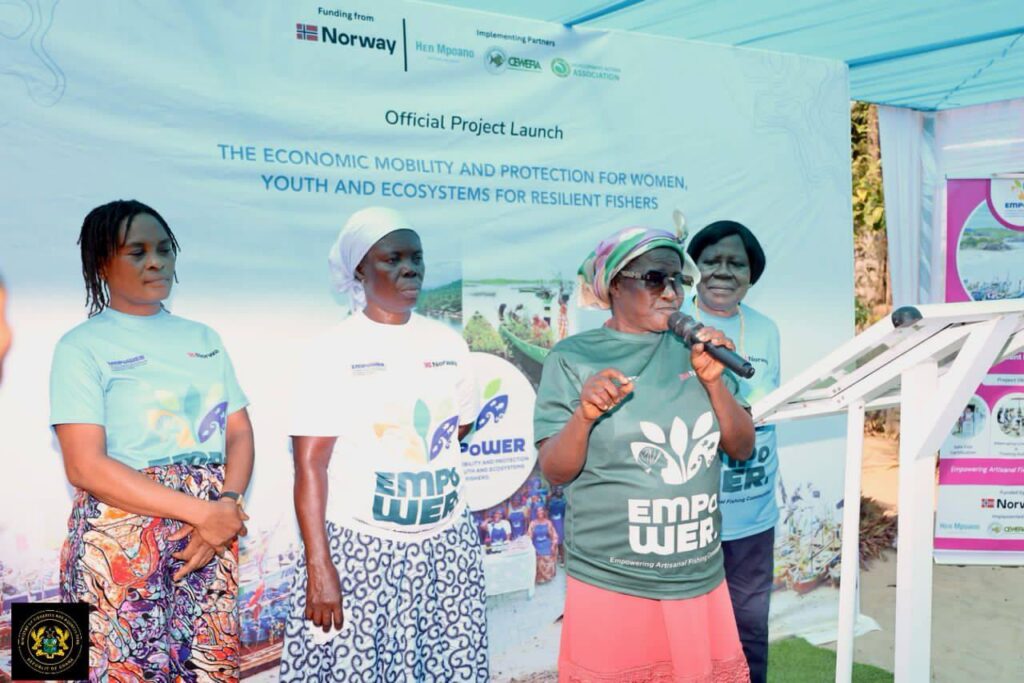
She highlighted that the initiative is specifically engineered to address the “systemic vulnerabilities faced by women and youth,” who occupy critical roles in the post-harvest sector. By focusing on financial inclusion, the project intends to move fishmongers and processors from the margins of the economy into a formal, structured, and profitable value chain.
Consequently, the scope of EMPoWER is intentionally broad, reflecting the complexity of the challenges facing Ghana’s coastline.
The implementation roadmap includes an ambitious array of activities such as aquaculture expansion, the formalization of local cooperatives, and the deployment of digital innovation to track landings and market access. Of particular importance to the Ministry is the inclusion of mangrove restoration as a nature-based solution to climate change.
For MoFAD, these ecosystems are essential not only for “carbon sequestration,” but also as vital nursery grounds that sustain the populations of small pelagic fish, which remain the primary source of affordable protein for millions of Ghanaians.
Collaborative Effort
The collaboration with the Government of Norway reinforces the project’s technical rigor. Norway’s support brings global best practices in participatory management to the Ghanaian context, ensuring that coastal communities are not merely passive recipients of policy but active stewards of their own maritime resources.
“The Minister described the initiative as a strong example of collaboration among Ghanaian civil society organisations working together to support national development priorities”
Ministry of Fisheries and Aquaculture Development
This community-driven model is essential for the effective enforcement of the Fisheries and Aquaculture Act 1146, which notably expanded the Inshore Exclusive Zone to protect artisanal breeding grounds from industrial encroachment.
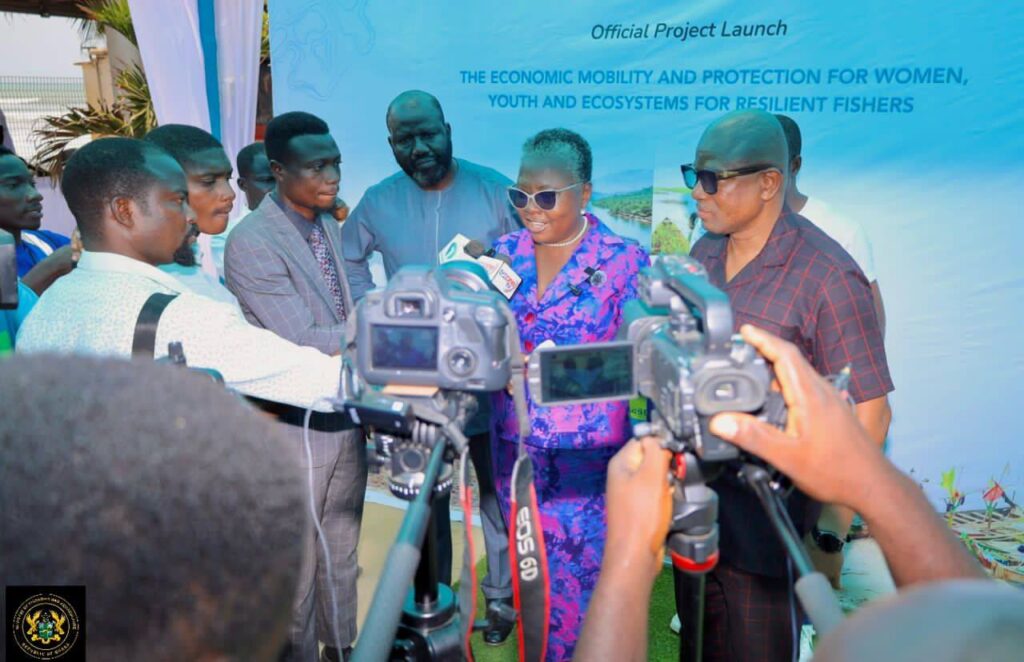
The Ministry made it clear that the success of EMPoWER will be measured by tangible results rather than policy rhetoric. The project’s indicators include measurable improvements in the quality of fish handling, an increase in the number of women-led businesses accessing formal credit, and the successful rehabilitation of degraded mangrove sites across the coastal belt.
By embedding these objectives into the daily lives of fisherfolk, the Ministry expects to catalyze a grassroots transformation that aligns with the Administration’s broader 2026 goals for the agricultural sector.
According to the Minister, the leadership of Hen Mpoano, through its extensive experience in coastal governance, is uniquely positioned to bridge the gap between national legislation and local implementation. Their track record in establishing community-led resource management frameworks provides a solid foundation for this new three-year cycle.
The project will ensure that the voice of the artisanal fisher is not just heard in the halls of Parliament, but is reflected in the day-to-day management of the oceans, as well as “help deliver meaningful and lasting impact across Ghana’s coastal communities.”
A Flagship Model
Looking ahead, the Ministry of Fisheries and Aquaculture Development views EMPoWER as a flagship model for future public-private-civil society partnerships. As it continues to operationalize the provisions of Act 1146, the focus remains on ensuring that sustainability, innovation, and equity are not mutually exclusive goals.
By empowering the youth to adopt sustainable aquaculture practices and supporting women in post-harvest technology, the project creates a pathway for a new generation of coastal entrepreneurs who are equipped to thrive in a resilient blue economy.
The launch at Kokrobite serves as a clarion call for continued investment in the sector.
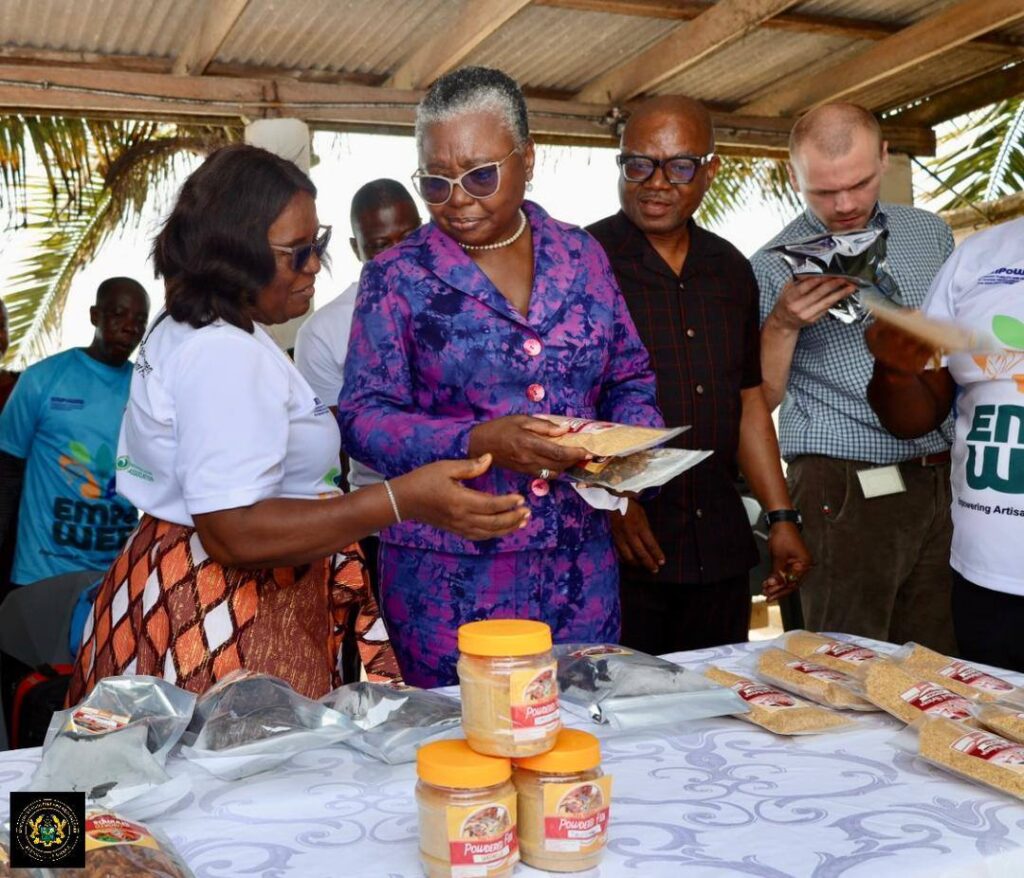
As the EMPoWER Project begins its first year of operation, the synergy between the Ministry, international partners, and grassroots associations represents a unified front against the threats of overfishing and ecosystem decline.
With rigorous monitoring and a commitment to data-driven management, the initiative is poised to set a new benchmark for ocean governance in West Africa.
The path to a revitalized fisheries sector is undoubtedly complex, yet the structural reforms initiated under the 2025 legislation, combined with the ground-level impact of the EMPoWER Project, provide a clear roadmap forward.
By prioritizing the dignity and security of the Ghanaian fisher, the Administration is securing not just a food source, but a foundational pillar of the national economy for generations to come. The work of restoration, protection, and transformation is officially underway.
READ ALSO: Sierra Leone Urges Africa to Champion Sustainable Mining at PDAC