Ghana Chamber of Mines has called for effective stakeholder consultation in the ongoing review of Stability and Development Agreements, emphasizing that while reforms are necessary, the outright abolition of these instruments could jeopardize the industry’s future.
According to the Chamber, these agreements are not merely legal formalities but essential frameworks that provide the fiscal certainty required to attract high-value, long-term investments into Ghana’s extractive sector.
By maintaining a stable regulatory environment, the Chamber argues that the state can underpin responsible growth while ensuring that the mining industry remains a cornerstone of the national economy.
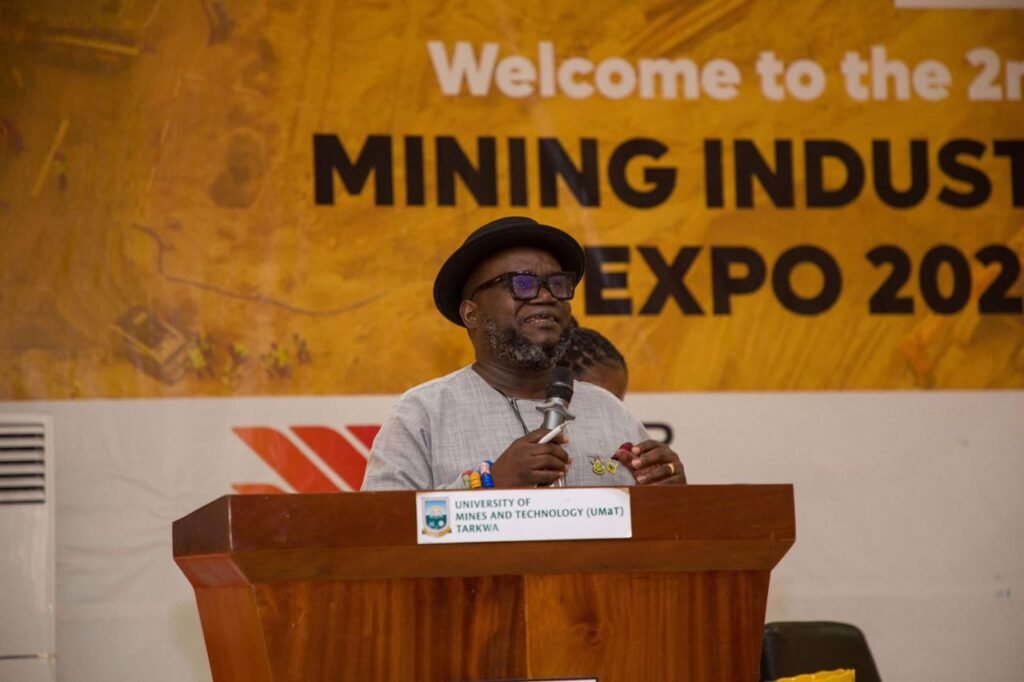
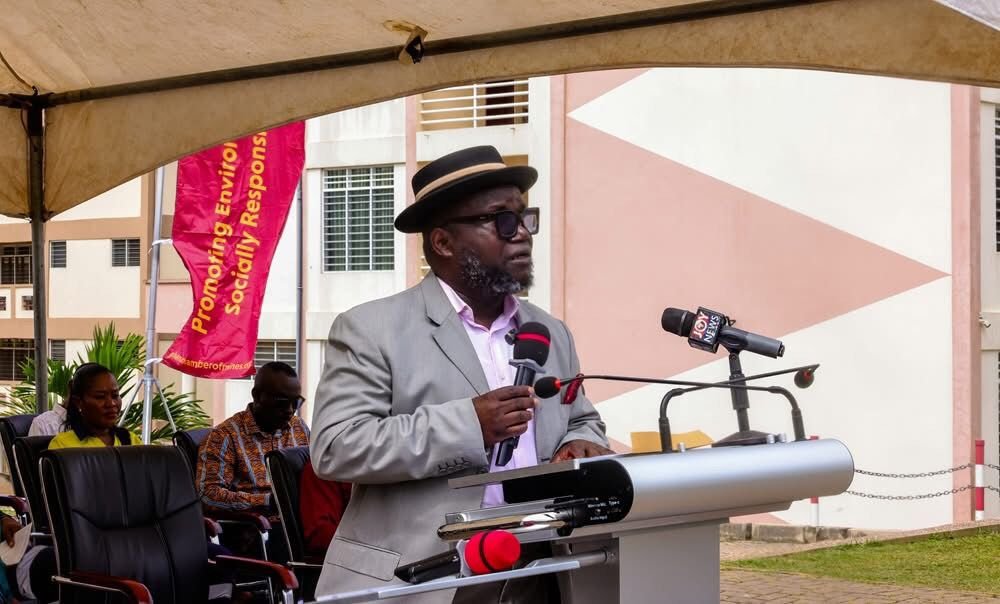
“Stakeholder consultation is one of the biggest things that you need to do, so far as these things are concerned. You see, the best thing that should happen is for the industry and then government to all be sending from the same team sheet. And one of the things that has happened so far as the revision of this law is concerned has been the stakeholder engagement that has happened, but it has to be effective.”
Ing. Kenneth Ashigbey, Chamber of Mines CEO

The call for a balanced approach comes at a critical time as the government seeks to capture a greater share of mineral revenues amidst surging global gold prices.
Industry experts note that Stability Agreements typically lock in tax and royalty terms for extended periods, providing a hedge against the volatile nature of mining cycles.
However, the Minerals Commission has recently signaled a shift toward a more flexible royalty regime, citing the need to “indigenize” more value and prevent perceived abuses of existing pacts.
In response, the Chamber of Mines asserts that meaningful stakeholder consultation is the only viable path to bridge the gap between state revenue goals and investor confidence, safeguarding Ghana’s reputation as a competitive mining destination in Africa.
Balancing Fiscal Stability and National Interest
The tension between the Ghana Chamber of Mines and the government primarily centers on the proposed transition from fixed stability pacts to a sliding-scale royalty system.
While the state, led by the Minerals Commission, aims to increase royalties potentially reaching 12% if gold prices exceed $4,500 the Chamber warns that such a drastic shift could increase the “Average Effective Tax Rate” to unsustainable levels.
By engaging in broad stakeholder dialogue, both parties can move away from unilateral decision-making and toward a “sweet spot” where the government secures increasing revenues without stalling new projects or triggering job losses.
Strengthening the Investment Climate through Dialogue

A primary benefit of effective engagement is the preservation of Ghana’s investment climate.
As Ing. Kenneth Ashigbey noted, the current Minister of Lands and Natural Resources, Hon. Emmanuel Armah-Kofi Buah, has been “very receptive in making sure that everybody’s voices are heard,” which is vital for maintaining the trust of global miners like Newmont and AngloGold Ashanti.
Effective consultation ensures that “wisdom does not reside in the head of only one person,” allowing for technical inputs that prevent the enactment of policies which might inadvertently drive capital to competing jurisdictions.
Harmonizing the “Team Sheet” for Sustainable Growth
Ultimately, the goal of these consultations is to ensure that the industry and the government are “sending from the same team sheet.”
This alignment is crucial for addressing shared challenges, such as the enforcement of mining laws and the fight against illegal mining.
When the Minerals Commission and the Chamber collaborate on policy revisions, they create a transparent and predictable framework.
This cooperative approach transforms the relationship from one of contention to a partnership focused on maximizing the “total floor of benefits” for all Ghanaians while ensuring the continued resilience of the mining sector.
READ ALSO: Amidu Slams Prempeh Over Council Of State Reforms