Ghana’s cocoa sector is facing one of its most difficult financial periods in recent years as mounting debt, legacy export contracts, and liquidity constraints place significant pressure on the country’s economy.
The situation has not only weakened the financial position of the Ghana Cocoa Board (COCOBOD) but has also created ripple effects across the agricultural value chain, affecting farmers, exporters, and government revenue.
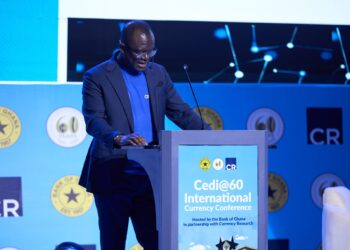
Recent disclosures by Director of Presidential Initiatives in Agriculture and Agribusiness at the Office of the President, Dr. Peter Boamah Otokunor, reveal that Ghana has incurred an estimated $941 million loss linked to legacy cocoa contracts. The losses stem largely from a pricing mismatch between cocoa purchased locally from farmers and earlier export contracts that were signed when international prices were much lower.
According to Dr. Otokunor, cocoa beans were purchased from farmers at significantly higher prices but had to be delivered to fulfill older international agreements at far lower rates.
“You are buying cocoa at $7,200 from the cocoa farmer per tonne, then you go and use it to pay a $2,600 per tonne contract. You can imagine the loss. When you do the estimations, we are losing almost about $941 million from that trade alone.”
Dr. Peter Boamah
Pricing Mismatch Drives Massive Losses
The cocoa pricing structure has become a major source of financial strain for COCOBOD. As global cocoa prices surged over the past year, Ghana was compelled to increase the price paid to farmers to prevent smuggling and sustain production.
However, a large portion of the cocoa crop had already been committed to earlier forward contracts with international buyers at prices far below current market levels. This meant that cocoa purchased at high domestic prices had to be delivered under older agreements that offered significantly lower returns.
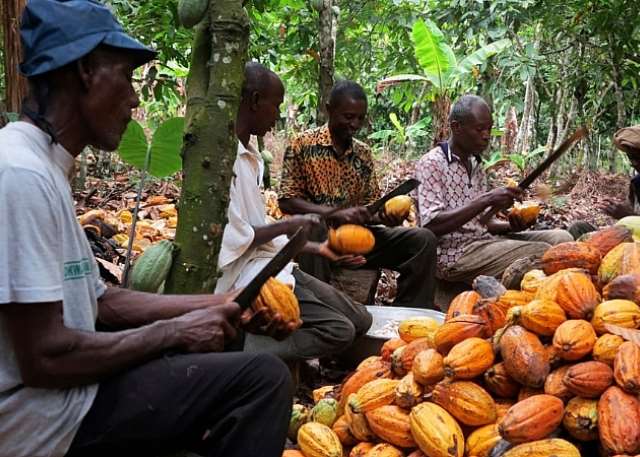
Dr. Otokunor explained that approximately 240,000 metric tonnes of cocoa were used to settle rollover contracts inherited from the previous administration. The remaining volumes were sold on international markets under less favorable conditions compared to prevailing prices.
The result has been a major financial shortfall for the regulator, placing additional pressure on an already strained sector.
COCOBOD’s Mounting Debt Burden
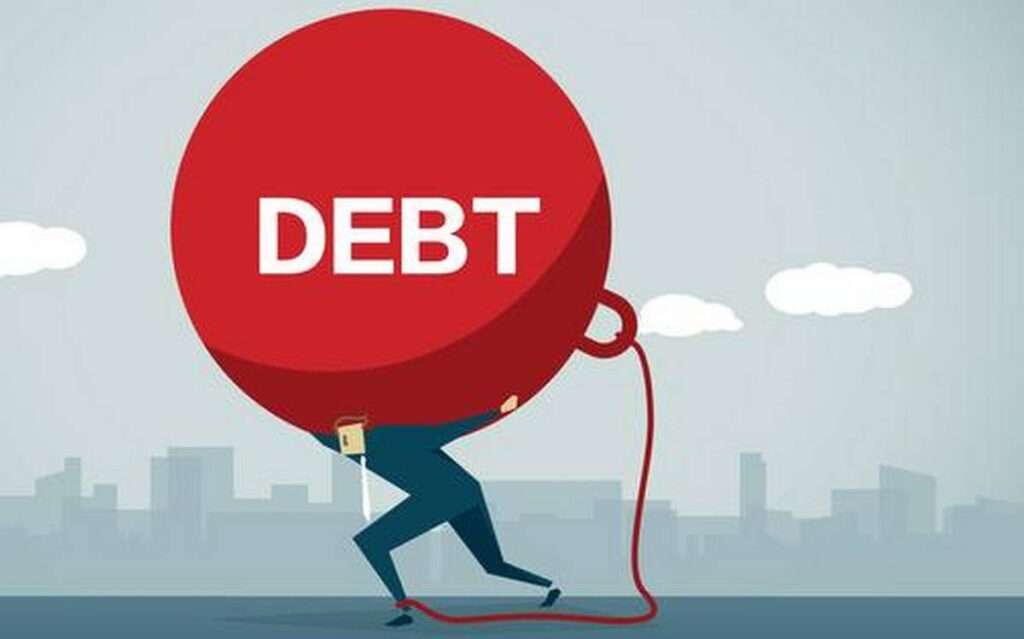
The challenges facing the cocoa sector go beyond the losses from legacy contracts. Industry data shows that COCOBOD entered the 2025/26 cocoa season with liabilities estimated at about GH¢60 billion.
These liabilities include GH¢17.8 billion in loans and an additional GH¢26.5 billion in cocoa road contracts awarded between 2014 and 2024. The debt burden has weakened the financial capacity of the regulator and reduced its ability to maintain smooth operations across the cocoa supply chain.
Another major concern has been the absence of syndicated financing for the 2024/25 and 2025/26 cocoa seasons. For more than thirty years, COCOBOD relied on syndicated loans from international banks to secure upfront funding for purchasing cocoa from farmers during the harvest season.
The absence of this financing arrangement has significantly reduced the liquidity available to support cocoa purchases and other operational activities.
Farmers Face Payment Delays
The financial strain within the cocoa sector has had direct consequences for farmers across the country. Many cocoa farmers have reported delays in receiving payments for beans supplied since November 2025.
These delays have been particularly pronounced in major cocoa producing areas such as the Western Region, where thousands of households depend heavily on cocoa farming for their livelihoods.
Delayed payments can affect farmers’ ability to maintain their farms, invest in inputs, and sustain household incomes. Industry observers warn that prolonged financial stress could discourage production and threaten Ghana’s long-term competitiveness in the global cocoa market.
The Fall Out on The Economy
The cocoa sector remains one of Ghana’s most strategic economic pillars. The industry supports approximately 800,000 farming households across 10 regions and generates close to $2 billion annually in foreign exchange earnings.
Any instability within the sector therefore has significant implications for the broader economy. Reduced export earnings, financial strain on COCOBOD, and disruptions in farmer payments could affect rural economies and government revenue streams.
The current challenges also highlight the risks associated with forward contracting strategies in volatile commodity markets. While forward contracts provide price certainty, they can become costly when market prices rise sharply after agreements have already been signed.
Government Moves to Stabilise the Sector
In response to the situation, the government has intensified engagement with cocoa farmers and industry stakeholders to explain the financial pressures facing the sector.
Authorities say efforts are underway to address liquidity constraints and restore stability within the cocoa value chain. The administration of President John Dramani Mahama has indicated that reforms are being pursued to strengthen financial management and improve the sustainability of the sector.
Dr. Otokunor emphasized that restoring stability in the cocoa industry remains a top priority given its central role in rural livelihoods and Ghana’s export economy.
He noted that the government is working to resolve the immediate financial challenges while implementing longer-term reforms that will protect the sector from similar shocks in the future.
READ ALSO: FAO and Fisheries Commission Drive Gender Transformation