
The Minister for Health, Kwabena Mintah Akandoh, has reaffirmed the government’s commitment to strengthening prevention, early detection and treatment of kidney disease as Ghana joins the global community to commemorate World Kidney Day.
Delivering a statement in Parliament, the Minister drew the attention of the House to the growing public health burden posed by kidney disease, particularly chronic kidney disease, which often develops silently and is detected only at advanced stages.
This year’s global observance is held under the theme “Kidney Health for All, Caring for People, Protecting the Planet,” highlighting the link between human health and environmental sustainability.
Kidney disease has emerged as a significant global health challenge affecting millions of people worldwide. Health experts estimate that chronic kidney disease affects roughly one in ten people globally, with many patients unaware of their condition until serious complications develop.
Mr. Akandoh noted that Ghana is also witnessing a rising burden of kidney disease, driven largely by non-communicable diseases such as hypertension and diabetes.
Other contributing factors include unhealthy lifestyles, delayed health-seeking behaviour, misuse of certain medications and exposure to environmental hazards.
Because the disease often progresses gradually without clear symptoms, many patients report to hospitals only when kidney damage has already reached advanced stages. By that point, treatment becomes more complex and costly, with limited options available to reverse the damage.

Government’s Comprehensive Response
The Government of Ghana, through the Ministry of Health (Ghana) and its agencies, is therefore adopting a comprehensive approach to addressing kidney disease.
According to the Minister, the national strategy focuses on prevention, early detection, expanded treatment services and long-term policy reforms aimed at strengthening the country’s healthcare system. A major component of the response involves strengthening primary healthcare services across the country.
The Ministry is intensifying community-level health promotion activities, including routine screening for hypertension and diabetes as well as public education campaigns encouraging healthier lifestyles. Health officials believe early detection of risk factors can significantly reduce the likelihood of kidney failure.
The Minister explained that the government’s Free Primary Health Care Initiative is a key pillar of the national response to kidney disease. By expanding access to preventive services at the community and district levels, authorities hope to identify individuals at risk much earlier and prevent avoidable complications.
The initiative also aims to reduce financial and geographical barriers that prevent people from seeking early medical care. Health experts say strengthening preventive healthcare systems is one of the most effective ways to reduce the long-term burden of chronic diseases.
Expanding Dialysis Services
In addition to preventive measures, the Ministry is also working to improve access to dialysis services across the country. Mr. Akandoh announced that the Ministry is partnering with private sector institutions to expand dialysis service delivery nationwide.
These partnerships are intended to bridge infrastructure gaps and bring treatment services closer to patients who require them. Dialysis treatment remains one of the main life-sustaining therapies for patients suffering from advanced kidney failure.
However, access to dialysis facilities remains limited in many parts of Ghana, making expansion of services a priority for health authorities. The government is also exploring broader support mechanisms for patients living with chronic conditions.

The Minister indicated that kidney disease management will be incorporated into programmes under the government’s Mahama Cares initiative. The programme is expected to provide additional support for individuals suffering from long-term illnesses and help strengthen Ghana’s social protection systems.
Officials say such initiatives are necessary to build a more compassionate healthcare system that addresses the needs of vulnerable populations.
Organ Transplant Legislation in Progress
Beyond immediate treatment measures, the Ministry is also working on new legislation to strengthen the country’s organ transplant framework. Mr. Akandoh revealed that the Ministry is currently finalising the Organ Transplant Bill for submission to Parliament.
Once passed, the legislation will establish the legal and regulatory framework needed to guide safe, ethical and well-regulated organ transplantation services in Ghana.
The proposed law will also provide safeguards to protect both donors and recipients. Health authorities believe the legislation will mark a major step forward in expanding advanced treatment options for patients with kidney failure.
As part of the World Kidney Day observance, the Minister called on the public to take proactive steps to protect their kidney health. Medical experts advise regular health screenings, particularly for individuals with hypertension, diabetes or a family history of kidney disease.
They also encourage healthy lifestyles, including balanced diets, regular exercise and responsible medication use. World Kidney Day, observed annually on the second Thursday of March, is a global campaign aimed at raising awareness about kidney health and promoting preventive care.
The 2026 campaign emphasises that protecting kidney health goes hand in hand with protecting the environment, as factors such as pollution, heat exposure and access to clean water can influence kidney disease risk.
Strengthening Ghana’s Health System
Mr. Akandoh reaffirmed the government’s commitment to strengthening prevention strategies, expanding access to treatment and improving care for patients living with kidney disease.
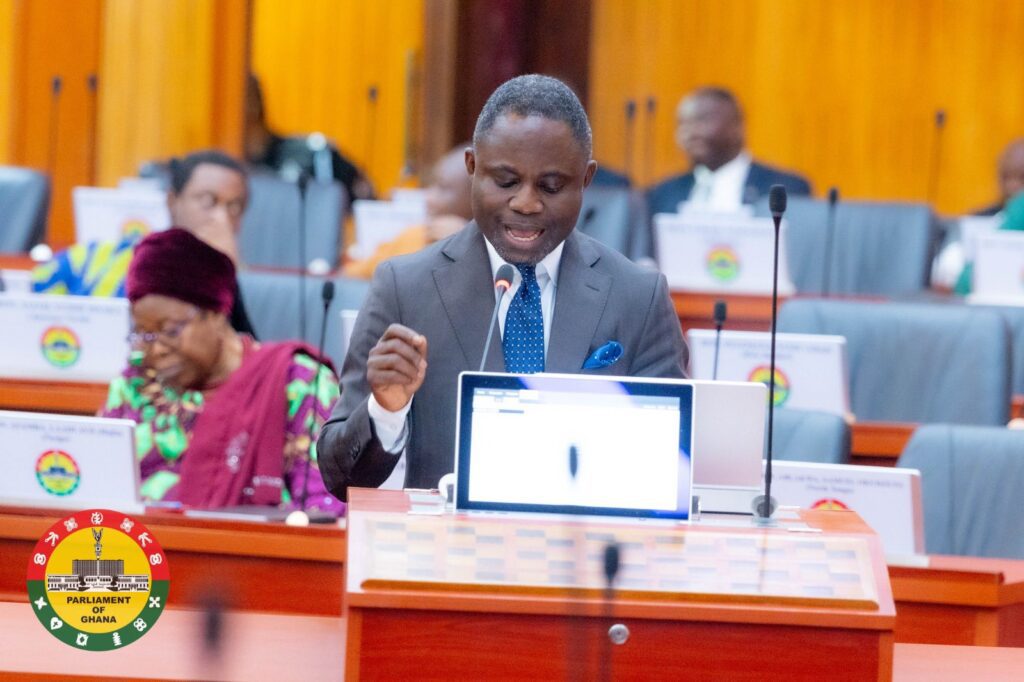
He emphasised that building a resilient health system capable of responding to chronic diseases is essential for improving the long-term wellbeing of the population.
The Minister concluded by urging stakeholders across the health sector to work together to reduce the burden of kidney disease and promote healthier lives for Ghanaians.
READ ALSO: Secondary Bond Market Weakens Despite Investor Demand