
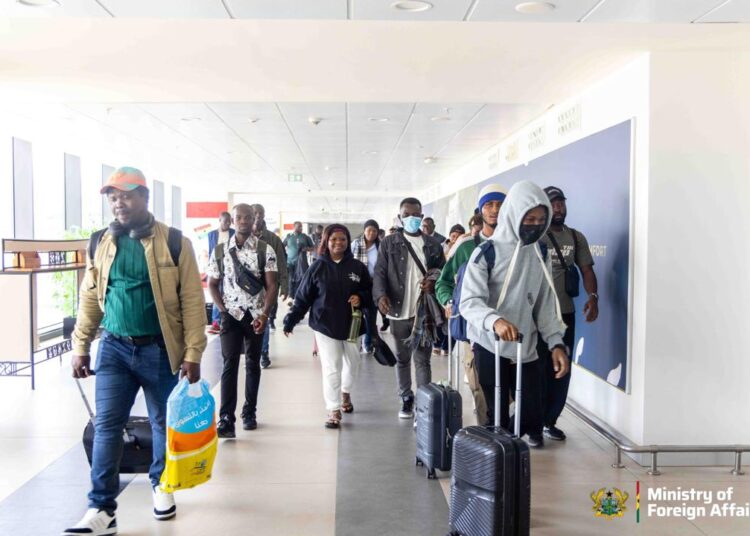
Ghana’s government has successfully completed the evacuation of its nationals from Israel, marking a significant milestone in its emergency response to escalating tensions in the Middle East.
The announcement was made by the Minister of Foreign Affairs Hon. Samuel Okudzeto Ablakwa, who confirmed that all Ghanaians who requested assistance have been safely returned home.
According to the Minister, the operation also included some diplomatic staff from Ghana’s embassy in Tel Aviv. However, a limited number of essential personnel have been retained to provide critical consular services as the situation in the region remains uncertain.
“Our evacuation operation in Israel has been a success. We have safely evacuated all Ghanaians who expressed the desire to be assisted by the Government of Ghana out of Israel back home.”
Minister of Foreign Affairs Hon. Samuel Okudzeto Ablakwa
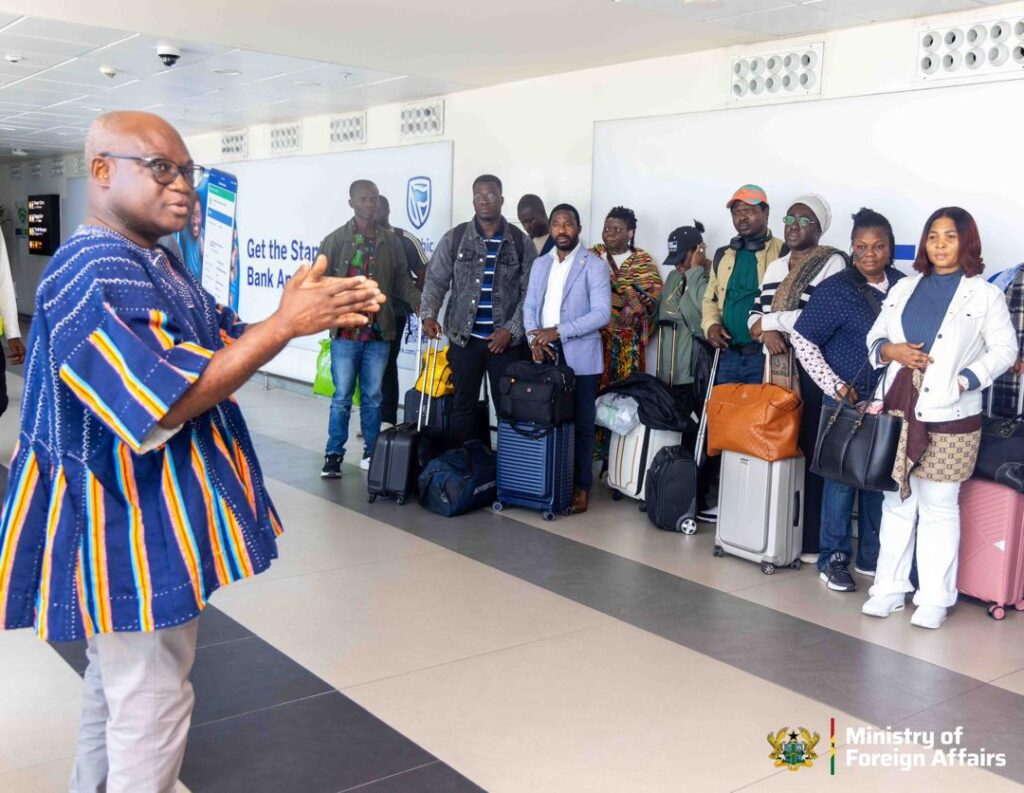
He further conveyed appreciation to both Israeli and Egyptian authorities for their cooperation in facilitating the process. The return of evacuees to Ghana was completed within hours prior to the announcement, with government officials welcoming them upon arrival.

The evacuation from Israel forms part of a wider government strategy to protect Ghanaian citizens across conflict affected regions. The crisis was triggered by escalating hostilities involving the United States, Israel, and Iran, which began with coordinated military strikes on February 28, 2026.
In response, Ghana initiated a comprehensive evacuation plan targeting not only Israel but also Iran and several Gulf states. The Ministry of Foreign Affairs has been leading the effort, coordinating logistics and diplomatic engagements to ensure the safety of citizens abroad.
In Iran, Ghana has already evacuated its embassy staff along with an initial group of nationals. These individuals were transported across land borders into Turkey, following the closure of the Ghanaian embassy in Tehran as a precautionary measure.
Authorities indicated that all remaining Ghanaian nationals in Iran, including students and professionals, are being assisted to leave the country.
Emergency Measures Across the Gulf Region
Beyond Iran and Israel, the government has extended its evacuation protocols to other parts of the Gulf region. In Qatar, Ghana’s embassy in Doha has instructed citizens to register for evacuation as part of contingency planning.
The situation remains fluid across several countries, including Bahrain, Kuwait, and the United Arab Emirates, where the impact of the conflict continues to generate uncertainty. Ghanaian authorities have emphasized the importance of preparedness, urging nationals in these areas to remain in close contact with diplomatic missions.
Despite the scale of the crisis, the government has reported no casualties or injuries among Ghanaian citizens. This outcome has been attributed to early intervention and coordinated diplomatic efforts.
While the evacuation from Israel has been declared successful, officials acknowledged that the process was complicated by the prevailing security environment. A state of emergency and border closures in Israel created logistical challenges, limiting immediate movement.
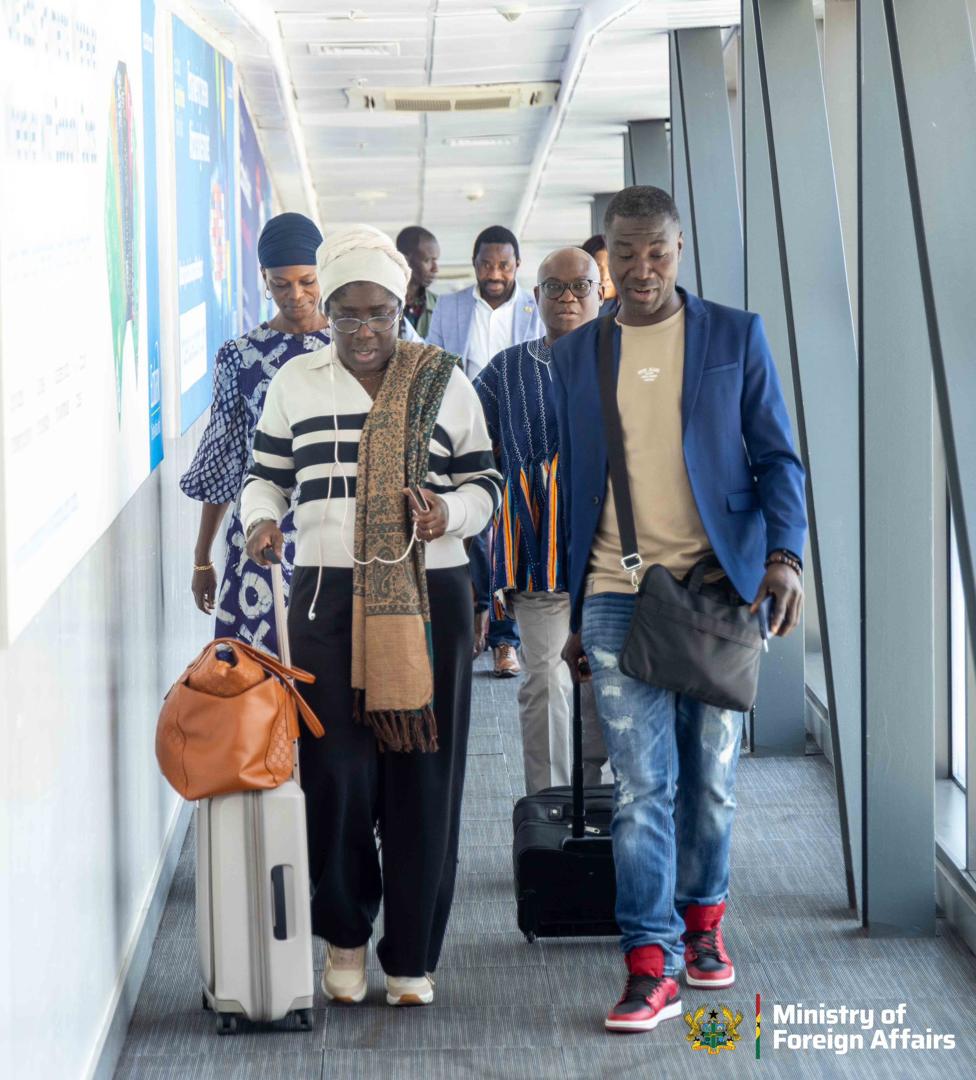
At the height of the crisis, approximately 922 Ghanaians were identified in Israel, including 65 students. The government adopted a phased approach to ensure that those willing to leave were assisted in a safe and orderly manner.
Operations at Ghana’s embassy in Tel Aviv have since been scaled down to minimal levels, with only essential services being maintained. The decision to retain a small number of diplomatic staff reflects the need to continue providing support to any nationals who may remain in the country.
Government Commitment to Citizen Welfare
The evacuation exercise underscores the government’s commitment to prioritizing the safety and welfare of its citizens abroad. Officials have reiterated that efforts will continue until all Ghanaians in affected regions are accounted for and provided with necessary assistance.
“The Mahama Administration will continue with safe evacuation efforts as we prioritize the welfare of all Ghanaians,” the Minister stated, emphasizing that the response remains ongoing.
The government has also expressed concern about the broader implications of the conflict, calling on all parties involved to exercise restraint and pursue peaceful solutions.
The success of the evacuation has been partly attributed to strong diplomatic coordination with host countries and regional partners. Ghana’s acknowledgment of Israeli and Egyptian authorities highlights the importance of international cooperation in managing crisis situations.
The Ministry of Foreign Affairs continues to engage with multiple stakeholders to facilitate safe passage for its citizens. These efforts include securing transit routes, coordinating transport logistics, and ensuring compliance with evolving security protocols.
Ongoing Monitoring and Future Steps
As tensions persist in the Middle East, Ghana remains on high alert, monitoring developments closely. The government has indicated that additional evacuation measures may be implemented depending on how the situation evolves.
For now, the focus remains on completing the evacuation of citizens from Iran and maintaining readiness in other parts of the Gulf region. Authorities have also encouraged Ghanaians abroad to stay informed through official channels and adhere to safety advisories.
The successful evacuation from Israel represents a key achievement in Ghana’s broader crisis response strategy, demonstrating the country’s capacity to protect its citizens in times of international uncertainty.