In a decisive move to secure the “industrial lifeblood,” of Ghana’s manufacturing sector, the Minister for Trade, Agribusiness and Industry, Hon. Elizabeth Ofosu-Adjare, has issued a final, uncompromising directive banning the export of non-ferrous scrap metals from April 1, 2026.
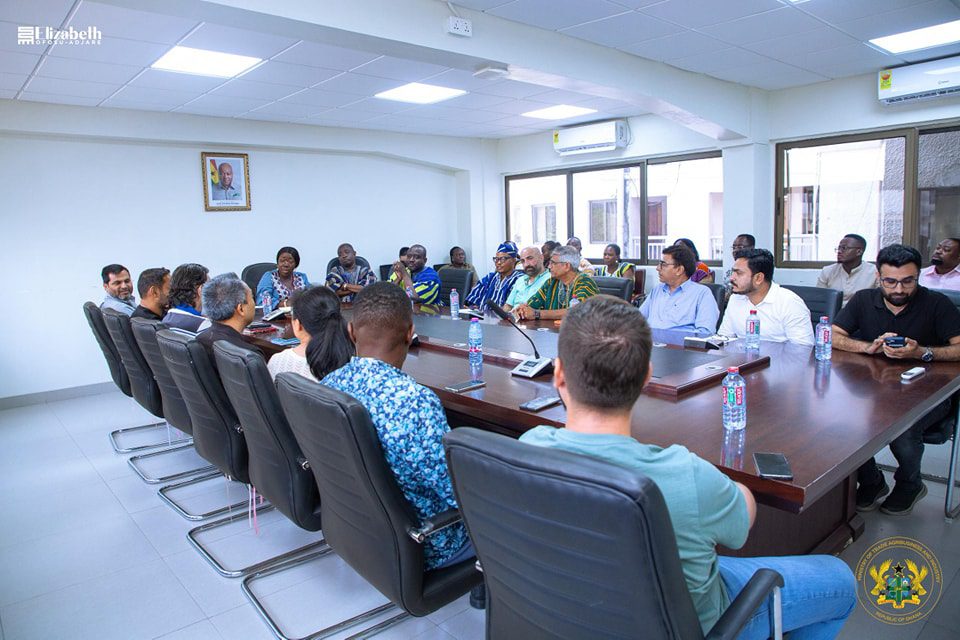
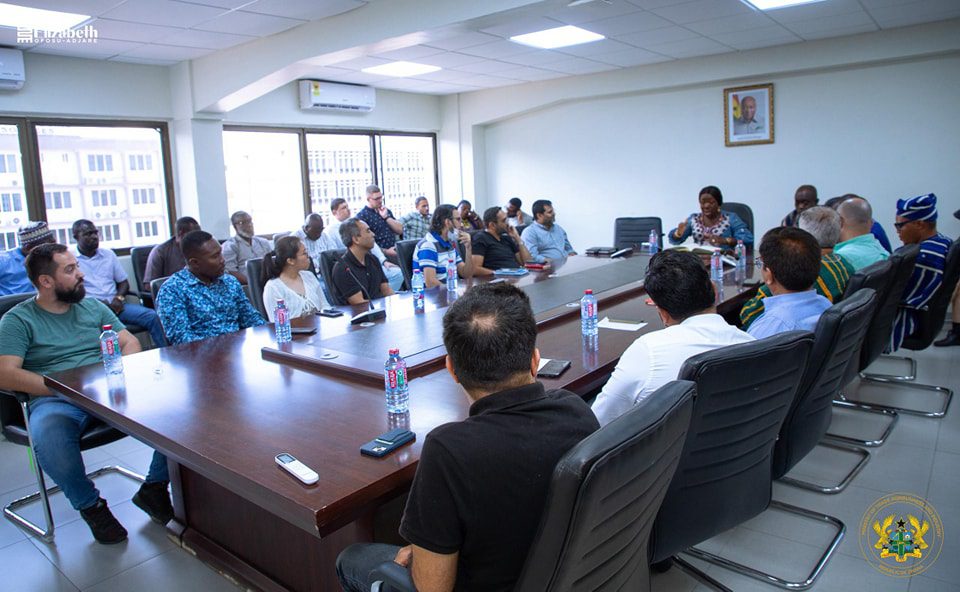
The Minister made the announcement during a high-stakes stakeholder engagement with the scrap metal industry in Accra. The meeting, which brought together importers, exporters, and dealers, served as the final diplomatic bridge before the state shifts to a zero-tolerance enforcement posture at all national ports.
“Exporters must comply fully with the Ban which will take effect from 1st April 2026. Stakeholders are advised not to attempt accessing the ports for scrap exports after April 1, as authorities will be vigilant in ensuring adherence to the directive. Strict enforcement measures have been put in place”
Hon. Elizabeth Ofosu-Adjare, Minister for Trade, Agribusiness and Industry
According to the Ministry of Trade, Agribusiness and Industry (MoTAI), this ban is a structural intervention designed to feed the Industrialization and 24-Hour Economy pillars by halting the flight of raw scrap materials.
The government is effectively “stockpiling” the feedstock necessary for local steel and metal processing plants to expand their shifts, create thousands of new jobs, and transition Ghana from an exporter of raw waste to a powerhouse of processed metal exports.
The Minister’s engagement focused on the “mechanical necessity,” of keeping scrap metals within Ghanaian borders. Under the Accelerated Export Development strategy, the goal is to add value to every ounce of metal before it leaves the country.
Hon. Ofosu-Adjare emphasized that the previous “scrap flight,” had left local industries starving for materials, forcing them to operate below capacity while foreign competitors benefited from Ghanaian raw resources.
However, now, locking the ports to raw scrap, is expected to force a market correction that favors Domestic Value Addition and trigger a surge in the production of locally manufactured spare parts, construction materials, and industrial components.
The Minister described the move as a “decisive step toward strengthening the country’s industrial base.”
Establishing a Fair Regime
A significant portion of the briefing addressed the “pricing distortion,” that has historically destabilized the scrap sector. Exporters and dealers raised concerns regarding the sustainability of their businesses under the new regulatory framework, specifically citing the risk of being underpaid by local smelters or overcharged by middlemen.
Hon. Ofosu-Adjare responded by tasking the industry players themselves to recommend an “appropriate pricing regime,” for the Ministry’s immediate consideration. This collaborative approach to pricing is to ensure that the transition from export to domestic supply is economically viable for the smallest dealers.

That notwithstanding, Hon. Ofosu-Adjare was clear: the government will not tolerate “exorbitant prices,” or predatory trade practices that threaten the livelihoods of those at the base of the scrap value chain. The Ministry noted that the government’s goal is to create a transparent, equitable trade environment with stabilized prices of raw materials.
As the April 1 deadline approaches, the Ministry has coordinated with the Ghana Ports and Harbours Authority (GPHA) and the Customs Division to ensure a total lockdown on non-ferrous scrap exports.
The Minister’s explicit warning to anyone attempting to circumvent the ban through mislabeling or unauthorized port access was anchored with facing the full rigors of the law. This vigilance is part of a broader national policy on feeding local industries, where the state’s enforcement agencies are now aligned with its economic development goals.
The engagement thus served as the last call for exporters to pivot their business models toward domestic supply or processed exports, with the Minister’s advisory to avoid the ports after April 1 being a pragmatic signal that the grace period for raw material flight has officially ended.
MoTAI is moving from a posture of negotiation to one of active protection, ensuring that Ghana’s industrial assets are used to build Ghanaian prosperity. The April 1 Scrap Export Ban represents the hard edge of Ghana’s industrial transformation and under Hon. Elizabeth Ofosu-Adjare, the Ministry will take bold, protectionist measures to secure the nation’s future.
Hon. Ofosu-Adjare pointed out that by turning the “waste” of yesterday into the “feedstock” of tomorrow, the government is laying the groundwork for a self-sufficient industrial sector that no longer relies on the whims of global commodity traders.
As the industry prepares for the April transition, the focus shifts to the local processing plants that are now expected to scale up production. The success of this ban will be measured by the number of new jobs created in the metal sector and the volume of processed metal products that reach the continental market under the AfCFTA.
The ports may be closing to scrap, but they are opening wider than ever to the value-added exports that will define the 2026 economy.