United States is set to grab its share of Africa’s critical Mineral as Atlantic Lithium Ltd. clinched parliamentary ratification for its Ewoyaa Lithium Project in Ghana which marked a historic pivot in the global race for battery minerals.
This milestone establishes the country’s first-ever lithium mine and positions West Africa as a strategic corridor for the United States to secure critical supply chains.
By greenlighting the 15-year lease, Ghana is effectively launching Africa’s only lithium venture dedicated to the U.S. market, a move that directly challenges the multi-billion-dollar dominance Beijing has established across Zimbabwe and Mali.
The Australian-backed miner successfully navigated a three-year regulatory deadlock to secure terms that balance investor attractiveness with national interest.
Under the newly ratified framework, the Ewoyaa project will operate on a sliding-scale royalty system, replacing the rigid 10% flat rate previously proposed by the Ghanaian government.
These tiered royalties are tied to the spot prices of spodumene concentrate, ensuring the state captures higher windfalls during market peaks reaching up to 12% when prices exceed $3,200/ton while protecting the mine’s viability with a 5% floor during price slumps below $1,500/ton.
“Parliamentary ratification marks a watershed moment for both Ghana and Atlantic Lithium as we move toward a final investment decision. We are delighted to have the full support of the government as we work towards achieving first production of spodumene, which will be instrumental in serving the growing electric vehicle market.”
Atlantic Lithium CEO Keith Muller
Strategic Decoupling from Chinese Hegemony
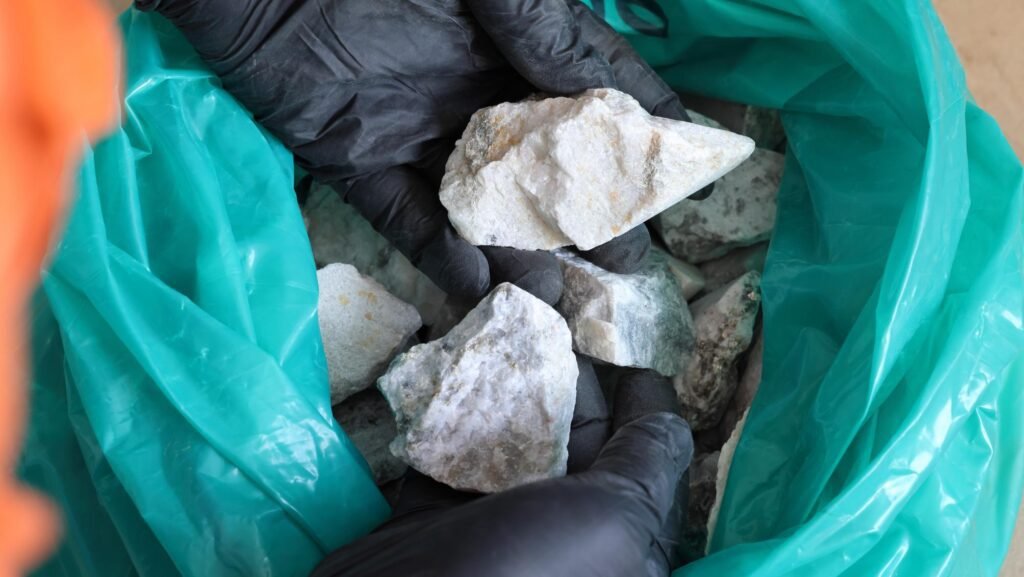
The Ewoyaa mine stands as a geopolitical outlier in a landscape where Chinese firms have traditionally held a “grip on the critical minerals” required for the green energy transition.
While other regional projects rely heavily on Chinese capital and offtake, half of Ewoyaa’s total output is already committed to Elevra Lithium the entity formed by the merger of Piedmont Lithium and Sayona Mining which maintains high-profile supply agreements with Tesla and LGChem.
This Western-aligned structure aligns with the current U.S. administration’s mandate to shore up domestic access to minerals and reduce reliance on Chinese supply chains.
Economic Transformation and Local Participation

Beyond its global implications, the project is set to catalyze a significant “economic revival” within Ghana’s Central Region. The agreement ensures the Ghanaian government maintains a 13% free-carried interest, allowing the state to benefit from production without the burden of upfront capital expenditure.
Furthermore, the project has already attracted $16.4 million in funding from local institutional investors, including Ghanaian pension funds.
This domestic participation not only validates the project’s long-term potential but also integrates the Ghanaian financial sector into the global battery value chain, diversifying the nation’s mineral portfolio away from its traditional reliance on gold.
Sustainable Growth Through Value Addition
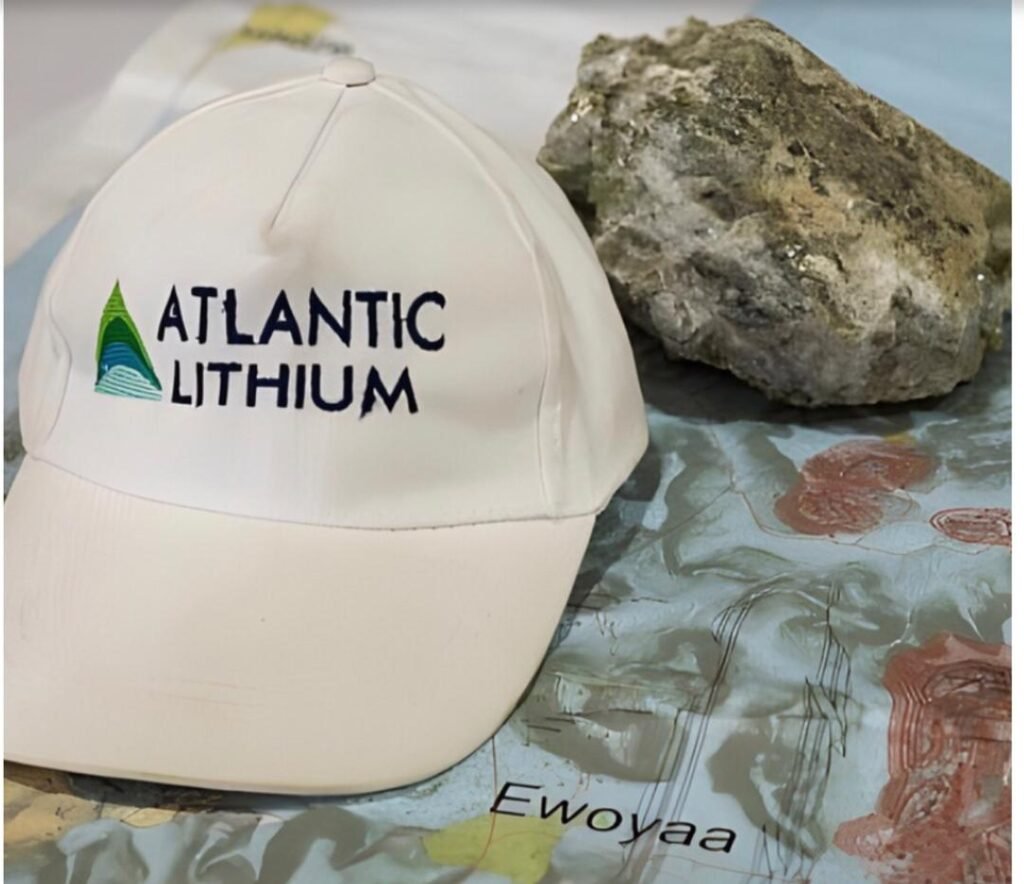
Ghana’s entry into the lithium market is accompanied by a broader commitment to “in-country value addition” and local content obligations.
By establishing a processing plant alongside the mine, Atlantic Lithium aims to produce 3.6 million tonnes of spodumene concentrate over a 12-year life cycle.
This approach is intended to maximize the socioeconomic benefits for catchment communities through job creation and the stimulation of local businesses.
With the lease now ratified, the company is moving toward a final investment decision (FID), signaling that Ghana is ready to transition from a legendary gold producer to a pivotal player in the electric vehicle revolution.
READ ALSO: Deloitte Maps Ghana’s Post-Crisis Fiscal Overhaul